
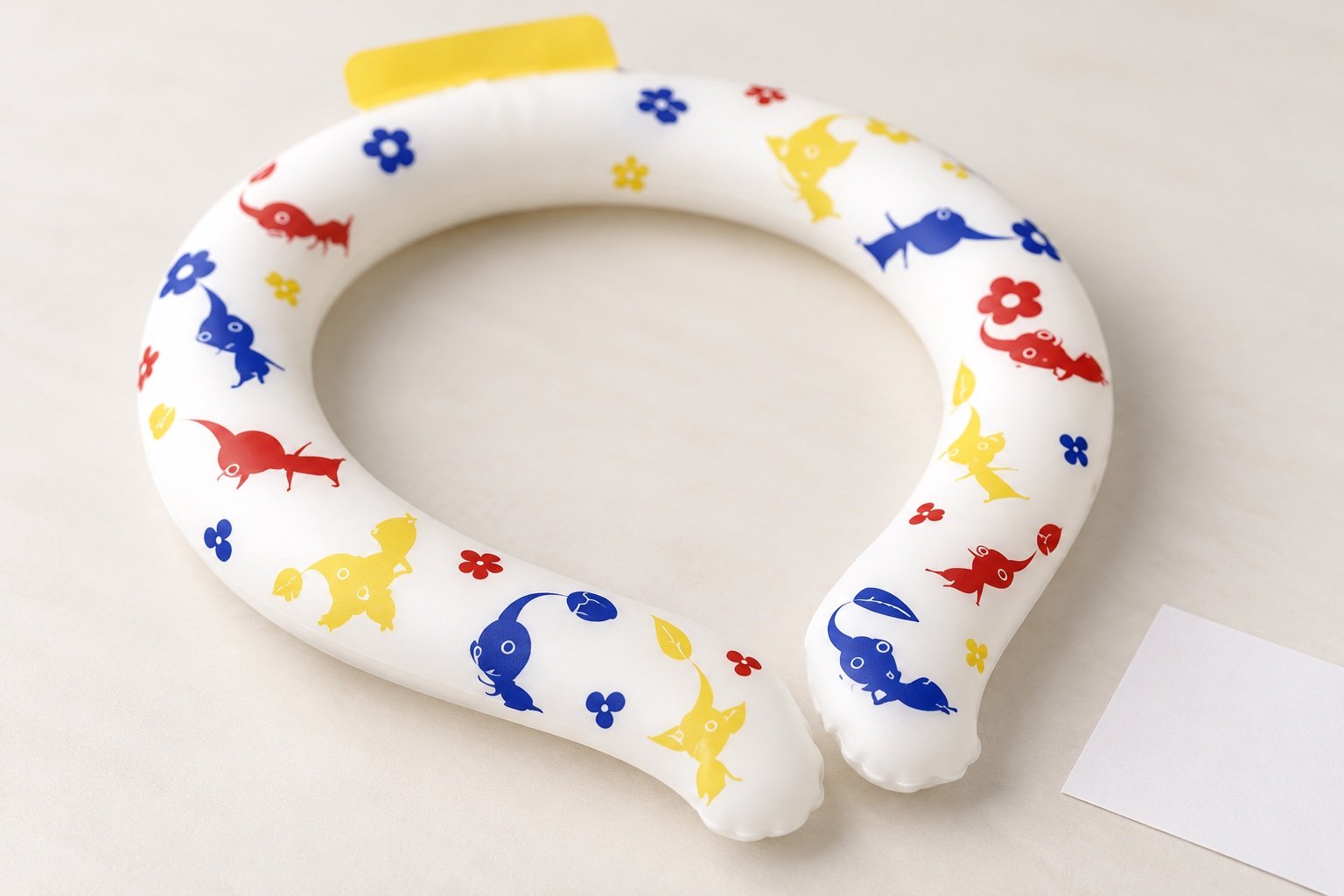
Choosing a custom ice pack printing method is not simply a design decision. The method must work with the pouch material, sealing route, artwork, order volume, handling conditions, and approval process. A low-cost print that scuffs, distorts near a seal, or changes between production runs can create rework and delay a launch.
For most B2B projects, the practical choice is made by comparing screen printing, flexographic printing, gravure, digital printing, and separate labels or printed packaging. No method is automatically “best.” The right option is the one that can reproduce the approved artwork consistently on the selected construction at the planned order quantity.
Buyer takeaway: Define the product and artwork first, then ask the supplier to recommend a validated print route. Approve the result on the actual production material—not only on a PDF proof.
On this page
Quick comparison of custom ice pack printing methods
| Method | Usually fits | Main strengths | Important buyer checks |
|---|---|---|---|
| Screen printing | Simple logos, spot colors, limited artwork area, prototypes or moderate runs | Direct color application and practical setup for straightforward graphics | Ink adhesion, curing, screen count, color reference, edge definition and position |
| Flexographic printing | Repeated artwork on roll film and medium-to-large production programs | Efficient roll-to-roll production and repeatable multi-color layouts | Plate and setup cost, film treatment, registration, white ink, seal-zone control and repeat-order color |
| Rotogravure printing | Complex graphics and long, repeat production runs | Fine detail and stable reproduction when the full process is controlled | Cylinder investment, minimum economic run, proofing, color standards and artwork-change cost |
| Digital printing | Short runs, multiple versions, variable graphics or fast design iteration | No conventional plate or cylinder and easier version changes | Film compatibility, available colors, abrasion resistance, unit economics and sealing compatibility |
| Labels or printed secondary packaging | Very small launches, regulated copy that may change, or products that are difficult to print directly | Flexible versioning without changing the pouch print | Adhesion, condensation, freezer exposure, barcode readability, label placement and retail presentation |
These are sourcing patterns, not universal rules. Equipment, ink systems, film structure and subcontracting arrangements vary. Ask the manufacturer to identify the exact process proposed for your SKU and to separate tooling, setup and unit charges in the quotation. Our guide to custom ice pack printing cost factors explains how those commercial inputs affect the quote.
Screen printing: useful for focused logos and spot colors
Screen printing transfers ink through a prepared stencil. It is often a practical choice when an ice pack needs a clear logo, short text, or a small number of spot colors. Each color generally adds a separate screen and setup step, so a simple one- or two-color mark is easier to control than a photographic design.
The quality of the screen, stencil, ink, curing conditions and substrate preparation all matter. PRINTING United Alliance’s technical guidance notes that screen quality and stencil selection affect how faithfully artwork is reproduced. For formal four-color screen-process control, ISO 12647-5:2015 covers stages such as data preparation, proofing, printing-form preparation and production printing. Referencing a standard does not prove that a supplier or SKU conforms to it; conformity and any applicable test evidence must be confirmed for the project.
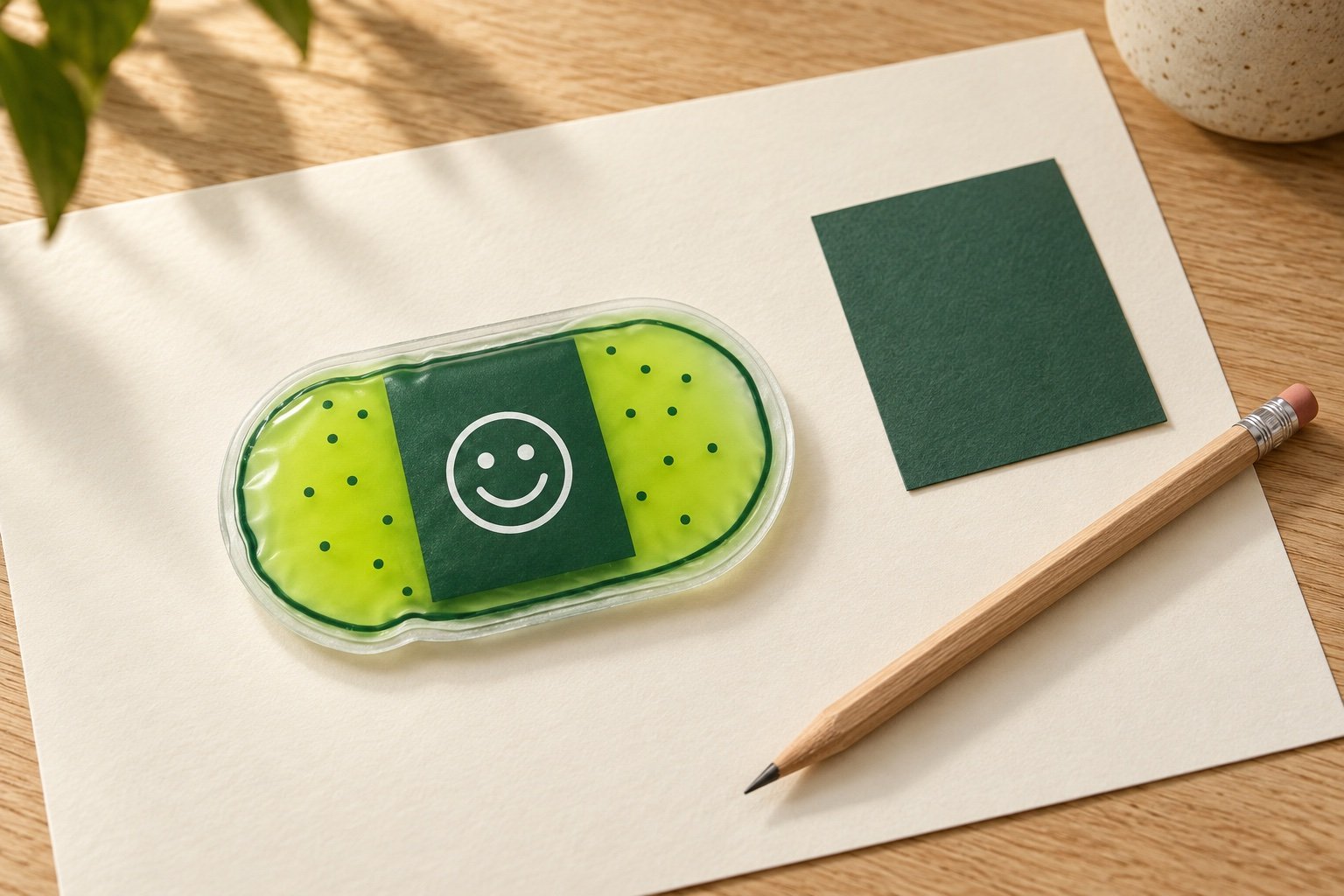
Screen printing may become less attractive when the artwork contains gradients, many colors, very fine text, or frequent design versions. Buyers should also confirm whether ink is printed before or after forming and sealing, because handling and heat exposure can affect the approved process.
Flexographic printing: built for repeated roll-film artwork
Flexographic printing uses flexible relief plates and is widely associated with packaging and flexible materials. It can suit branded film that will be converted into repeated pouches, especially when the order program justifies plate preparation and press setup. The current ISO 12647-6:2020 addresses the exchange of data, color aims and process parameters for flexographic printing used in packaging and other applications.
For an ice pack buyer, the practical questions are more specific than the process name:
- Will printing be on the outer surface or reverse-printed within a laminate?
- Is the white base printed, supplied by the film, or created by another layer?
- How close can artwork safely approach the seal and cut lines?
- How are plate versions, color references and approved press settings controlled?
- What happens to plate ownership and storage when artwork changes?
Flexographic printing can be commercially efficient for repeat volume, but plate, color and setup charges should be evaluated over the expected program—not only the first purchase order.
Gravure and digital printing: two different volume strategies
Rotogravure for long-run reproduction
Rotogravure uses engraved cylinders. It can deliver detailed, repeatable graphics across long runs, but cylinder preparation makes changes more expensive. The method is usually considered when artwork complexity and repeat volume justify the upfront investment. Confirm cylinder ownership, storage, service life assumptions and the cost of changing one color or legal text.
Digital printing for versions and shorter runs
Digital printing avoids conventional plates or cylinders, making it useful for smaller launches, multiple language versions, promotional variations or artwork testing. Its feasibility depends on the printer, ink set, film treatment, pouch conversion process and required durability. A digital sample on one film does not automatically prove suitability on a different construction.
Some quotations use broad terms such as “full-color,” “offset,” or “machine printing.” Ask for the actual production process, printing location, ink system, proof type and approval route. This prevents two suppliers from appearing to quote the same method when their processes are materially different.
Start with the pouch construction, not the logo
Printing cannot be specified in isolation. The outer film, laminate structure, surface treatment, transparency, background color and sealing method affect adhesion and appearance. Review the PVC, TPU and laminated nylon material comparison, then confirm the exact grade and surface that will receive the ink.
Artwork should respect the seal width, fill ports, curved edges, chambers, fold lines and likely product distortion after filling. A flat dieline can look different after gel is added. For shaped or segmented packs, request a filled sample that shows the logo in the final three-dimensional condition.
Define print durability around real handling
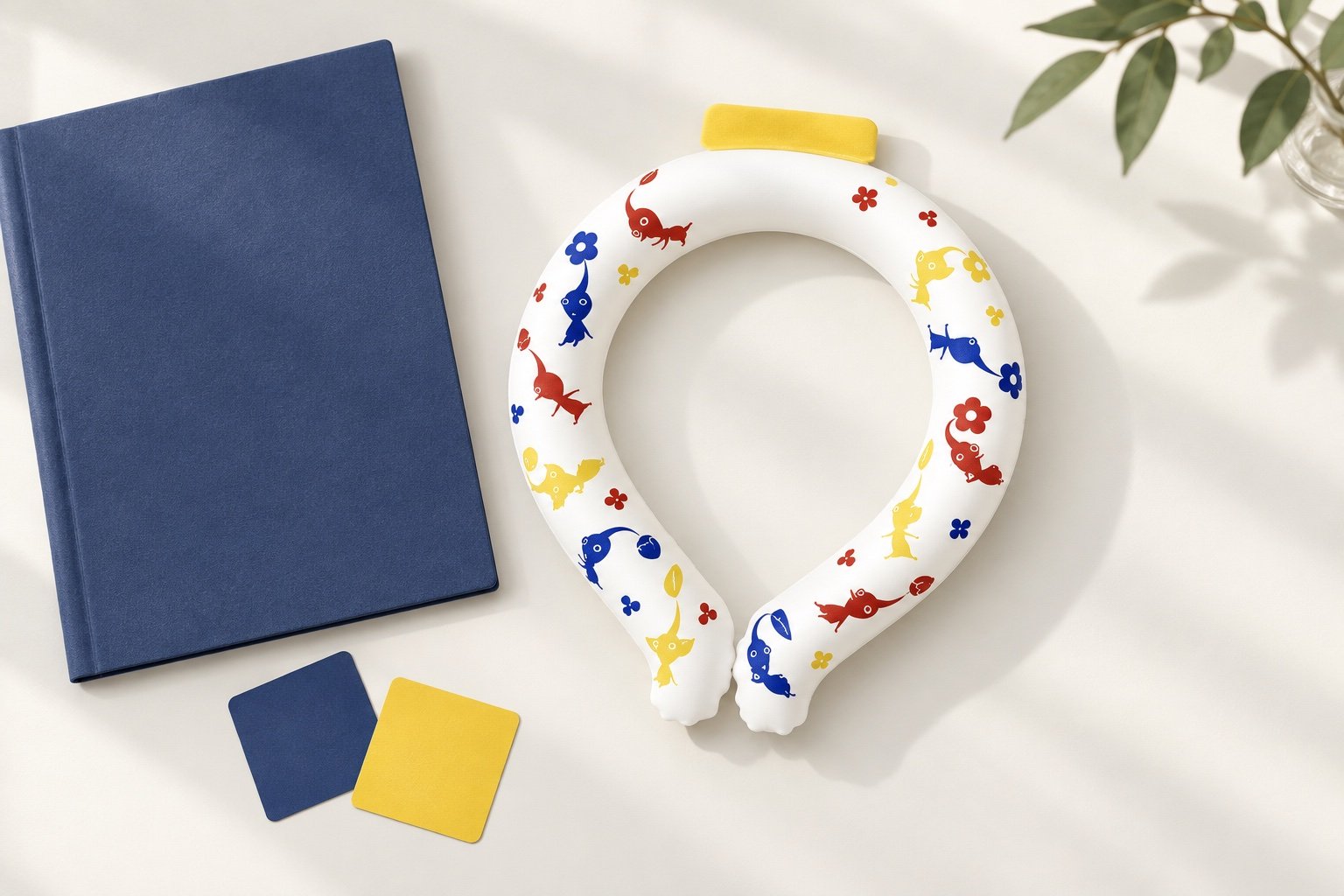
“Durable print” is incomplete without a use condition. Buyers should define the exposures that matter for the product, which may include freezer storage, condensation, repeated wiping, abrasion against a textile cover, bending, heating instructions or contact with secondary packaging.
Agree on the evaluation method before sampling. A useful approval plan identifies the conditioning, number of cycles where relevant, inspection lighting, reference sample, defect categories and acceptance decision. Avoid copying a generic rub or adhesion test without confirming that it represents the actual product and ink system.
After the printing method is selected, use the custom ice pack printing quality inspection guide to connect the approved proof with finished-pack color, position, adhesion, readability, and lot acceptance.
Use a controlled artwork and sample-approval workflow
- Issue production-ready files. Provide vector artwork, fonts or outlined text, color references, dimensions, barcode data and controlled revision numbers. See the logo file requirements for custom ice pack printing.
- Confirm the printable area. Review a dieline showing seals, trim, chambers, fill areas and no-print zones.
- Approve a digital proof. Check content, spelling, language, dimensions and revision status. A screen proof is not a substitute for a physical sample.
- Approve the physical sample. Review color, location, legibility, adhesion and the appearance of the filled product.
- Retain the approval standard. Use the signed artwork, specification and approved sample as production references.
- Inspect production. Check defined attributes at first-piece, in-process and final inspection stages.
The sample approval checklist helps connect artwork approval with the wider product specification.
Put measurable print requirements in the specification
| Control point | What to define | Evidence to retain |
|---|---|---|
| Artwork revision | Approved file name, revision and date | Signed proof or controlled approval record |
| Print position | Reference edges, orientation and agreed tolerance | Dieline and measurement record |
| Color | Named color system, physical standard and viewing condition | Approved sample or agreed color report |
| Registration | Critical multi-color alignment and defect boundary | First-piece and inspection samples |
| Legibility | Minimum text, warnings, lot code and barcode requirements | Visual or scanner verification record |
| Adhesion and abrasion | Conditioning and agreed test method | Sample or batch test result |
| Seal-zone cleanliness | No ink or contamination in defined seal areas where required | First-piece and final inspection record |
Do not insert arbitrary tolerances. A meaningful tolerance comes from the artwork, process capability, product risk and buyer requirement. The specification should state who approves exceptions and how changes are communicated.
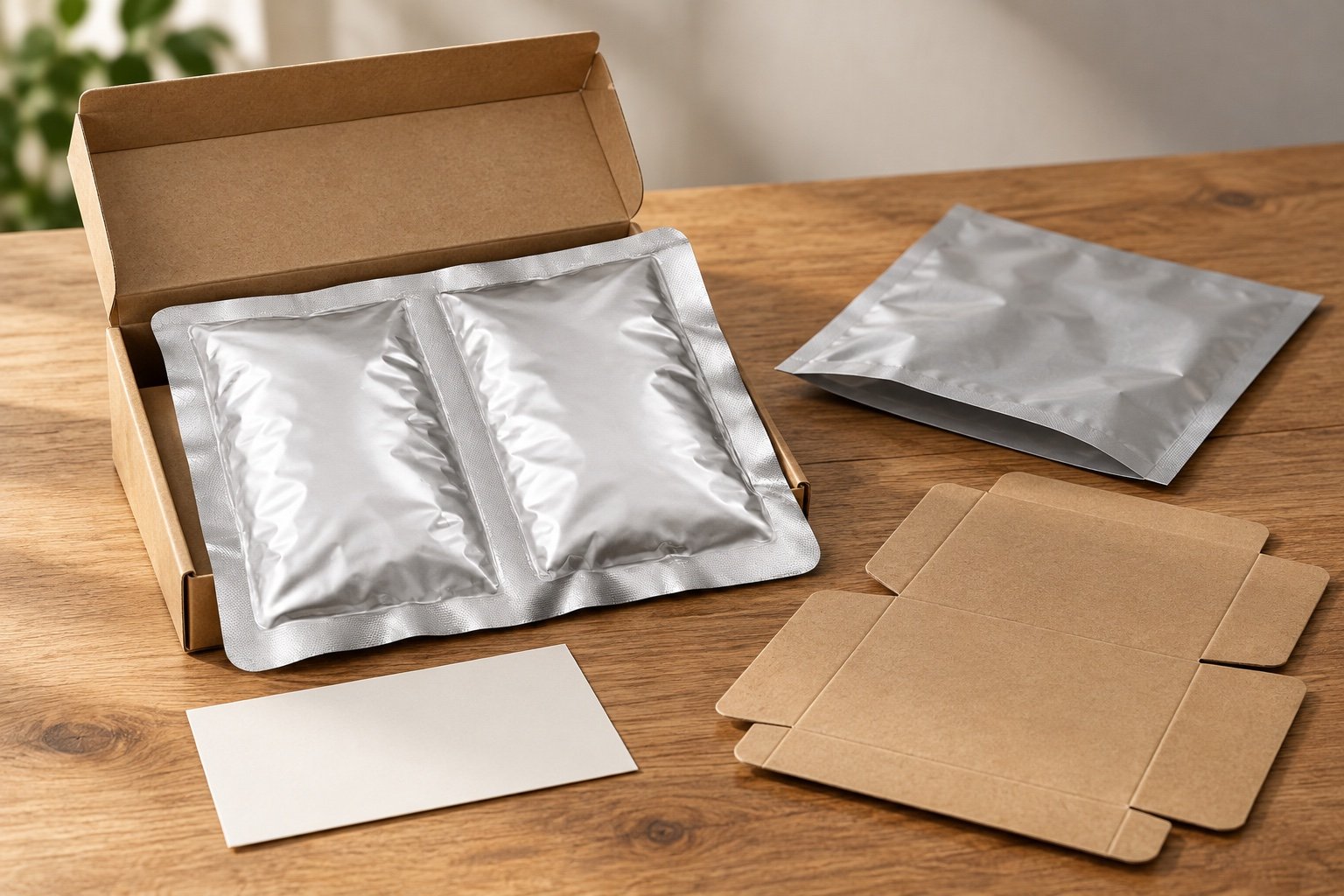
Common printing risks buyers should catch early
- Artwork extends into a seal or trim area. Use a controlled dieline before sample production.
- The proof looks correct but the filled pouch distorts the design. Approve a filled, conditioned sample.
- Color is described only on a monitor. Agree on a physical or measured reference and viewing conditions.
- The ink works on a sample film but the production material changes. Lock the film grade and require change notification.
- Barcode performance is assumed. Verify size, quiet zone, contrast, final curvature and scanner readability.
- Legal or instruction copy changes after tooling. Control revision approval and understand the cost of new screens, plates or cylinders.
How to choose the right method for your project
Start with six inputs: film construction, artwork complexity, number of colors, order quantity by version, durability conditions and expected repeat orders. Then ask each supplier to explain why the proposed method fits those inputs.
Use screen printing when the design is focused and the approved equipment-material combination is practical. Consider flexography or gravure when artwork will be printed repeatedly on roll film and volume supports the setup. Consider digital printing or labels when version flexibility matters more than the lowest long-run unit cost. In every case, compare samples and evidence—not just method names.
Frequently asked questions
Which ice pack printing method is cheapest?
There is no universal answer. Screen count, plates or cylinders, artwork versions, film, order quantity, ink coverage, proofing and inspection all affect cost. Compare total program cost across the expected number of orders.
Can the same artwork be used on PVC, TPU and laminated film?
The design file may be reusable, but ink, surface preparation, color appearance and sealing compatibility must be confirmed on the selected material and grade.
Is a digital proof enough for mass production?
No. A digital proof is useful for content and layout. Buyers should also approve a physical sample made on the intended material and review the filled product.
What should be sent with a printing RFQ?
Send the product drawing, film construction, artwork files, color references, print size and position, quantity by version, destination market, durability conditions, packaging requirements and approval criteria.
Related product references: Buyers comparing print routes can review Cryozin’s custom-printed ice pack programs and a custom-print reusable ice pack format. Final artwork, substrate, and print-process compatibility are confirmed for each project.
Turn artwork into a repeatable production specification
Cryozin’s public customization process lists screen printing, full-color options, labels and document/sample confirmation as project discussions. Available methods still depend on the exact film, construction, artwork and quantity. Use the custom ice pack specification template to organize the print requirements, then send Cryozin your product brief and controlled artwork for a project-specific feasibility review.
Scene images are editorial concepts based on catalog references, not evidence of a factory, customer project, test or approved configuration. Catalog images illustrate visible product form only.
