
OEM Ice Packs Developed from Specification to Production
Source OEM, ODM and private-label ice packs for your brand or distribution program. Cryozin reviews product specifications, materials, tooling, samples, artwork and packaging as one project, with the production scope confirmed before release.

On this page
Private label, modified OEM or new construction?
Choose the nearest format and mark what must change. Confirm feasibility and quote scope before sampling.
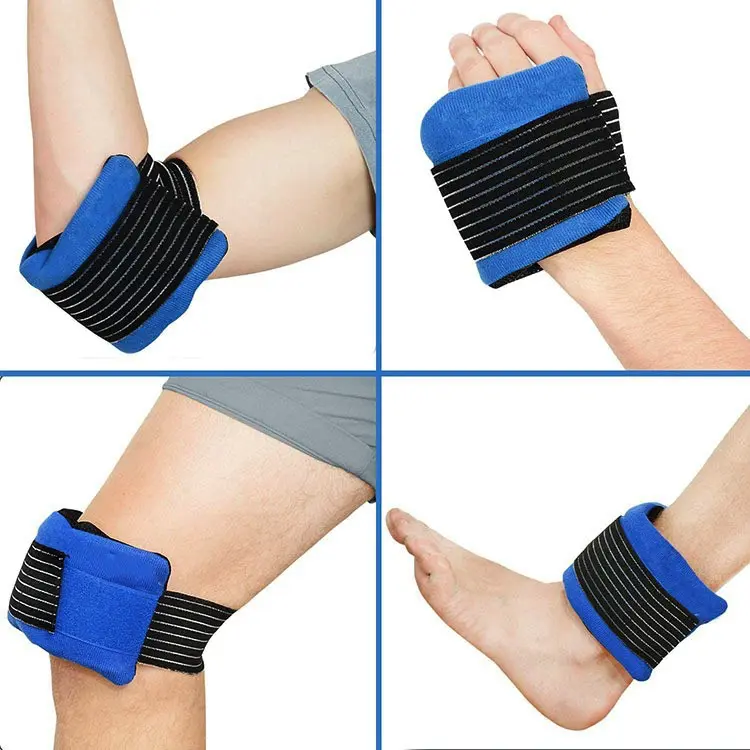
Sleeve format
Compare the insert, cover and strap together.
View pack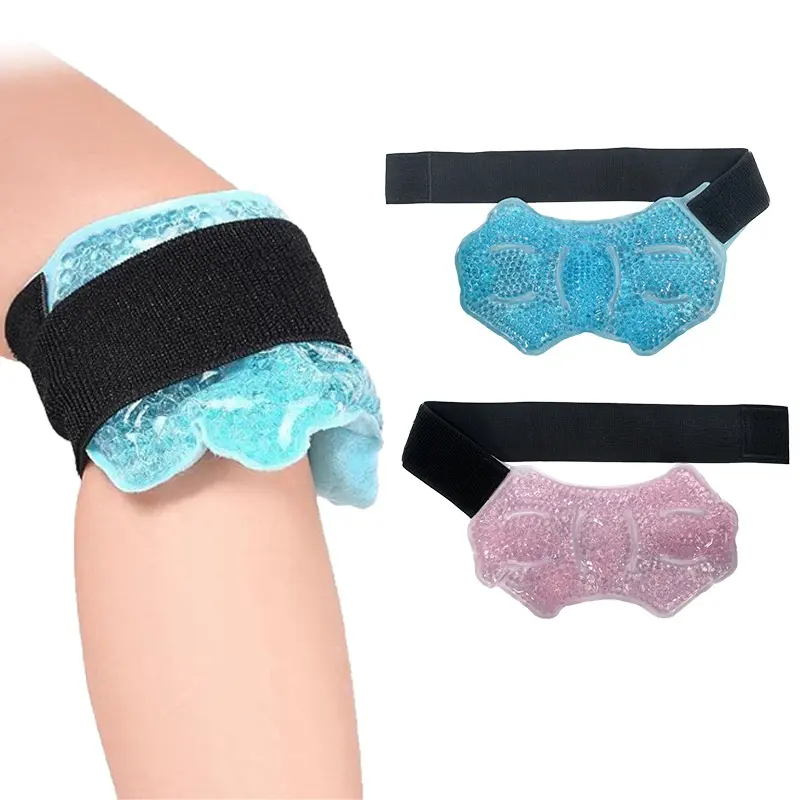
Bead wrap
Review shape, fastening and fill distribution.
View pack| Route | Best when | Send for review | Confirm in quote |
|---|---|---|---|
| Private label | An existing format fits; mainly branding and packaging. | Product reference, logo, quantities and packing brief. | Unchanged specification, print scope, packing and sample approval. |
| Modified OEM | An existing format needs material, size or accessory changes. | Marked changes and ranked must-haves. | Feasibility, sample revisions and any tooling changes. |
| New OEM construction | A new shape, chamber layout or pack system is needed. | Dimensioned concept, use, fit points and acceptance criteria. | Engineering, tooling ownership, samples and release criteria. |
Six approval gates for a cleaner launch
Each gate turns assumptions into a recorded decision before more cost and time are committed.
Commercial brief
Product reference or drawing, quantity by SKU, destination market, target cost, timing, sales channel and packaging level. Mark undecided items so the quote does not depend on hidden assumptions.
Engineering review
Dimensions, construction, materials, thermal behavior and manufacturing route.
Tooling decision
Tool scope, charge, ownership, storage and revision responsibilities.
Prototype and sample
Compare the physical sample with the drawing, material list, fill target, artwork and packaging brief. Record revisions together and identify the sample version approved for production.
Pre-production release
Dimensions, materials, colors, logo and packaging require buyer confirmation. Cryozin retains reference samples and material records for repeat orders; changes are submitted for reconfirmation.
Mass production
Controlled run, inspection, final release and documented changes.

Carry the approved identity through every component
OEM presentation can involve more than a logo on the pack. Align the product, textile, instructions and retail pack before approving production artwork.
- Pack color and logo location
- Screen, machine or label application
- Fabric color, woven label or care label
- Instruction layout and warning hierarchy
- Retail carton, insert and barcode
- Shipping carton marks and case pack
Document the details that protect repeat orders
The OEM file should show what was approved, what can change and who authorizes a change.
- Confidentiality & dedicated designs
- We can sign an NDA and accept customer-specific designs.
- Tooling ownership & handover
- Ownership, custody, approved use and handover can be arranged according to your requirements and recorded in the project agreement.
- Tooling-charge credits
- Charges can be credited against order payments once the agreed cumulative order threshold is reached. The threshold and credit arrangement are defined by project.
Confirm these terms before tooling begins.

Turn product intent into engineering inputs
An OEM brief should explain what must be unique and what can remain on an established manufacturing platform. This distinction protects the feature that creates market value while avoiding unnecessary tooling, sampling and production risk.
Must-have product outcome
Define the body area, fit, preparation, flexibility, appearance and pack system the product must deliver. Rank requirements so engineering trade-offs do not remove the core value.
Reference geometry
Provide a dimensioned drawing, CAD file, mock-up or sample. Mark critical dimensions separately from non-critical visual features and identify allowable tolerances.
Material architecture
Specify outer film, fill, textile, closures and accessories where known. If options remain open, state the performance or user-experience reason behind each choice.
Review material selection →Tooling scope and ownership
Cryozin can sign an NDA and accept customer-specific designs. Tooling ownership, custody, approved use and handover can be arranged according to the buyer’s requirements and recorded in the project agreement.
Golden sample and specification
Approve a physical reference together with dimensions, components, artwork and test criteria. The sample cannot communicate invisible details such as material identity or fill tolerance by itself.
Change control
State which supplier, material, process, tooling or artwork changes require notification and re-approval before repeat production.
See the quality framework →Where OEM cost and lead time usually originate
OEM schedules depend on how many decisions are already closed and how many approval loops the project requires. A realistic plan separates engineering work from artwork, packaging and production.
| Cost or timing driver | Typical trigger | How to control it |
|---|---|---|
| Engineering review | New geometry, chambering, textile integration or unclear requirements | Provide ranked requirements and usable reference files. |
| Tooling | Project-specific dies, molds, fixtures or print setup | Approve scope, ownership and revision before fabrication. |
| Sample loops | Changing dimensions, materials, fill or visual criteria after each sample | Use one consolidated feedback and approval record. |
| Artwork and packaging | Multiple SKUs, languages, claims, inserts or retail cartons | Freeze the product dieline before final artwork. |
| Testing and documents | Market- or channel-specific evidence expectations | Agree samples, methods and document scope early. |
| Production release | Missing golden sample, specification or inspection criteria | Use a signed pre-production checklist. |
Buyer responsibilities
The buyer should close intended use, market, claims, design priorities, commercial target and final approvals. Consolidated feedback and named decision owners prevent contradictory instructions from reopening completed development stages.
Manufacturer responsibilities
The manufacturer should flag feasibility limits, document the proposed construction, identify tooling and sample assumptions, and preserve the released specification through production. Cryozin has manufacturing facilities in China and Cambodia; confirm the proposed production site and the applicable document set for your program. Material changes should follow the agreed notification route.
Private label can be the better route when the required differentiation is primarily logo and packaging. Compare it with full OEM through the custom manufacturing process and custom ice pack planning page.
Resources for a controlled launch
Build the RFQ
Organize use, dimensions, materials, conditioning targets, quantities by SKU, market, artwork and packaging. Agree the quote inclusions, sample scope, approval owner and required documents.
Use the RFQ checklist →Prepare logo files
Reduce artwork delays by supplying scalable files, color references and a defined print area.
Review logo requirements →Plan private-label packaging
Coordinate dielines, barcodes, claims, warnings, inserts, retail packs and export cartons.
Use the packaging guide →Budget sample work
Understand how tooling, construction, print, revisions, testing and courier costs affect samples.
See sample cost drivers →Evaluate production quality
Review the product against written specifications before committing to a bulk shipment.
Use the quality evaluation guide →Move to scalable supply
For established platforms and repeat assortments, compare the commercial wholesale route.
Explore wholesale supply →Prepare a useful OEM inquiry
You do not need a finished specification to start. Send the three essentials first; mark undecided details as “to be confirmed” rather than guessing.
Start with these three
- Product and changes: a reference format, drawing or photo, with what must change.
- Quantity: expected order quantity by product or size, not just the total assortment.
- Destination market: intended sales market and delivery destination if known.
Add if you have them
- Construction priorities: dimensions, materials, accessories and must-have fit requirements.
- Brand and packing: logo, print area, individual packaging and carton requirements.
- Timing and documents: target delivery window and any named channel or document requirements.
View a short inquiry template
Product / reference: [add your format or drawing] Required changes: [describe, or write “to be confirmed”] Quantity by SKU / size: [add expected quantities] Destination market: [add market] Branding / packaging: [describe, or write “to be confirmed”] Target timing / documents: [add if known]
Bring your OEM concept to a feasibility review
Use the outline above to discuss the right development route, sample scope and quotation.
OEM ice pack questions
Before finalizing market-specific files, review our certificate and documentation scope and confirm which records apply to the approved product and destination market.
What is the difference between OEM and private label ice packs?
Private label usually adapts branding and packaging around a suitable existing product. OEM development can include changes to dimensions, construction, tooling, materials, gel, accessories and packaging. The right route depends on how much differentiation the program needs.
Can Cryozin work from a drawing or competitor sample?
A drawing, reference sample or concept can start the feasibility review. Cryozin will still need intended use, quantity, market, target dimensions, materials and performance expectations before confirming a development route.
Can you support packaging design and printing?
Yes. Cryozin can help develop retail packaging from your logo, text and references. Packaging and tooling charges are quoted separately. Final artwork, claims and market-specific legal content require buyer approval. See our customization and sample options for printing and sample charges.
What are the MOQ and lead times for an OEM ice pack project?
MOQ is confirmed per product: 300 pcs for Pet Cooling Mats & Pads and PCM Cooling Vests, 500 pcs for regular small-size products, and 1,000 pcs for very small products. Confirm the applicable MOQ for your selected size and configuration. Underwear and breast-pad products are counted by set; confirm the contents of each set. Artwork renderings take 1–3 business days and standard samples take 3–7 business days. Regular production takes 18–25 business days; custom development and production schedules are confirmed by project.
