
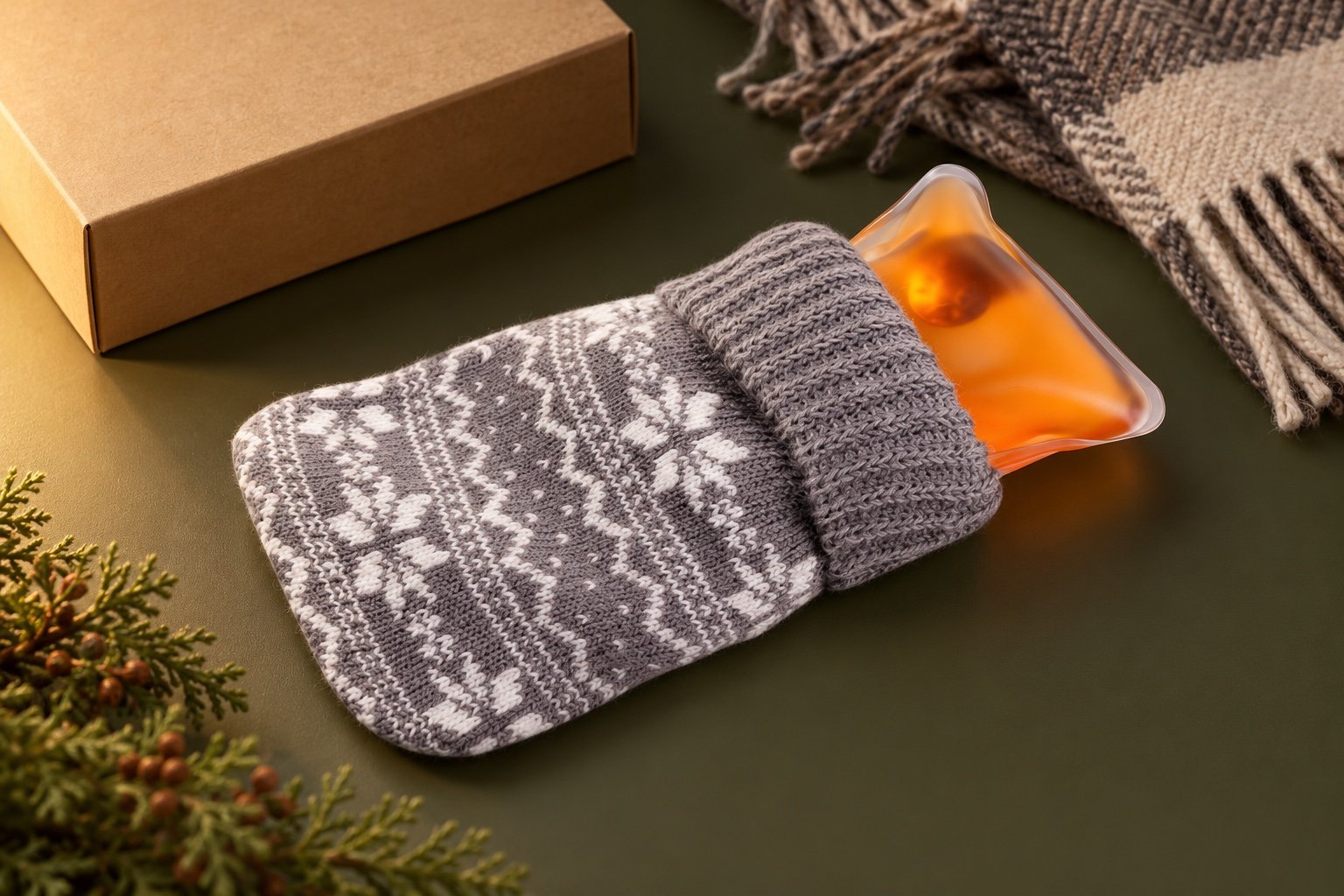
Cover image: AI-assisted editorial scene based on the catalog heat-pack set. Packaging is illustrative; no heating or cycle test is shown.
Reusable hand warmers include click-to-heat pouches and rechargeable electric devices. A click pack releases stored heat after its activator is flexed and needs the specified reset process before another activation. An electric warmer uses a battery-powered heating system and needs charging. Choose between them by how the customer will prepare, carry, control, and reuse the product—not by the word “reusable” alone.
For a retailer, gift brand, or private-label buyer, the choice changes the complete kit and the supplier evidence needed. A shaped pouch with a textile cover is a different purchasing project from a powered device with controls and a charging cable. This comparison helps you choose a product route before comparing quotations.
On this page
Click-to-heat vs electric: the buying differences
| Decision | Click-to-heat pouch | Rechargeable electric warmer |
|---|---|---|
| Heat source | Stored energy released by crystallization in the selected formulation | Electrical heating powered by a rechargeable battery |
| Start | Flex the internal activator as instructed | Use the device’s specified controls |
| Prepare for another use | Complete the product-specific reset and cooling process | Recharge according to the device instructions |
| Control question | How activation, heat release, handling and reset are managed | How settings, switching, charging and protective functions operate |
| Complete retail set | Filled pouch, any cover, instructions and packaging | Device or devices, specified charging accessories, instructions and packaging |
| Supplier review | Formulation/configuration, enclosure, activator, reset and cycle evidence | Exact device model, battery, charging system, controls and applicable evidence |
Fuel-based refillable warmers and air-activated disposable sachets are other product routes. They are outside this two-format comparison. A listing that calls every type a “rechargeable hand warmer” needs clarification: thermal reset and electrical charging are different processes.
Match the preparation routine to the customer
Start with the expected use sequence. Will the customer prepare the product at home and use it once before returning, or expect repeated use while away? What equipment and time are available between uses? A product can meet the first brief and still be a poor match for the second.
HotSnapZ’s FAQ describes its sodium-acetate products as activated by a metal disc and reset through a heating process. That is an example of a reusable thermal pouch, not a reset instruction for every supplier’s product. For the mechanism and validation details, see Cryozin’s existing sodium acetate click heat-pack guide.
For the powered route, Zippo’s rechargeable hand-warmer range provides examples of electric products. Review the manual for the exact model being quoted. Battery capacity, heating settings, charging accessories, and use conditions should belong to an identified configuration rather than a generic catalog family.
Reject a preparation mismatch before spending time on colors or logos. If the customer’s routine cannot accommodate a proposed reset or charging step, request a different product or change the brief.
Decide what control the product must provide
Ask whether the brief requires selectable settings, a defined stop function, or a single release of stored heat. Do not infer these functions from a competitor’s appearance or from a supplier’s use of “instant.” Require the supplier to demonstrate the actual handling sequence for its proposed sample.
For click packs, compare how the activator is found and flexed, how the pouch changes during activation, and how the spent product is identified before reset. For electric models, review the controls, indicator meanings, charging sequence, and any restrictions on operation while charging. These are questions for the selected product’s manual and evidence, not universal operating advice.
Temperature and duration headlines are not enough for a comparison. Ask where temperature was measured, which setting or starting condition was used, whether a cover was fitted, and what endpoint defined the advertised duration. A pouch-surface measurement and a powered device’s internal sensor reading are not automatically comparable.
Compare the whole kit, including covers and unit counts
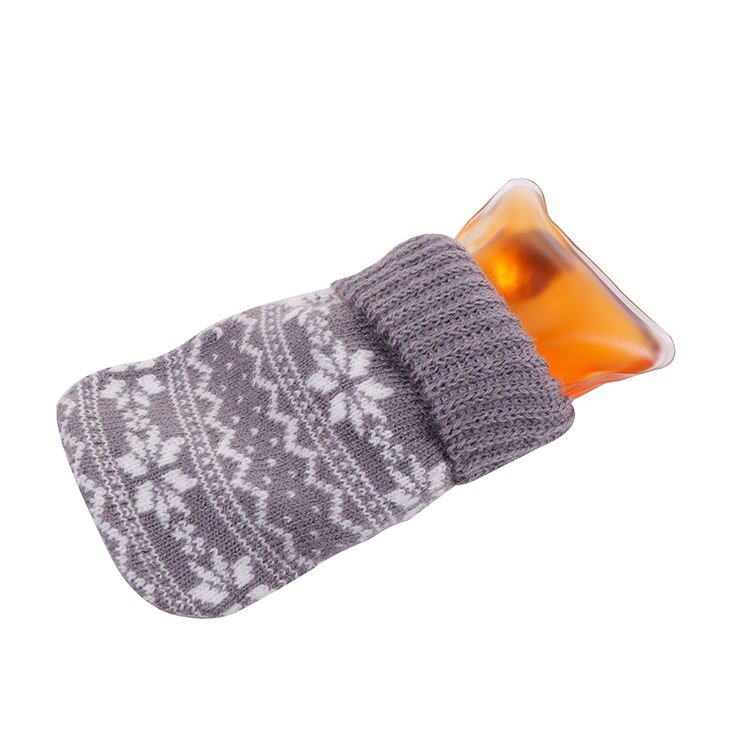
A fabric cover can be a visible part of the retail offer and part of the intended handling system. Confirm whether it is removable, how the pouch is inserted, and whether it remains in place during any preparation step. The answer must come from the approved instructions.
Cryozin’s click heat-pack set with a removable knit cover shows one complete-set format. Identify the pouch, cover, instructions, and packaging separately in the quotation. If multiple colors are offered, confirm which combinations belong to one retail SKU.
For electric products sold as a pair, check whether each half is an independent device, what charging accessories are included, and how the set is described on the box. Compare one complete retail set with another; a price per pouch or device is not necessarily a price per packaged pair.
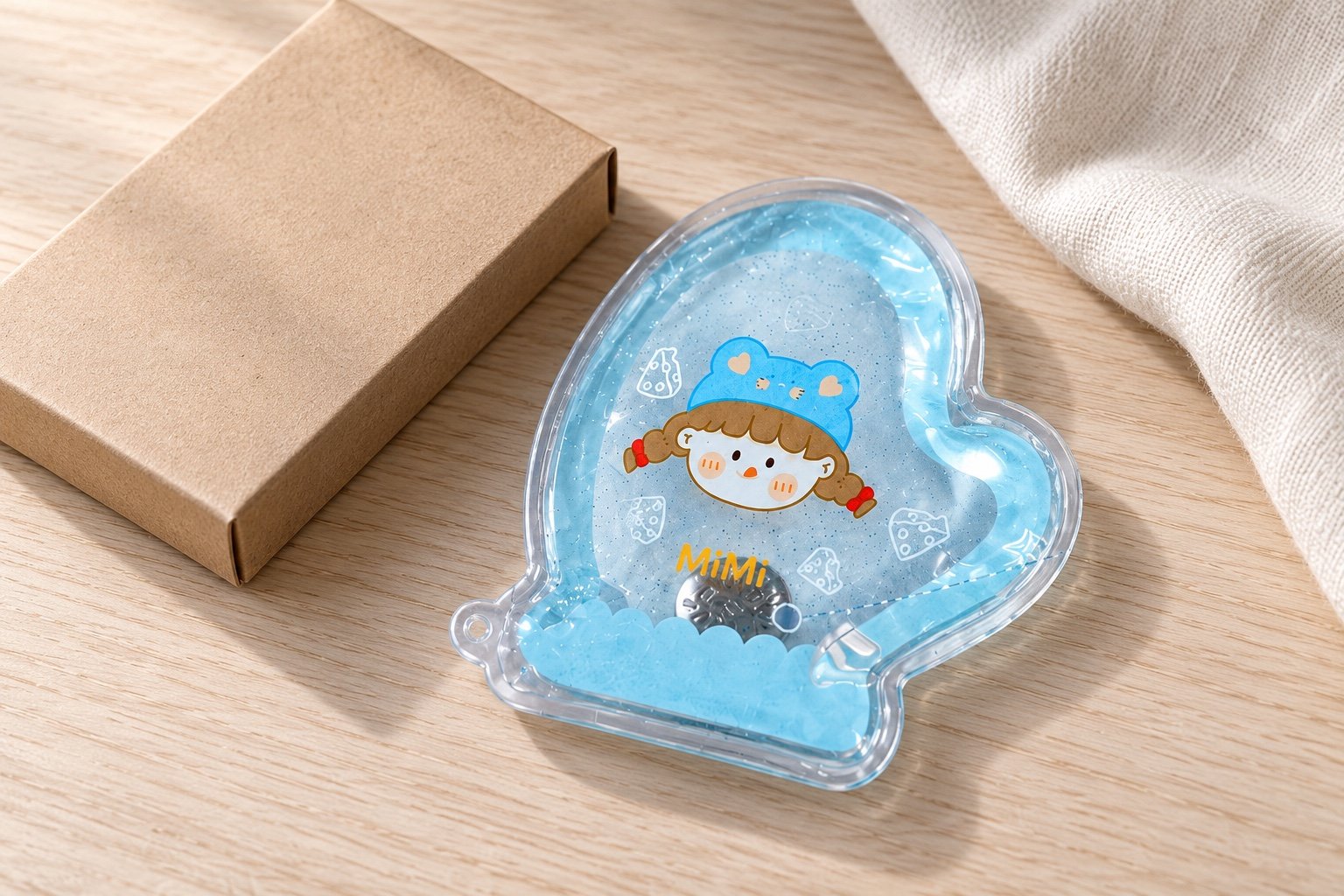
The same distinction matters for shaped click packs. Cryozin’s mitten-shaped click-activated heat pack is a sealed pouch with a thumb-shaped outline. It is not a fabric glove. The product title, photograph, set contents, and instructions should all make that distinction clear.
Request evidence for the risks of each route
For a click-to-heat program, request the formulation identifier, pouch and seal construction, activator details, reset instructions, finished-product temperature profile, and the method behind any repeated-use claim. A non-electric product still needs evidence for its own configuration.
For an electric program, identify the device model, battery and charging configuration, relevant test reports, instructions, warnings, and traceability details. Have the responsible reviewer determine which requirements apply to the intended market. A certificate from a different device or battery does not close the review.
The CPSC’s July 30, 2026 OCOOPA recall notice identifies specific rechargeable models and a battery overheating and ignition hazard. It illustrates why buyers should check exact model and recall identity. It does not establish that every electric hand warmer is unsafe or that a click pack is automatically safer.
For either route, keep marketing claims within the available evidence. The FTC’s Health Products Compliance Guidance addresses support for health-related advertising claims. Do not turn a warmth product into a treatment promise through the product name or packaging.
A product-route decision card for buyers
Use this editorial selection card before requesting production-representative samples. It is not a compliance certificate or test protocol.
| Buyer question | What to record |
|---|---|
| Customer routine | Where preparation happens and what equipment is available |
| Use sequence | One activation or multiple sessions away from preparation facilities |
| Required controls | Settings, stop function, indicators and handling sequence to verify |
| Carrying format | Pouch/device dimensions, cover, pockets and complete set weight |
| Retail contents | Number of filled units/devices, covers, accessories and packages |
| Performance comparison | Matched starting conditions, measurement location and endpoint |
| Supplier evidence | Exact model/configuration, instructions, reports and traceability |
| Commercial comparison | Complete-set quantity, packaging scope and unresolved exclusions |
| Decision | Selected route, reason and conditions still needing approval |
A click pack is a candidate when its activation and reset routine fits the brief. An electric model is a candidate when the required powered controls and charging routine fit—and the supplier can support the exact device. Neither choice is complete until the configuration, evidence, and instructions agree.
Questions before placing an order
Are click hand warmers rechargeable?
They may be described that way because a specified heating process restores their ready-to-activate state. That does not make them USB-rechargeable. Use “reset” for the thermal process and “charge” for the battery process in purchasing documents.
Which type lasts longer?
There is no defensible universal answer from the format name alone. Compare identified models under stated conditions, including the pouch’s fill and cover or the electric model’s setting and battery condition. Do not combine unrelated catalog duration claims into a ranking.
Can Cryozin quote both product routes?
Cryozin’s confirmed scope here is reusable click-to-heat packs and related custom manufacturing. This guide does not establish electric-device manufacturing capability. Browse the reusable heat-pack range for current click formats.
For a click-pack project, send the preferred shape, complete set contents, cover requirement, intended preparation routine, target market, and quantity. Use the OEM ice pack program as the development route, then request a configuration and sample discussion. A clear product-route decision makes the next quotation more meaningful.
Sources and further reading
- HotSnapZ — FAQ: its own product mechanism and reset process; not transferable preparation times or life claims.
- Zippo — Rechargeable hand warmers: examples of the electric product route, not a comparative performance endorsement.
- CPSC — OCOOPA rechargeable hand-warmer recall, July 30, 2026: exact recalled-model screening example.
- FTC — Health Products Compliance Guidance: health-related advertising claim support.
