
Cold Packs for Shipping: Build the Pack-Out Before You Claim Performance
Source reusable gel packs for shipping for packaged-food, sample and temperature-sensitive shipment programs. Compare current pouch formats, then confirm size, filled weight, branding and packing with Cryozin before requesting samples or a bulk quotation.

Compare two current cooling-pack formats
Start with the physical format, then match it to your container and purchasing brief. These existing products give wholesale shipping buyers a concrete starting point for sample and quotation discussions.
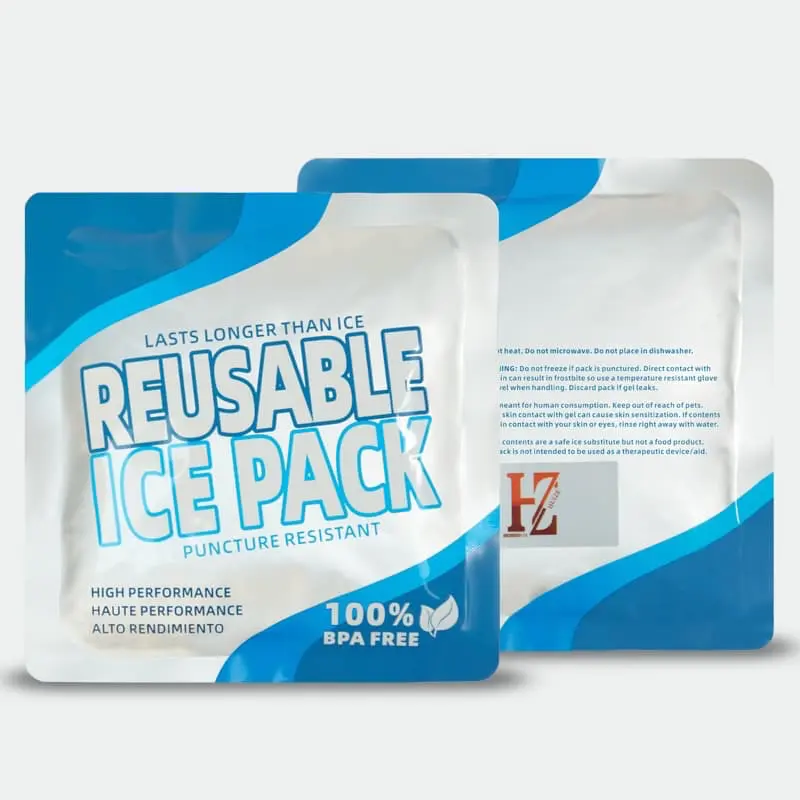
Thin square cooling pouch
A flat single-pouch format for lunch-box and packaged-food shipping configurations.
- Compare for
- Broad, flat placement beside a packaged payload.
- Confirm before ordering
- Finished dimensions, filled mass, thickness and unit packing.
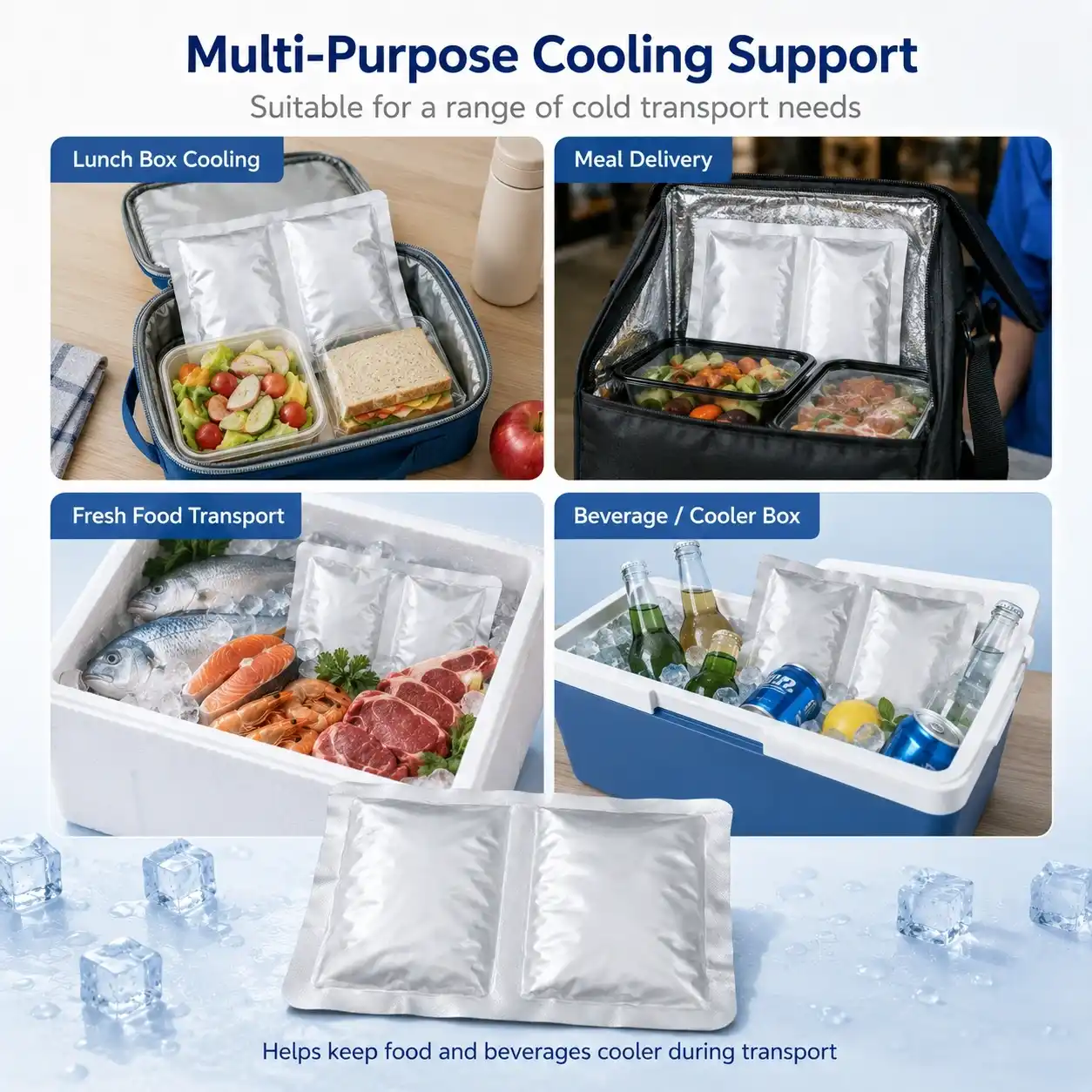
Foldable dual-cell cooling pack
Two connected pouch cells with a central bridge for flat or folded placement studies.
- Compare for
- A layout that needs a folding point within the container.
- Confirm before ordering
- Cell dimensions, bridge clearance, fill distribution and packing.
Product dimensions, filled weight, materials and case quantities are confirmed for the selected configuration. Cooling time depends on the complete tested pack-out.
Compare the full cooling-pack category, or send a product reference and your container dimensions for a sourcing discussion.
Make shipping-pack quotes comparable
Ask each supplier to quote the same pack configuration and packing unit. A per-piece price is only useful when the physical product, accessories and packaging are aligned.
Prepare your quotation brief- Product definitionReference format, dimensions, filled weight and outer construction.
- Order and packingQuantity per product, pieces per bag or box, carton requirements and destination.
- Branding and samplesLogo, printed instructions, packaging design and sample requirements.
How many gel packs does a shipment need?
There is no reliable universal number. Pack format, mass, count and placement depend on payload temperature limits, payload mass, insulated-container geometry, starting temperatures, ambient profile, route duration and opening events. Approve the final configuration through a representative pack-out trial.
Define the inputs before comparing formats
A useful proposal converts missing assumptions into buyer decisions. These five inputs help Cryozin discuss a physical starting format without turning an untested component into a shipping-performance claim.
Payload
Product type, mass, dimensions, starting temperature and packing density.
Acceptance limits
Target range, maximum excursion and the consequence of a deviation.
Container
Internal size, insulation type and thickness, void space and closure method.
Route profile
Transit time, season, handling points, opening events and possible delays.
Pack layout
Conditioning, quantity, orientation, contact barriers and sensor locations.
Match each format to its pack-out role
Start with geometry and handling. Exact laminate, filling, seal construction, conditioning and documentation stay subject to the approved product specification and project review.
| Buyer question | Why it changes the choice | What to confirm in a sample trial |
|---|---|---|
| How much internal space is available? | Thin pouches and segmented packs occupy and distribute space differently. | Clearance, contact area, orientation and movement during handling. |
| Does the pack need to conform around the payload? | Conditioned flexibility and cell layout affect how a pack can be positioned. | Fold direction, barrier material, puncture exposure and final placement. |
| Will the program reuse the pack? | Return logistics, cleaning instructions and condition checks become part of the system. | Reuse protocol and acceptance criteria for the exact approved construction. |
| What claim must the pack-out support? | A component image or nominal size cannot prove route-level temperature performance. | Representative loads, sensors, runs and defined pass/fail limits. |
Match the review depth to the shipment risk
The same cold pack can play a different role in each program. Define what is being protected and what evidence the purchasing team needs before approval.
Food and perishable programs
Confirm payload condition, internal barriers, handling, route, pack placement and the exact evidence needed for any material or contact statement.
Suitable for pack-out planningSamples, kits and short routes
Evaluate compact geometry, starting temperature, delay allowance and whether the recipient can follow repeatable unpacking or return instructions.
Suitable for format comparisonMedicine or regulated payloads
Do not infer compliance from a generic gel pack. Product-level evidence, target-market requirements and a qualified final system must be established first.
Evidence gate requiredBuild a pack-out that can be repeated
The purpose of a trial is not to find a pack that merely feels cold. It is to create a documented configuration that can be prepared, packed, checked and controlled.
Define
Lock the payload, limits, route and failure criteria.
Configure
Choose container, pack format, count, placement and barriers.
Condition
Record starting temperatures and preparation instructions.
Test
Instrument representative loads and repeat relevant runs.
Approve
Control the specification, packing instructions and later changes.
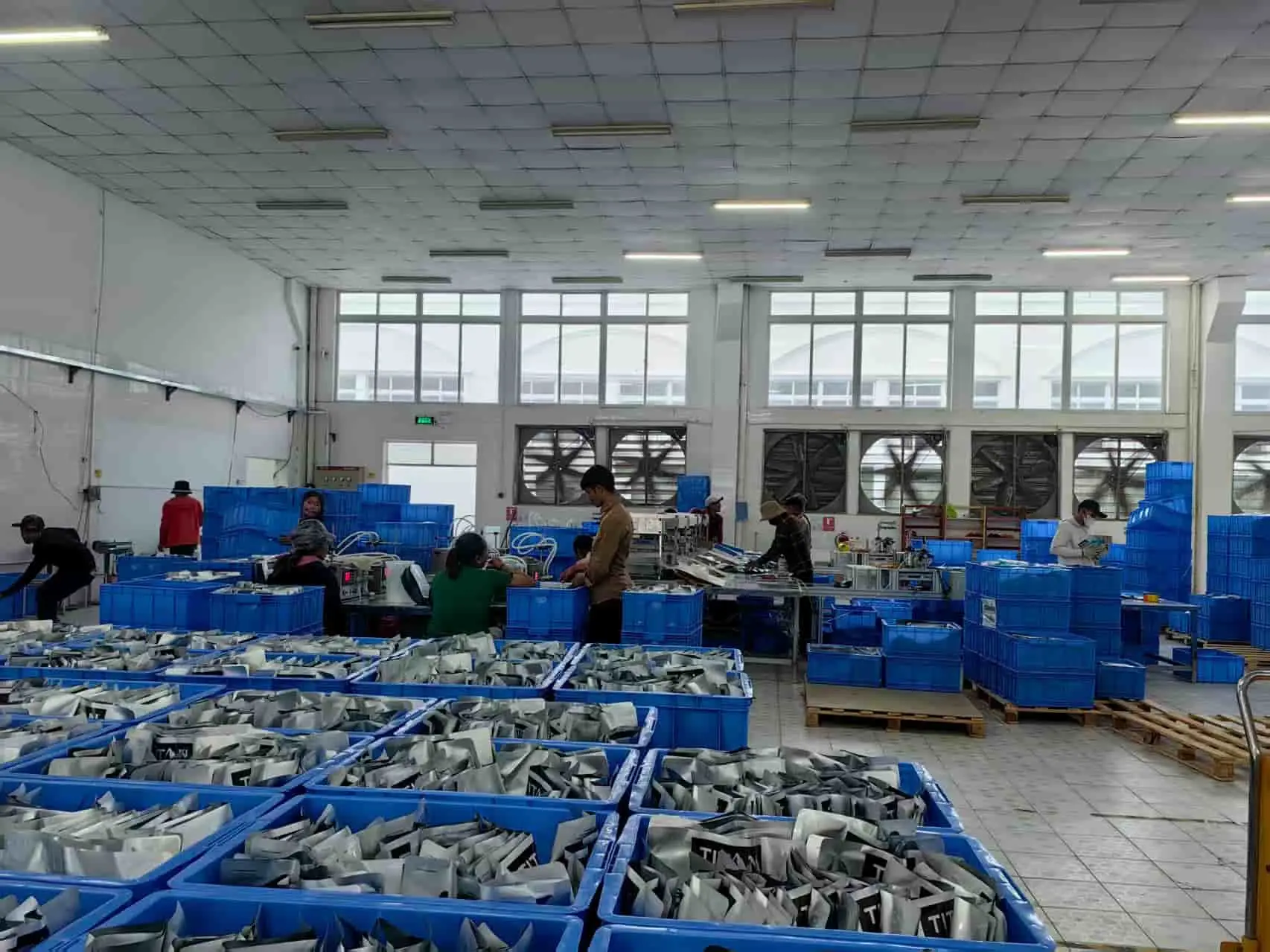
Verify the process behind the product format
Cryozin supports OEM, private-label and wholesale projects. Buyer confidence should come from traceable company information, an approved specification, a relevant sample and a project-specific validation plan—not generic badges or an unqualified duration claim.
Request a quote for your shipping-pack program
Start with a product reference or photo, approximate dimensions, quantity and packaging requirements. Add the payload, container and route information when asking about a shipping configuration.
- product reference or photo and approximate dimensions
- order quantity for each product and selling unit
- filled weight and construction requirements, if known
- logo, retail pack and carton requirements
- destination market and requested delivery arrangement
- payload, container, route and target range for pack-out review
Continue the buying decision
Each supporting page answers a different question, so the Shipping page remains the single commercial owner for pack-out sourcing.
Cold packs for shipping: common questions
Short answers help buyers distinguish a useful sourcing discussion from a claim that still needs product- and route-level evidence.
Can Cryozin guarantee a fixed cooling duration?
No universal duration should be inferred from a pack alone. Performance depends on the complete tested pack-out, including payload, insulation, conditioning, placement, ambient profile and route.
Are these gel packs suitable for shipping food?
Suitability must be confirmed for the exact product construction, intended contact scenario, target market and pack-out. A photo or generic material name does not establish the required claim.
Can Cryozin recommend the number of packs?
Cryozin can discuss a starting configuration after receiving the payload, container, route and temperature inputs. The buyer should qualify the final pack-out under a representative protocol.
Can the same pack be reused?
Reuse expectations, inspection criteria, preparation and return logistics should be defined for the approved product and program. Do not generalize a reuse claim without applicable evidence.
