
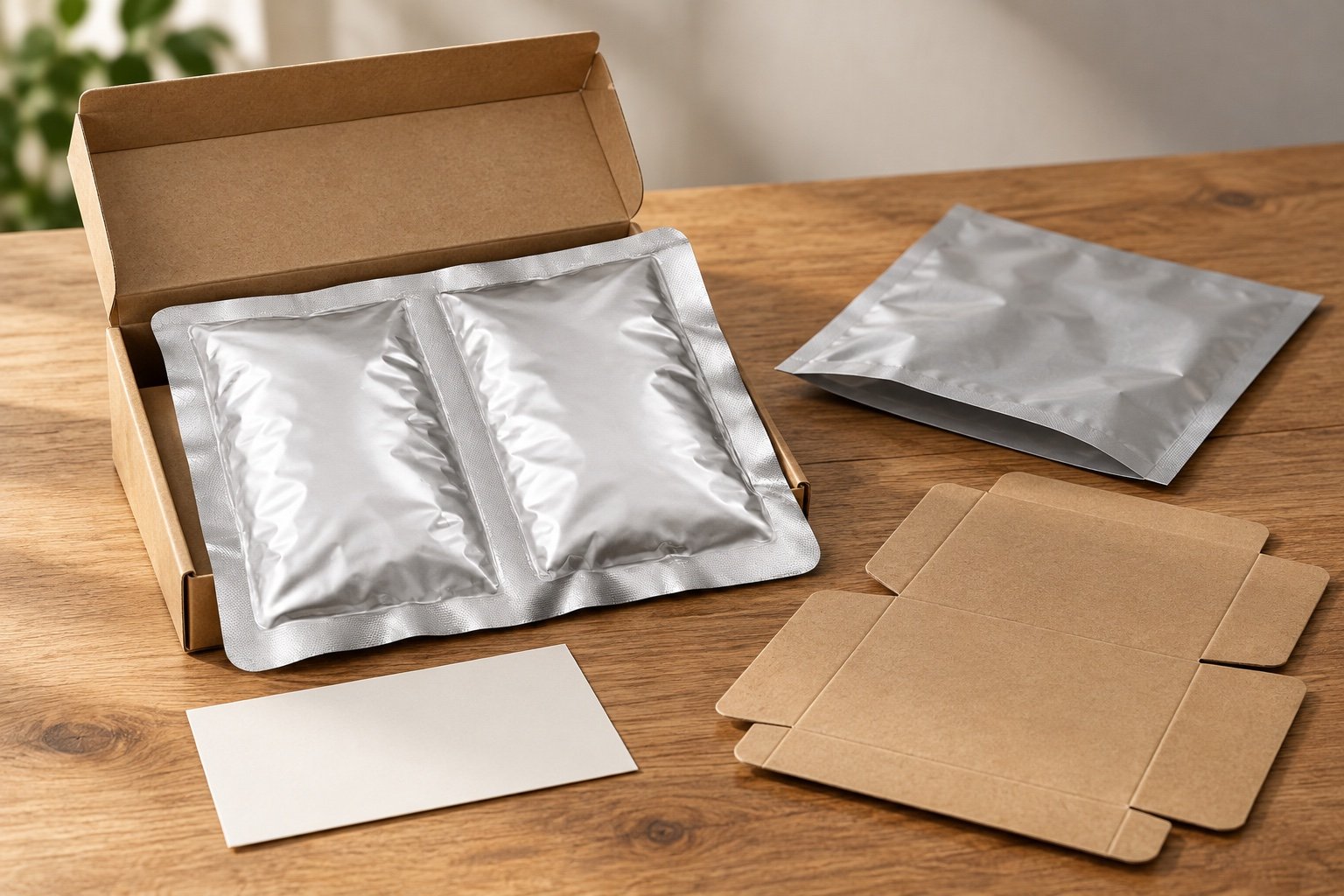
Custom printing can turn a standard cold pack into a retail-ready branded product, but the quotation is shaped by much more than the size of the logo. The substrate, print method, number of colors, coverage, artwork condition, tooling, approval process, order quantity, and packaging format can all affect setup cost, unit cost, and production risk.
This guide explains the main custom ice pack printing cost drivers for U.S. brands, wholesalers, distributors, and product teams. It does not provide a universal price because the correct method and cost depend on the approved construction and the supplier’s actual production route. Instead, it gives buyers a framework for requesting comparable quotations and preventing avoidable artwork charges.
On this page
Quick answer: what affects custom ice pack printing cost?
The largest cost differences usually come from five decisions: what surface will be printed, which process will be used, how many colors or design elements are required, how much setup is needed, and how many identical units will share that setup. A small one-color mark on a compatible stock surface may be simpler than full-coverage graphics on custom printed film or a retail box.
Buyers should ask suppliers to separate these items rather than accepting one unexplained printing charge:
- artwork preparation or prepress work;
- plates, screens, fixtures, dies, or other setup items;
- color matching and proofing;
- printing on the ice pack, cover, label, insert, or box;
- sample production and approval;
- inspection, sorting, and packaging;
- repeat-order setup and any stored tooling or materials.
A quotation that identifies these lines is easier to compare and easier to update when artwork or quantity changes.
1. The printed component changes the cost structure
“Printing an ice pack” can mean several different things. The artwork may be applied directly to a PVC or TPU pouch, incorporated into flexible packaging film, printed on a fabric cover, placed on a pressure-sensitive label, or reproduced on a retail carton. Each component has a different surface, shape, print area, handling requirement, and production minimum.
Start by identifying every printed item in the bill of materials. A useful RFQ states whether the price should include:
- the gel pouch or outer film;
- a removable or sewn cover;
- a product label or barcode label;
- an instruction insert;
- an individual polybag or retail box;
- master-carton and pallet labels.
Do not assume the same artwork file or printing process will work on all components. The supplier should confirm the production file, dimensions, color references, and proof route for each printed surface.
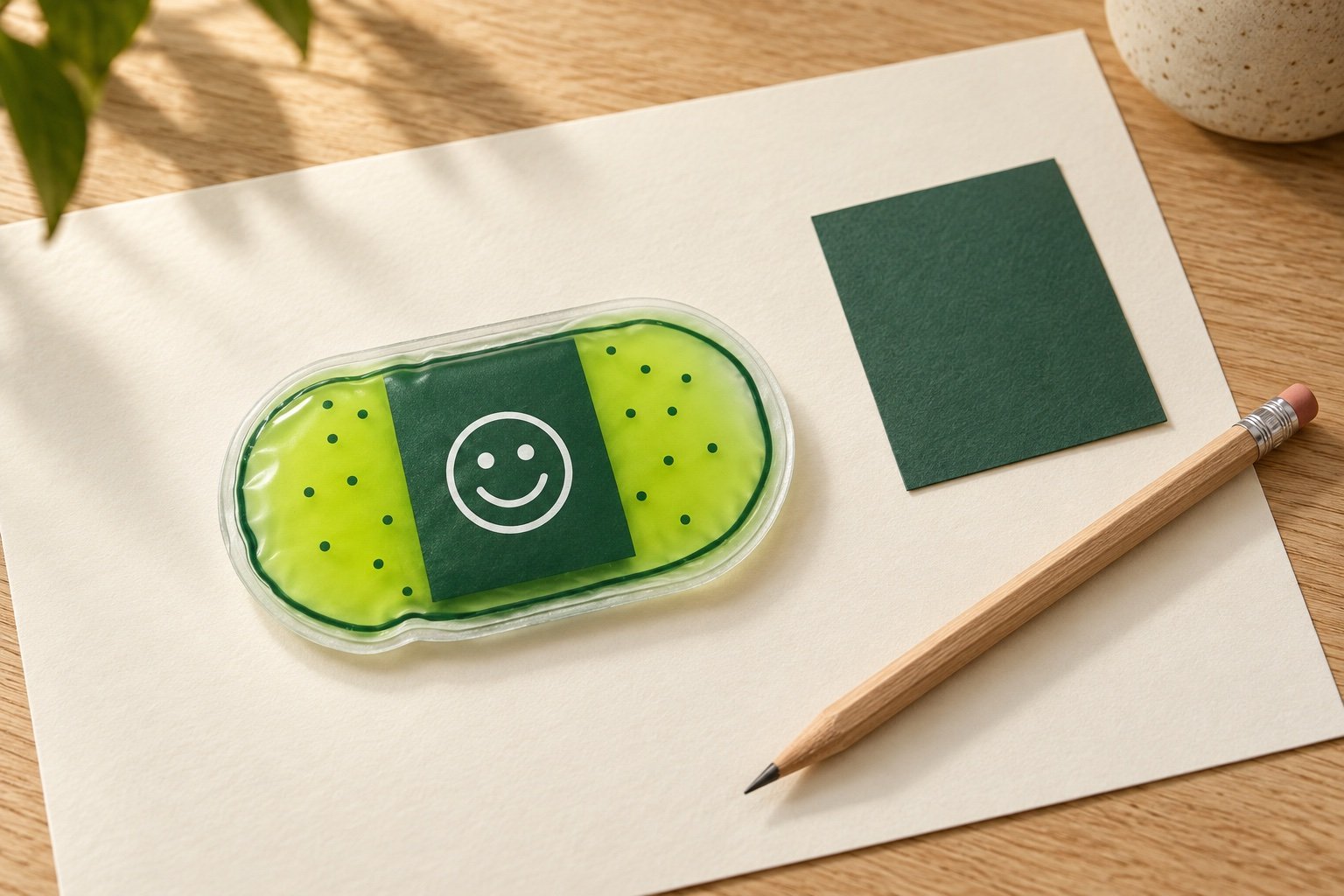
2. Printing method and production setup
Printing methods differ in how artwork is transferred, how colors are prepared, which substrates are compatible, and how efficiently the process scales. The appropriate method should be selected for the approved material, artwork, durability requirement, print area, and volume—not simply because one method has the lowest quoted setup fee.
Depending on the product, a supplier may discuss screen printing, pad printing, heat transfer, flexographic printing, digital printing, or a printed label. Buyers do not need to choose a method without technical input, but they should ask why the proposed process fits the substrate and design.
Setup may include plates, screens, color preparation, fixture adjustment, print registration, trial sheets, machine cleaning, and first-piece approval. Some costs occur once for a stable design; others return with every production run. Ask the supplier to identify which charges are:
- one-time;
- charged per color;
- charged per design or SKU;
- charged again for repeat orders;
- revised when the product size or material changes.
For flexographic packaging work, ISO 12647-6:2020 is an example of a published process-control standard covering data exchange, color aims, tolerances, and spot-color guidance. It is not automatically required for every custom ice pack program; any applicable process standard and acceptance criteria should be agreed in the project specification.
3. Color count, coverage, gradients, and design complexity
Additional colors can increase preparation, registration, cleanup, inspection, and waste. Large solid areas, fine text, gradients, halftones, white underprints, metallic effects, and artwork that crosses a curved or sealed area may also require different controls.
A buyer should provide a visual showing the exact print location and finished dimensions. Ask whether the quoted price assumes spot colors, four-color process, or another color system. If the design uses transparency, shadows, photos, or fine details, confirm that the selected method can reproduce them on the actual material.
Color references should be specific, but a reference number alone is not a promise of an exact appearance on every substrate. Film color, opacity, surface texture, ink system, lighting, and protective layers can affect the result. The approved production-intent sample should become the practical visual standard.
4. Artwork quality and prepress work
Incomplete artwork creates hidden cost. Missing fonts, low-resolution logos, unclear color references, unsupported effects, and files without defined dimensions can cause redesign cycles before production begins. Vector artwork is commonly preferred for logos because it can be resized without losing edge quality; Adobe’s overview of raster and vector graphics explains this fundamental difference.
Submit editable source files when available, outline or package fonts according to the printer’s instructions, and include a reference PDF. Our custom ice pack logo file requirements article provides a detailed artwork checklist.
Before approving a charge, clarify whether prepress includes file inspection only or also includes redrawing, trapping, separations, barcode generation, dieline adjustment, and multiple revision rounds. These services should not be assumed to be included in the unit price.
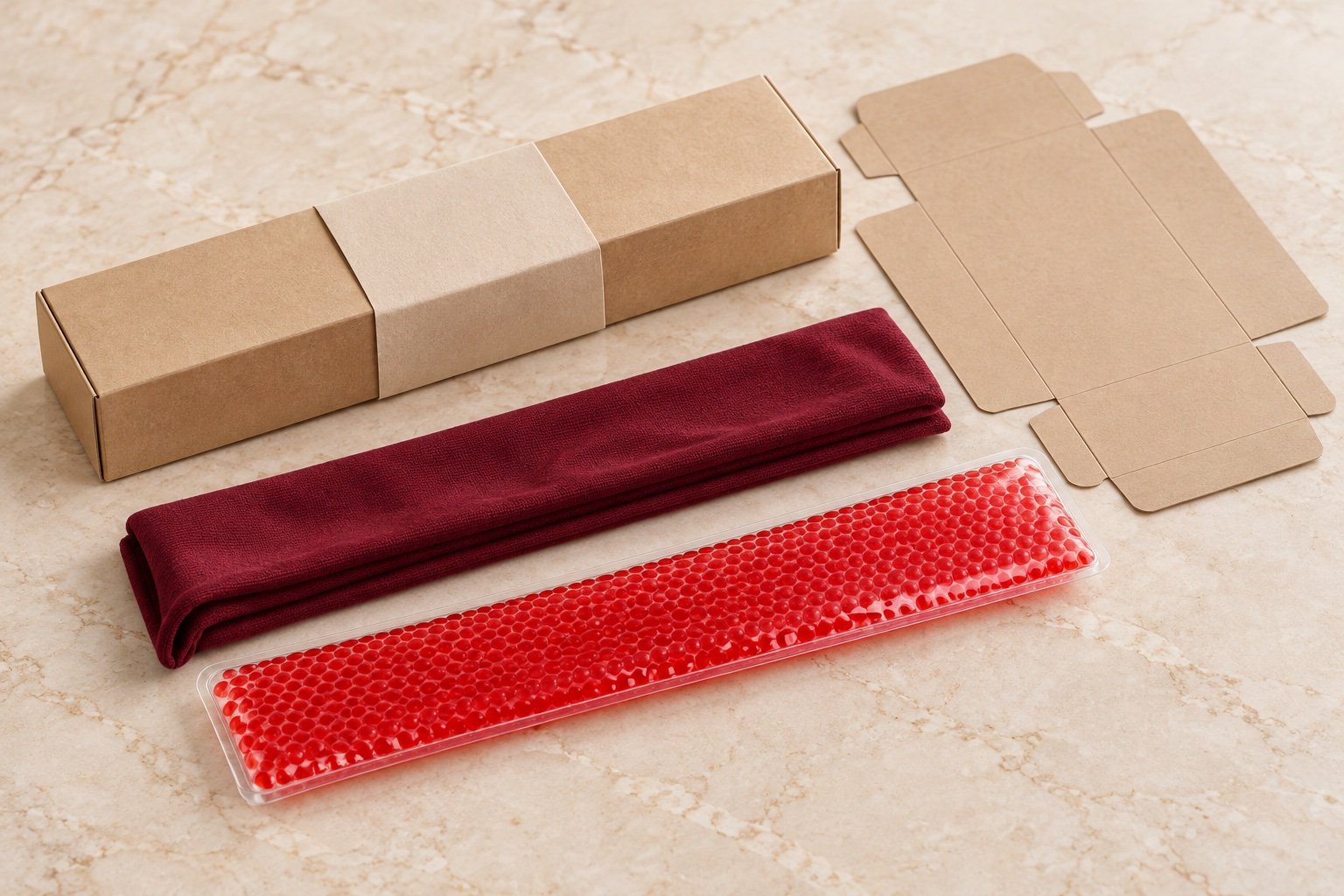
5. Quantity, variants, and minimum order requirements
Printing setup is spread across the number of identical units produced. The unit impact of setup usually becomes smaller as quantity increases, but a higher quantity should not be ordered solely to improve the printed unit price. Buyers should evaluate inventory risk, forecast confidence, material shelf considerations, artwork change risk, and cash flow.
Multiple colors, languages, sizes, or retailer versions may not share one setup. Ask for the minimum and setup cost per SKU. A mixed purchase order can still require separate print runs, material rolls, plates, proofs, and carton labels.
When a supplier quotes a printing MOQ, ask which constraint sets it: the print machine, the film or label supplier, the packaging converter, or the total production line. Our guide to custom ice pack MOQ factors explains how component and production minimums interact.
6. Proofs, samples, and approval rounds
A digital mockup is useful for placement and text review, but it may not represent material color, ink behavior, seal distortion, surface texture, or final packaging. A physical sample made with production-intent materials and a representative process provides stronger evidence, although the sampling method should be disclosed.
Define how many digital revisions, physical samples, and color adjustments are included. Identify who can approve artwork and establish one controlled approval record. Late changes after plate, screen, film, label, or box production can create new setup costs and schedule delays.
Sample cost should be evaluated separately from mass-production printing cost. Review our custom ice pack sample cost guide for questions about temporary processes, tooling, freight, and sample credits.
7. Inspection and acceptance criteria
“Good printing” is not a measurable acceptance rule. A buyer specification should address the characteristics that matter for the project, such as:
- artwork version and orientation;
- print position and allowed tolerance;
- approved color reference or master sample;
- minimum readable text size;
- registration and edge definition;
- smudging, missing ink, scratches, and contamination;
- adhesion or durability test conditions, if required;
- barcode quality for retail or logistics labels.
For products carrying GS1 barcodes, GS1 US advises using high-resolution artwork and printing and emphasizes correct color, placement, and size for reliable scanning. The buyer should define the required symbol and verification approach based on the destination retailer or trading partner; see the official GS1 US barcode placement and printing guidance.
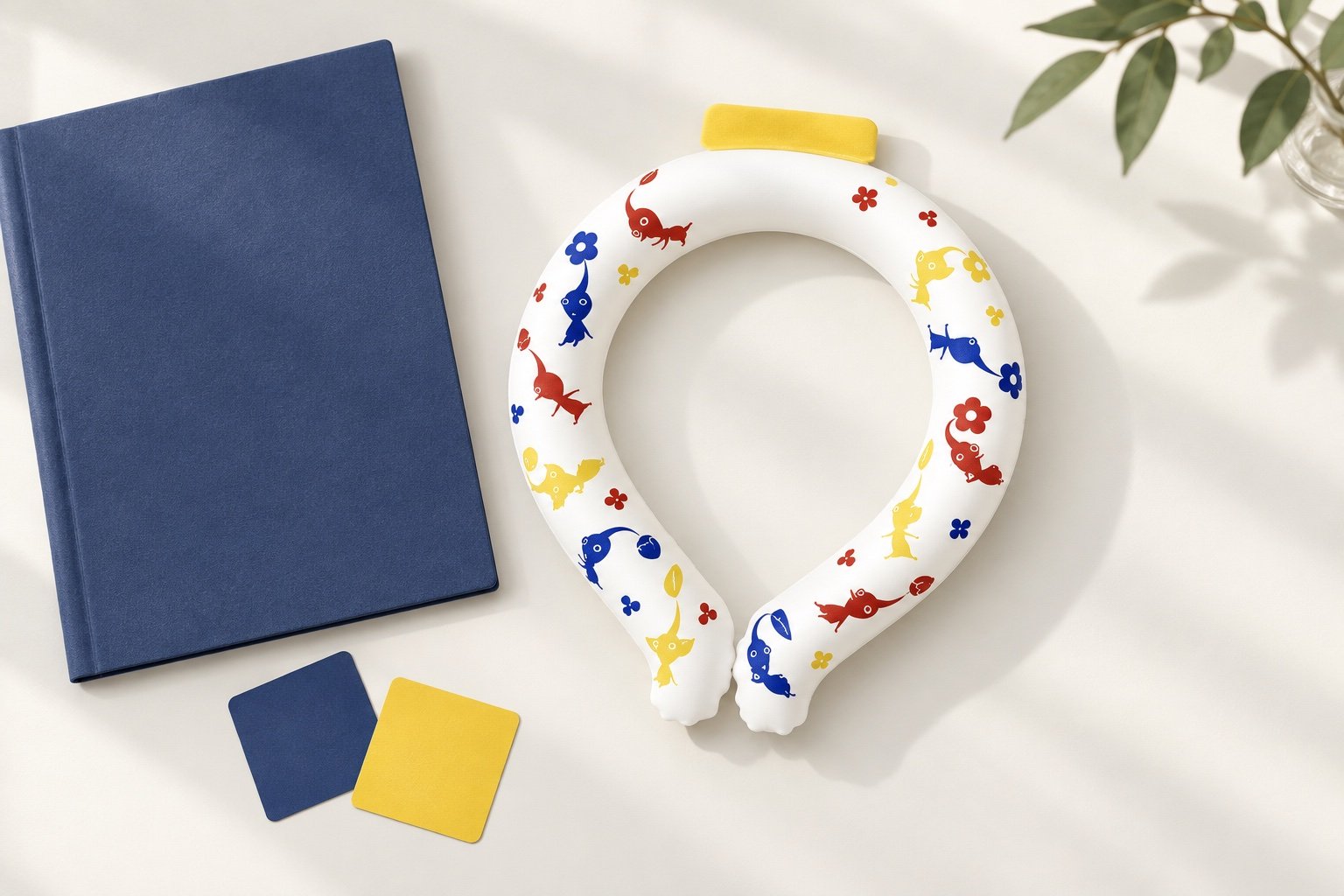
How to compare printing quotations
Send the same controlled specification to each supplier. Compare the proposed substrate and method, included print area, color count, setup items, proof route, sample process, acceptance criteria, MOQ, unit price, packaging, and repeat-order terms. Confirm whether quoted prices include taxes, freight, or duties and identify the trade term separately.
A low printing price is not directly comparable if it excludes artwork preparation, uses a temporary sample method, omits the retail box, or assumes a different material. Record all exclusions before selecting an offer.
Related product references: To connect printing choices with a sourcing brief, review Cryozin’s custom ice pack programs and this custom-print reusable ice pack format. Quoted print costs still depend on the approved construction, artwork, quantity, and inspection requirements.
Buyer takeaway
Custom ice pack printing cost is the result of a complete specification: the component being printed, material, process, artwork, colors, coverage, setup, quantity, variants, proofing, inspection, and packaging. Buyers reduce uncertainty by freezing these inputs before requesting a final production quotation.
Preparing a branded cold pack project? Send Cryozin the product drawing, intended market, artwork files, color references, print dimensions, quantity by SKU, and packaging requirements. Our team can review the submitted information and identify the details that must be confirmed before printing cost and production feasibility can be finalized.
Scene images are editorial concepts based on catalog references, not evidence of a factory, customer project, test or approved configuration. Catalog images illustrate visible product form only.
