

For a custom ice pack, “match our brand blue” is not a complete production specification. B2B buyers get more reliable results when they identify a physical color reference, define which component must match it, approve the color on the real material, and record an acceptance method before mass production. This guide explains how to turn a brand color into a practical approval workflow for film, fabric covers, printed graphics, and retail packaging.
On this page
Why the same color changes from screen to finished product
A logo can look correct on a laptop and still appear different on a printed ice pack. Digital displays create color with emitted RGB light. Printing uses inks or pigments that interact with the substrate and reflected light. Pantone notes that on-screen simulations may not accurately match physical Pantone standards, so a screenshot or HEX value alone is a weak production reference.
The substrate also matters. Transparent PVC, opaque film, woven fabric, stretch fabric, cardboard, and coated paper do not present the same ink in the same way. Surface texture, gloss, base color, print method, ink film, curing conditions, and lighting can all change the perceived result. A buyer should therefore approve a color as a combination of target + material + process + viewing condition, not as an isolated code.
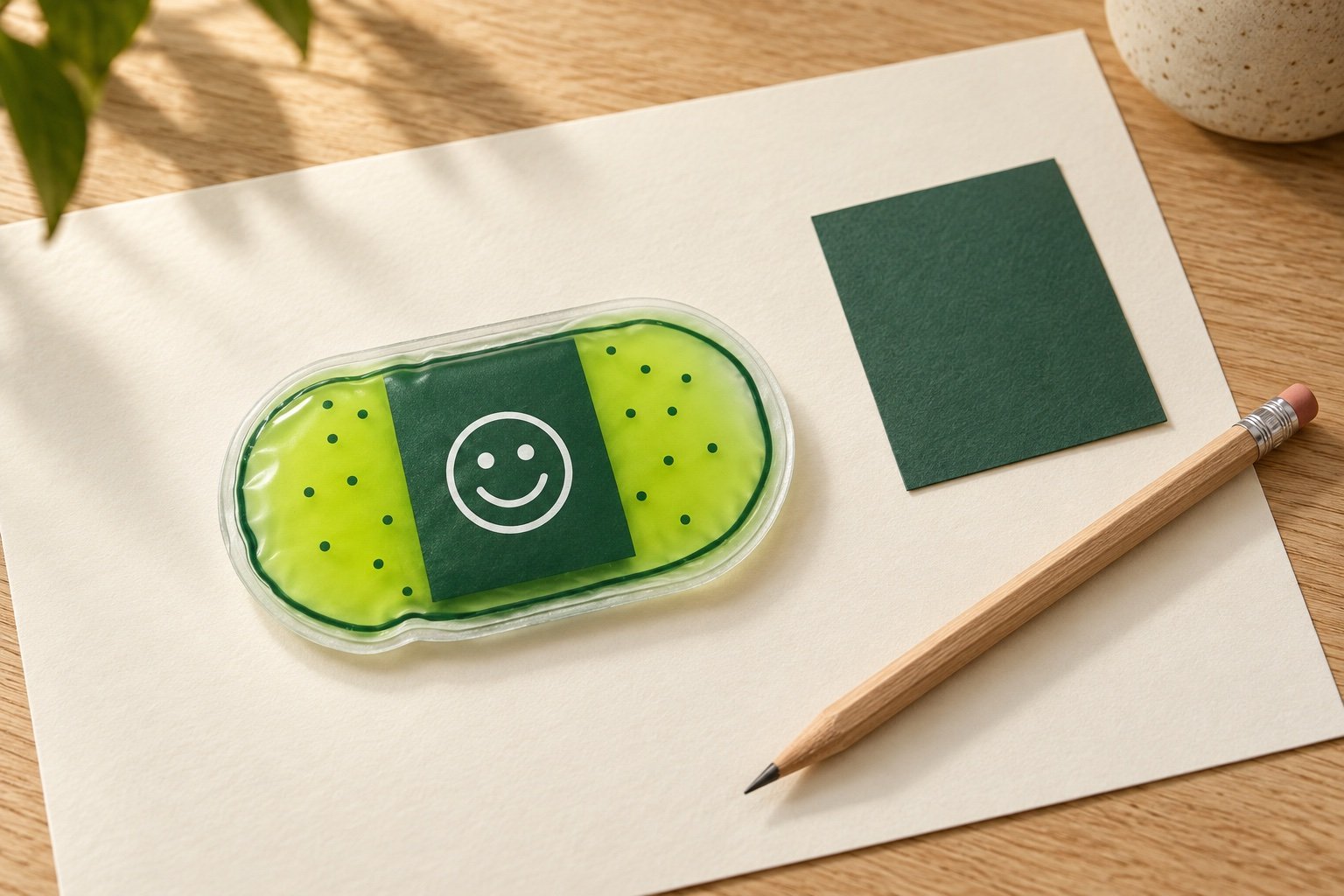
Start with a usable color reference
The most useful reference depends on what is being colored. For printed graphics and packaging, a current physical Pantone reference can give the buyer and supplier a shared target. Pantone distinguishes between graphics and textile systems because the achievable appearance changes with the material. When a brand uses its own approved product or swatch, the buyer should send a clean, unfaded sample and identify the exact area to match.
- Physical standard: identify the color system, code, and guide type. For example, coated and uncoated references are not interchangeable.
- Approved sample: label the sample, date it, photograph it, and keep a matching duplicate with the supplier when possible.
- Digital artwork: provide editable vector files and embedded color information, but do not treat a monitor preview as the final physical standard.
- Multiple components: specify the target separately for pack film, printed logo, textile cover, fastener, label, and retail box.
Buyers preparing artwork can also use Cryozin’s guide to logo file requirements for custom ice pack printing to separate file quality from physical color approval.
Define the color target for each component
| Component | Main variables | Useful approval evidence |
|---|---|---|
| Printed pack film | Film transparency, base color, ink system, print method, backing layer | Printed sample on the specified film and an approved master |
| Fabric cover or wrap | Fiber, knit or weave, dye lot, stretch, surface texture | Production-material swatch or sewn sample under agreed lighting |
| Logo and graphics | Spot versus process color, artwork profile, ink coverage, print position | Artwork proof plus physical printed sample |
| Retail box or insert | Paper stock, coating, CMYK conversion, finishing | Contract proof, print sample, or approved production sample |
| Accessories | Hook-and-loop, binding, zipper, buckle, elastic, supplier lot | Component swatches attached to the approval record |
This component-by-component approach prevents a common misunderstanding: one Pantone code does not guarantee that fabric, translucent film, and a coated box will look identical. The commercial goal may be a coordinated appearance rather than an impossible claim of perfect visual identity across every material.
Match the approval method to the production process
Color feasibility should be reviewed together with the printing or coloring method. A simple one-color logo may be suitable for a spot-color process. A photographic image or gradient may require process printing and a defined color conversion. A tinted film or dyed textile is controlled through material formulation or dyeing rather than the logo-printing step.
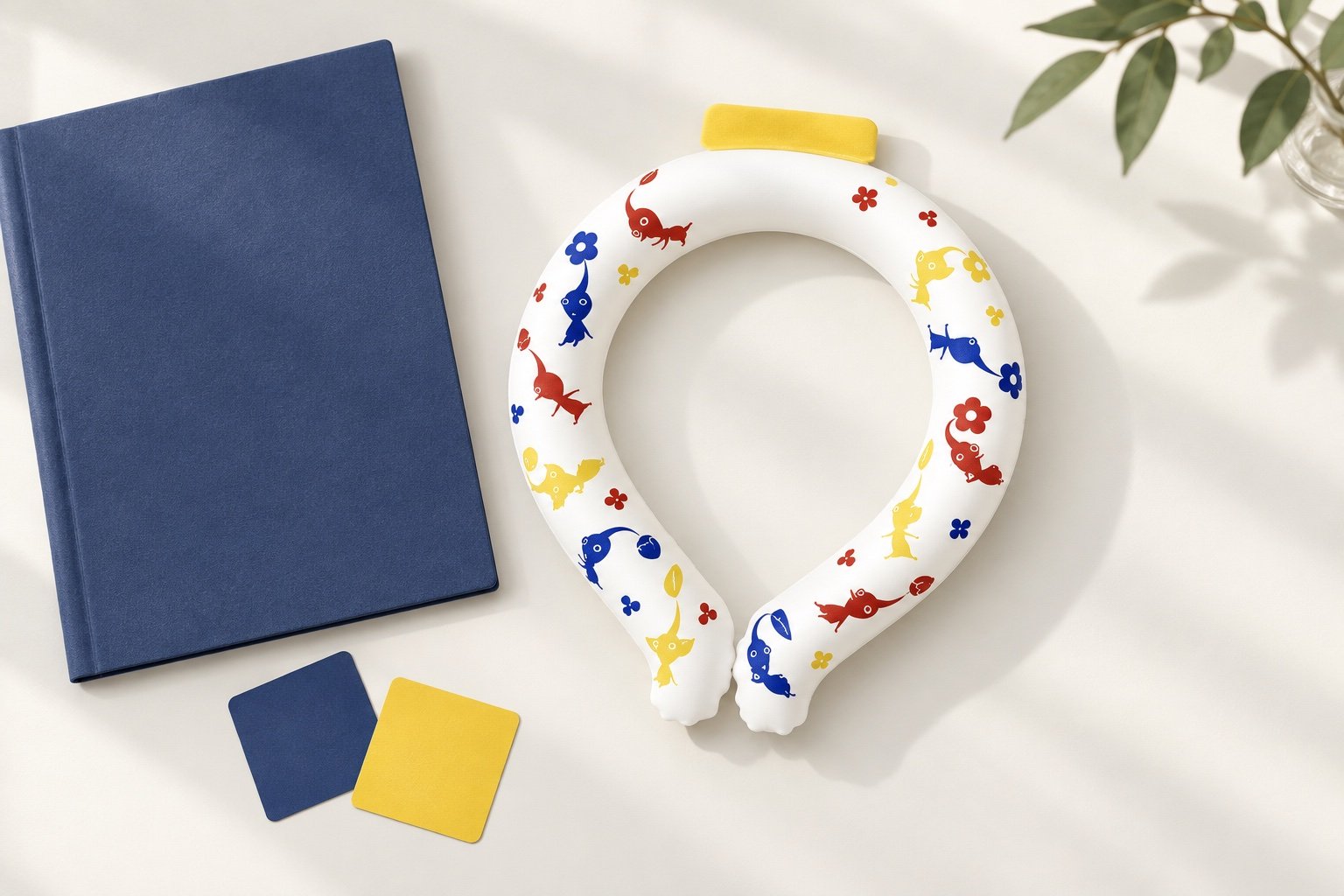
The article on custom ice pack printing methods compares process fit, durability, and cost factors. Use that decision first, then establish the color standard for the selected process. Changing the film, ink, printer, curing condition, or finishing step after approval may require a new color check.
Product format also changes how color is perceived and approved. Compare a colored PVC lip-shaped gel pack with an OEM logo area with a printed square cooling pack for lunch boxes and shipping: film transparency, surface construction, print coverage, and intended viewing surface are different. These are product-format examples; the achievable color and approval standard must still be confirmed for the buyer’s selected material and process.
A practical color-approval workflow
- Issue the brief. List each component, intended material, finish, print area, color reference, and any coordinated packaging requirement.
- Review feasibility. Ask which colors can be reproduced with the selected material and process, and identify targets that may need adjustment.
- Approve artwork separately. Confirm dimensions, placement, spelling, legal marks, and color callouts before physical sampling.
- Review a physical sample. Judge the actual material under agreed viewing conditions. Record approved differences instead of relying on memory.
- Create a signed master. Keep the approved sample, artwork revision, material description, and approval date together.
- Define production checks. State how production units will be compared with the master and what happens if a lot falls outside the agreed tolerance.
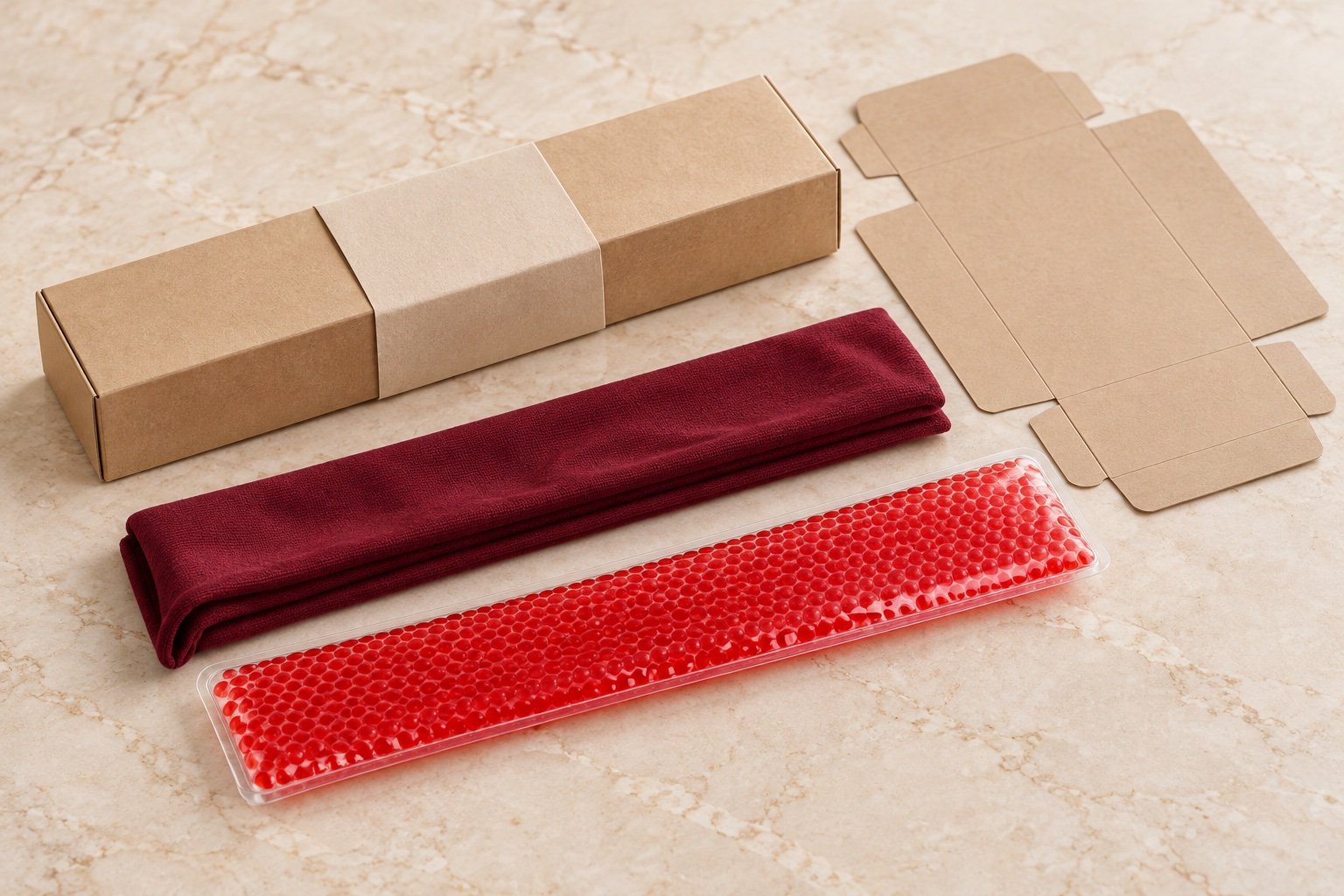
How should buyers evaluate a sample or production batch?
For a routine program, a documented visual comparison may be sufficient. Compare the sample and reference side by side, on the same background, under consistent illumination. Avoid judging one piece in daylight and another under mixed warehouse lighting. Gloss, texture, transparency, and neighboring colors can influence the decision.
For color-critical programs, the buyer and supplier may agree on instrument measurements and a numerical tolerance. ASTM D2244 covers calculations of color differences from instrumentally measured coordinates and states that the purchaser and seller should agree on the permissible tolerance and calculation procedure. It also notes that material, gloss, and texture can affect whether a measured difference is commercially acceptable. Instrument results should therefore support, not replace, an agreed visual review of the real product.
Color approval is one part of the finished-print decision. Use the custom ice pack printing quality guide to connect the color master with artwork accuracy, position, adhesion, readability, and production inspection.
Common causes of color disputes
- Approving a screenshot, phone photo, or HEX value without a physical reference.
- Using a Pantone number without identifying the relevant guide or material system.
- Expecting transparent film, fabric, and cardboard to produce the same appearance.
- Approving artwork placement but not approving a production-material color sample.
- Changing substrate, ink, coating, or supplier after sample approval.
- Using vague instructions such as “close enough” without defining who accepts the result.
- Comparing batches under different lighting or against an old, faded reference.
What to include in a color-matching RFQ
- Product format, dimensions, film or textile construction, and intended finish
- Artwork files with named colors and print dimensions
- Physical standard or approved sample, where available
- Color target for every component rather than only the logo
- Expected print process and whether alternatives may be proposed
- Required sample stages and approval authority
- Visual and, if needed, instrumental acceptance method
- Packaging color requirements and coordinated components
Cryozin can review color targets as part of a custom ice pack or OEM and private-label program. Achievability and tolerances depend on the approved material, print method, artwork, and physical sample. Buyers should confirm these project-specific details before treating any digital preview as a production commitment.
Frequently asked questions
Can a supplier match a HEX or RGB value exactly?
HEX and RGB values describe digital display color. They can guide artwork preparation, but they do not by themselves define the result on film, fabric, ink, or cardboard. Use a physical standard and approve a sample on the intended material.
Does one Pantone code guarantee identical color on every component?
No. Material color, texture, gloss, transparency, and print process affect appearance. Specify each component separately and agree whether the goal is an exact tolerance on one critical surface or a coordinated appearance across materials.
Should buyers approve a digital proof or a physical sample?
Use both for different decisions. A digital proof helps confirm content, layout, and color callouts. A physical sample is the stronger reference for finished color on the real material.
When is instrumental color measurement useful?
It is useful when color consistency is commercially important and the buyer and supplier can agree on the measurement conditions, color-difference formula, tolerance, and visual acceptance. The method should be written into the specification before production.
Key takeaway
Reliable custom ice pack color matching starts with a usable physical target and ends with a documented master sample. Define the substrate, process, lighting, and acceptance method before production. If you are preparing a new program, send Cryozin your product brief, artwork, material preference, and color reference for a project-specific feasibility review.
Sources
- Pantone Color Finder — limitation of on-screen simulations compared with physical standards.
- Pantone: What Are Your Color Spaces? — RGB, CMYK, and spot-color differences.
- Pantone Color Systems Explained — material-dependent color appearance and physical references.
- ASTM D2244 — calculation and agreement of instrumental color differences and tolerances.
Scene images are editorial concepts based on catalog references, not evidence of a factory, customer project, test or approved configuration. Catalog images illustrate visible product form only.
