
For a spa eye mask sold under your brand, approve the retail unit first. Decide what the guest receives, the shape that fits your range, the directions they will take home, and how staff will identify the exact item to reorder. For this guide, the product is a reusable cooling accessory such as a sealed gel eye mask.
Wholesale spa sourcing often covers retail shelves and treatment rooms together. Set up an eye mask SKU around its actual receiving, use, and resale workflow before asking for a logo proof or a custom carton.
On this page
Choose a retail SKU, a treatment-room item, or both
| Program | What to buy | What to approve first |
|---|---|---|
| Retail shelf | One identifiable consumer unit with its directions and approved packaging. | What is inside, barcode and copy, front-panel readability, and how the box is replenished. |
| Treatment room | Stock ordered for a defined staff workflow and intended use. | Storage, preparation, contact rules, and cleaning instructions for the exact item. Match any between-client process to documented suitability and local requirements before use. |
| Guest gift or launch kit | A sealed individual accessory inside a gift bundle or service package. | Where instructions go, component counts, insert space, and how separately sourced items reach the packer. |
ToGoSpa’s wholesale program lists retail packs and treatment-room supplies separately. That is a useful merchandising example. Approve the packaging and directions for the reusable mask you will actually sell.
Compare a plain gel mask and an eye-cup design
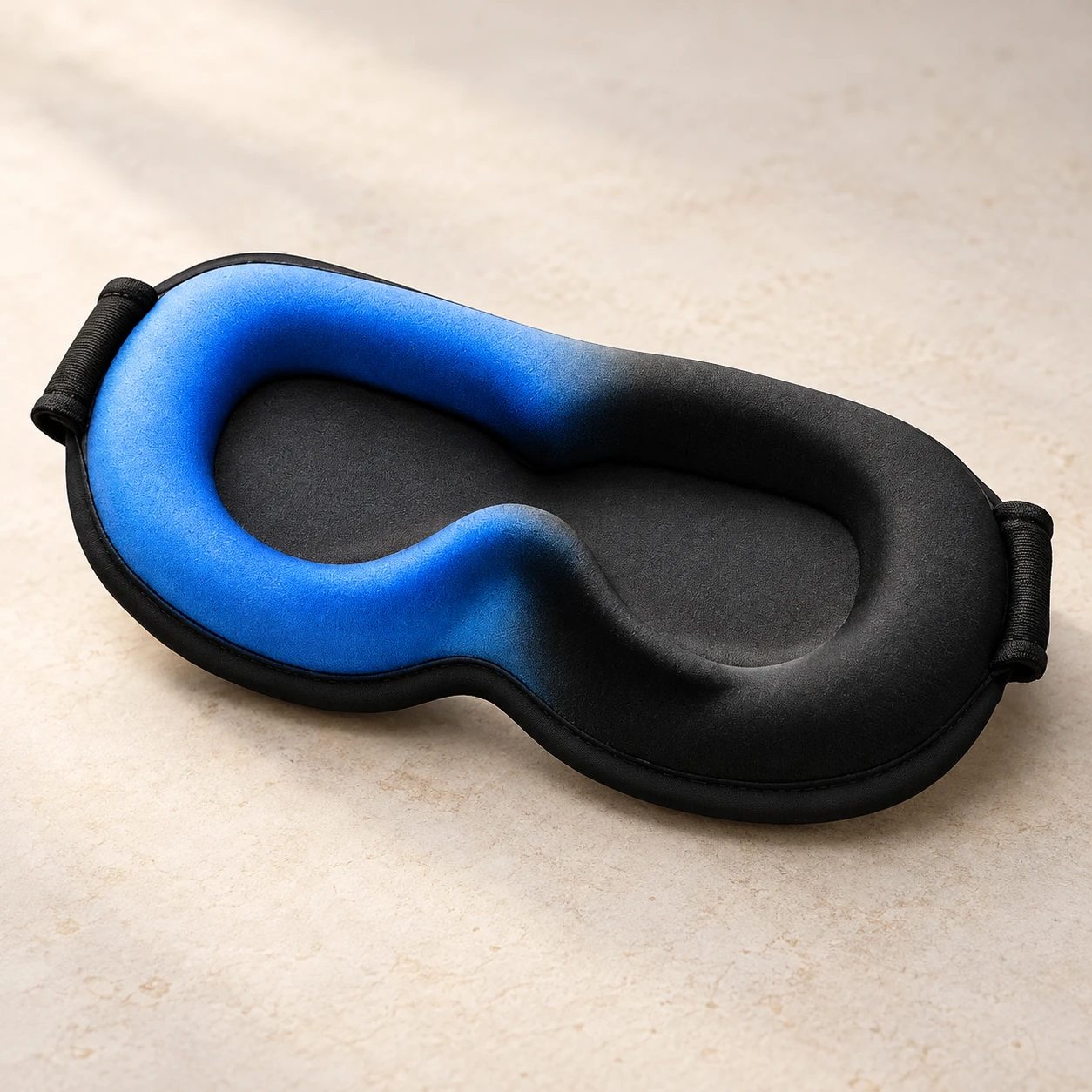
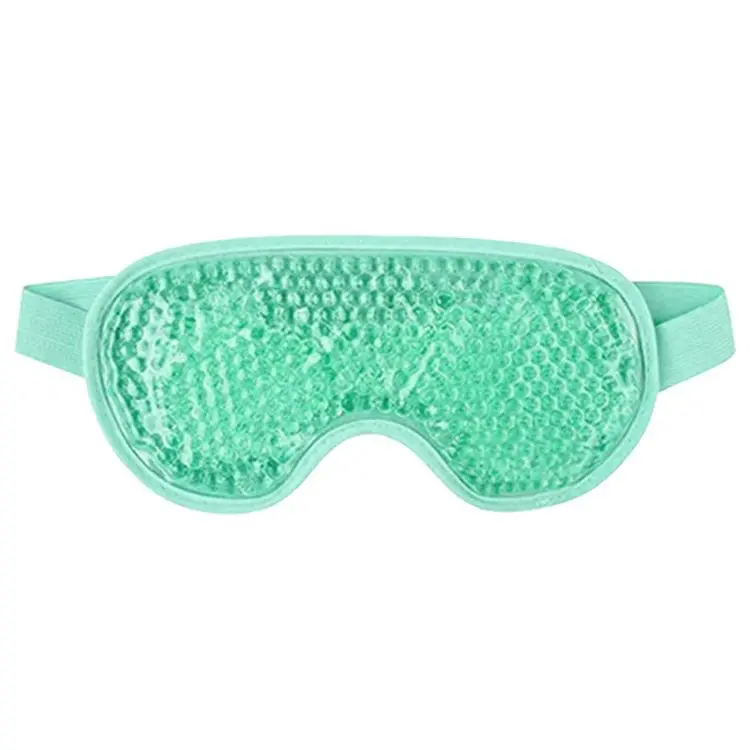
A flat gel-bead eye mask offers an easy-to-recognize shape for a retail display. A contoured model with recessed eye cups is an option when the intended contact area and strap fit matter to your range. To compare them, check the sample from the side as well as the front, including the nose bridge, strap position, and clearance where the shape changes. Mark any change directly on the sample drawing.
See the gel-bead eye mask reference and recessed-eye-cup format when preparing a comparison. The eye-mask coverage guide goes deeper into shape selection.
For a wholesale shortlist, use the reusable gel eye mask catalog to choose sample references before specifying the retail pack.
Approve a boxed sample with the final artwork
Check the final box with the filled eye mask, strap, and directions in place. Make sure it closes cleanly and the directions are easy to find when the customer opens it.
Record the approved retail pack
For one confirmed Cryozin full-width gel-bead eye mask configuration, one mask goes into an OPP inner bag and then into its retail box. Sign off that exact count and pack style with the sample.
Record the mask sample reference, box artwork revision, directions version and buyer-supplied barcode together. Use the same record when reordering. If another market needs different directions or a different barcode, record it as its own retail version before printing.
Before approving print, identify who signs off on the product copy. For U.S. sales, the FTC’s advertising guidance explains that advertisers need evidence for objective claims before running them. Keep each proposed performance or care claim with its supporting evidence for the approved SKU and review the wording for your market.
Send a five-line private-label handoff
- Program. Retail sale, staff-use item, or guest kit. Name the market and who owns the final copy.
- Product. Approved shape or drawing, contact surface, strap, and included components.
- Directions. Approved preparation, cleaning, storage and other instructions for the exact product.
- Artwork. Logo placement, box or pouch, insert version, and buyer-provided barcode if used.
- Ordering. Selling units by version, units per carton, and how the next order will reference the approved sample and artwork.
Ask for a line-item quote for the mask, printing, and packaging. Regular Cryozin formats start at 500 without printing or 1,000 per printed design; very small products start at 1,000. A custom color box has a 1,000-piece minimum even when the mask itself is unprinted. State the number of complete masks in each retail unit and confirm the quoted product and packaging quantities for every version.
Existing-product samples are free, with freight paid by the buyer. For a new-tooling project, payment of the mold fee allows six free functional samples of the same model and specification; the buyer pays freight. Printing, revisions, and extra testing are confirmed separately. Use the functional sample to review the construction and a separately agreed proof or packed sample to approve the retail artwork.
Baseline timing is 1–3 business days for renderings and 3–7 business days for standard samples, with the relevant start date confirmed once any applicable sample fee, artwork, and project information are ready. Standard production is 18–25 business days from receipt of the deposit. New tooling and custom work can take longer, so confirm those schedules separately for the selected configuration.
Questions spa retail buyers ask
Can the same design be used in a gift kit and on the shelf?
It can serve both programs if the approved item and directions are suitable for each. Give the two packed versions separate identifiers when their contents, label, or carton count differ.
Should I approve the packaging from the artwork alone?
Check a full pack-out with the filled mask, its strap, and the actual instruction format. Use that set to confirm fit, barcode placement, and which version the factory should reference for reorders.
Send your chosen eye-mask format, proposed retail carton or pouch, selling-unit count, and target market. We can review the project against our OEM and private-label process.
