
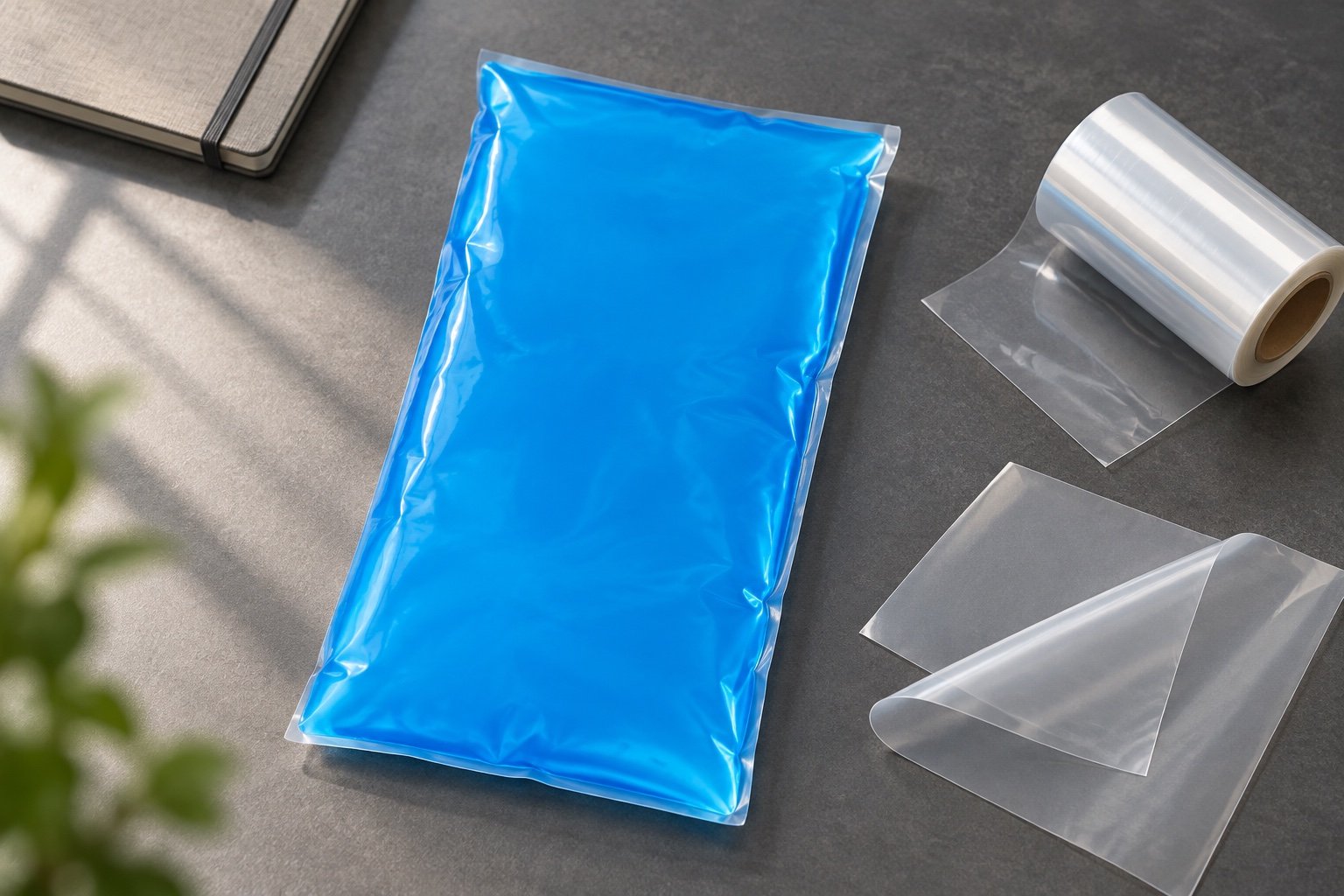
“TPU film” is not a complete ice-pack specification. Two films carrying that label can differ in grade, thickness, layer structure and the surface that actually forms the pouch seal. For a U.S. brand or procurement team, the useful question is not whether TPU is universally “better,” but whether a defined film construction can be converted into a filled pouch that meets the intended handling, appearance and quality requirements.
This guide focuses on the material-selection and approval decisions for reusable gel-pack pouches. It does not claim that every Cryozin product uses TPU, that any film is automatically medical grade, or that a material name guarantees a fixed cooling time.
On this page
What the buyer should mean by “TPU film”
TPU means thermoplastic polyurethane, but a purchasing line should go beyond the polymer family. Request the supplier’s grade identifier, nominal and allowed thickness range, construction (single layer or laminate), dimensions, color/finish, intended sealing surface and lot traceability. If a laminate is proposed, list each layer in order and identify which layer faces the gel and which layer is sealed.
Do not assume transparency, softness, toughness or heating suitability from “TPU” alone. Those outcomes depend on the selected formulation, gauge, construction, process and finished pouch. A sample roll is useful for screening; the approved article should be the filled, sealed pack made with the intended materials.
Choose by the finished-pack job
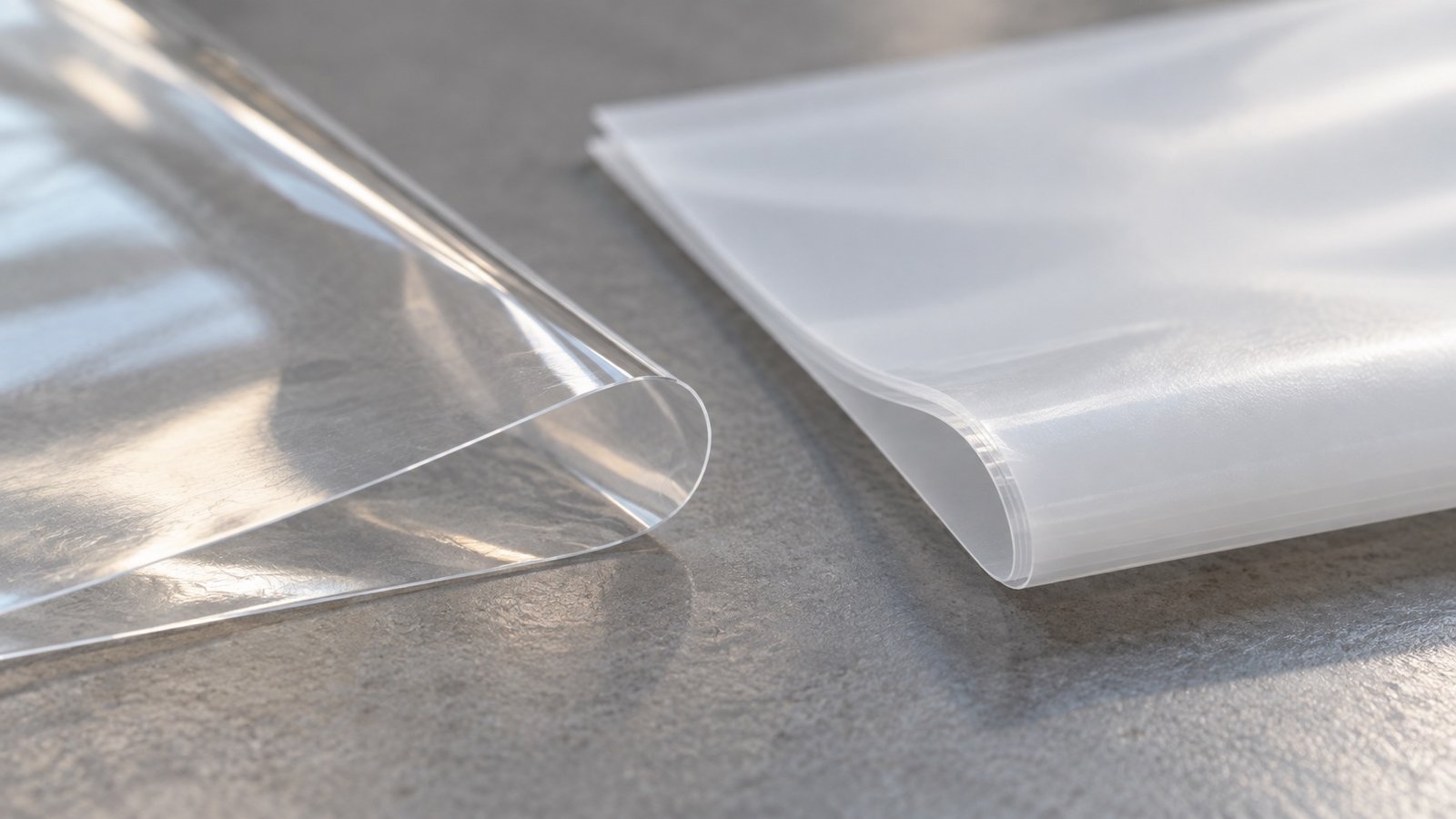
Start with the end use: a flat reusable pouch, a segmented insert for a wearable wrap, a shaped consumer pack, or a component inside another textile product. Define the dimensions, fill, intended conditioning, expected handling, contact materials, target market and relevant instructions. A film that appears acceptable in a flat swatch may behave differently at a rounded corner, fill port or multi-chamber junction.
Then decide which trade-offs matter most for this project: feel, visual clarity, print or decoration, sealing process, cold-state flex, puncture/tear resistance, cleaning exposure and total converted cost. Do not substitute a single “premium material” label for a ranked list of requirements. Cryozin’s material-selection resource provides the broader commercial path; this article stays with TPU-film evidence.
Questions to ask the film and pouch supplier
What is the exact construction?
Ask for a data sheet tied to the grade and film form you would order. Record the thickness distribution, width, roll format, layer stack if any, gel-facing surface and any additives or coating relevant to the intended market. If a vendor proposes a substitute, require a new comparison and sample approval rather than treating a polymer-family match as equivalent.
How will the actual seal be made?
Heat sealing, radio-frequency welding and other processes are not interchangeable promises. The material, equipment, seam width, geometry and process window have to be evaluated together. The RF-welding compatibility guide explains why a successful test on one structure cannot be generalized to another. If film thickness is still open, resolve it through the film-thickness specification guide rather than guessing a universal gauge.
Which results would count as approval?
Define the methods, sample count, conditions and acceptance limits in the project plan. For thin plastic sheet, ASTM D882 describes tensile-property measurement; its results depend on factors such as specimen thickness and preparation. ASTM F88/F88M addresses seal-strength measurement of flexible barrier materials. These are methods for defined questions, not certificates showing that an ice pack is leakproof or suitable for every use.
For gross-leak screening, ASTM F2096 describes a bubble method using internal pressurization. Its scope is gross leaks in packaging; it is destructive and should not be presented as an all-purpose quality guarantee. Specify the method only when appropriate to the pouch and inspection plan, then evaluate the filled pack under relevant handling and storage conditions.
TPU versus another film: compare systems, not names
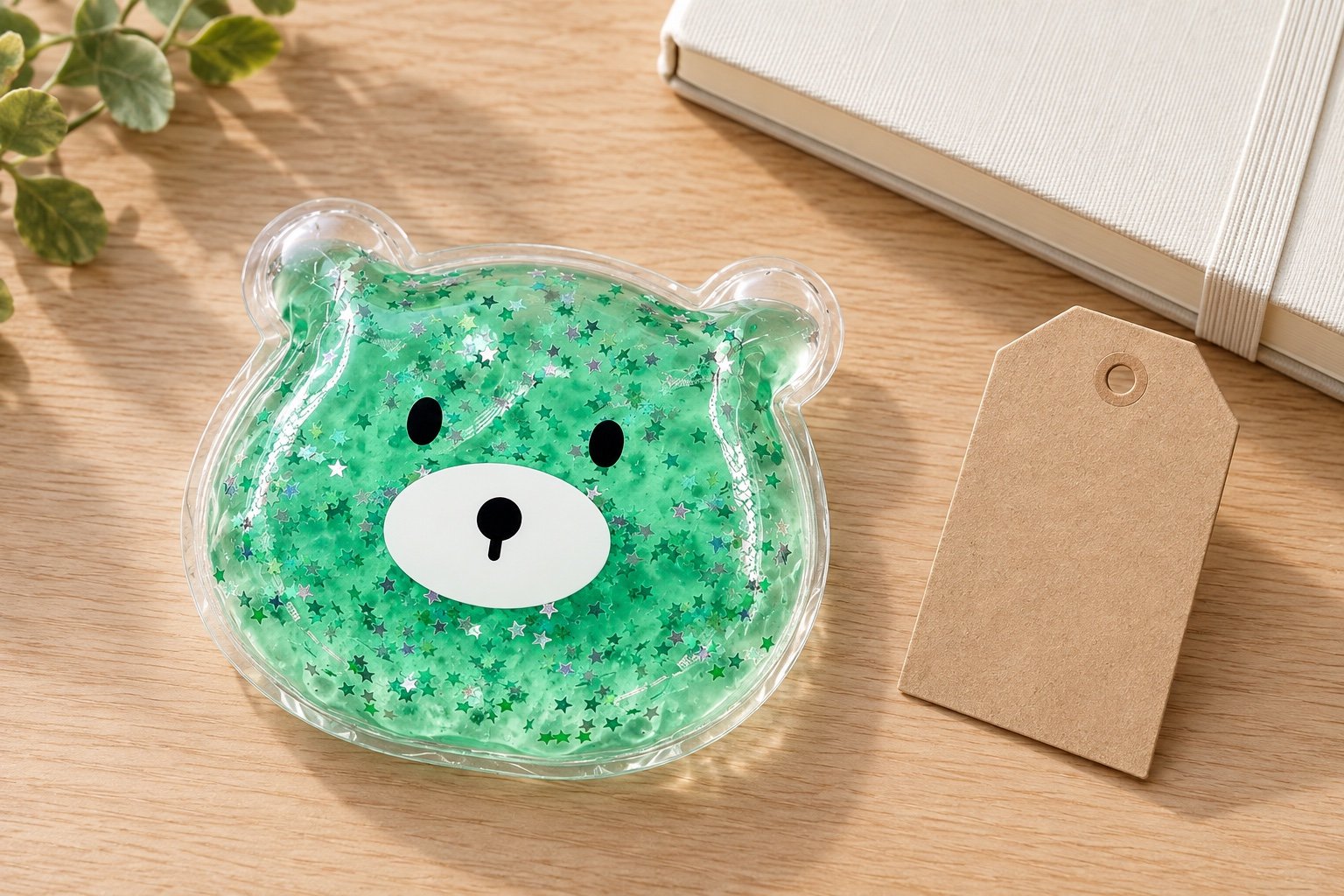
A fair comparison uses the same pouch drawing, fill, target market and test conditions. Ask each candidate supplier to state what is being held constant and what changes. Compare the delivered film and converted pouch, including process setup, expected waste, decoration, seal performance and inspection burden. A lower roll price may not mean a lower approved-unit cost; a more expensive film may not add buyer value if the project has no need for its specific properties.
Keep the comparison specific. For example, a TPU candidate and a PVC candidate should not be declared equivalent because both are clear and flexible in room-temperature photographs. Nor should one be declared universally safer or more sustainable from its name alone. Compliance and environmental claims require evidence for the actual formulation, product configuration, disposal route and destination market.
What a Cryozin buyer approved after a material change
One buyer needed a pack that would still bend after freezing. Cryozin sampled a change from PVC with standard gel to TPU with cold-flexible gel. The buyer approved the finished pack based on its ability to bend after freezing. For a similar project, state the feel or movement you need from the conditioned pack, then approve the exact film and gel combination used in the sample.
A practical TPU-film RFQ checklist
- State the finished pack shape, size, chamber layout, fill and intended use.
- Request the exact TPU grade, structure, thickness range, surface orientation and lot ID system.
- Define the intended welding or sealing process and required production trial.
- List the measurements and finished-pouch tests, with agreed conditions and acceptance limits.
- Clarify print, color, label and packaging requirements before approving the film.
- Ask how substitutions, specification revisions and nonconforming rolls will be handled.
Leave unknown values open for technical review; do not copy an unverified competitor thickness or temperature figure into the purchase order. The custom ice pack specification template can capture the approved construction, while the leak-testing overview separates detection methods from marketing claims.
Frequently asked buyer questions
Is TPU always the best film for reusable ice packs?
No. The right construction depends on the pack’s shape, fill, process, expected handling, budget and destination requirements. Compare finished samples against one written specification.
Does a higher tensile number prove the pouch will not leak?
No. Tensile data characterize a material under a defined method; leak resistance also depends on the converted pouch, seams, fill, handling and inspection conditions.
Can one approved TPU film be substituted for another?
Not automatically. Treat a new grade, gauge, layer or supplier as a controlled change. Review data and test a production-intent pouch before release.
Buyer takeaway
TPU is a material family, not a pass/fail result. Approve the exact film structure and finished pouch against documented methods and project-specific limits. That gives procurement, product development and quality teams a shared basis for evaluating alternatives without overstating what the material label proves.
Evaluating a custom gel-pack construction? Send Cryozin the pouch drawing, intended fill and use, target market, proposed film grade, sealing requirements and desired evidence through the RFQ/contact page. Feasibility and any product-specific claims should be confirmed for the approved configuration.
Sources and further reading
- ASTM D882 — tensile properties of thin plastic sheeting.
- ASTM F88/F88M — seal strength of flexible barrier materials.
- ASTM F2096 — gross-leak detection by internal pressurization.
