
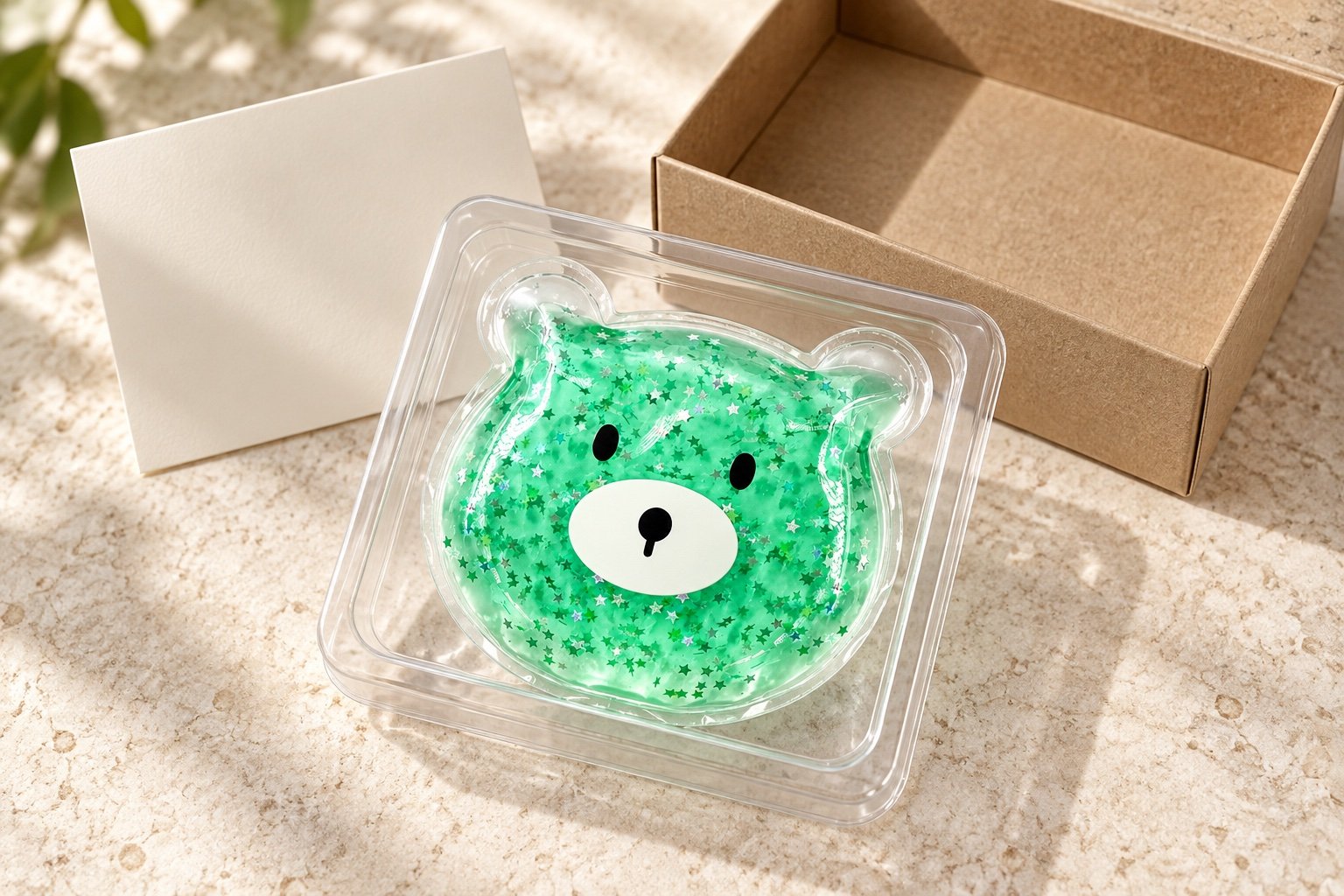
A thermoformed tray is worth considering when a shaped compartment solves a real retail packaging problem: keeping a gel pack in place, separating accessories, or presenting a kit clearly. If a paperboard insert or simple bag already does the job, new tray tooling may add complexity without enough benefit. Good thermoformed packaging design starts with that choice, not a plastic outline.
This guide uses reusable ice packs as the design case. It covers non-sterile retail and kit packaging—not an insulated cold-chain shipper, the gel-containing pouch, or a medical barrier. Specific packaging availability and supplier responsibilities require confirmation; no in-house Cryozin thermoforming capability is implied.
On this page
What is thermoformed packaging?
Thermoforming shapes a heated plastic sheet over or into a tool, then trims the formed part. Packaging formats include trays, clamshells, and blister constructions; Dordan’s process and design overview explains that manufacturing sequence. For a flexible gel pack, the practical question is how the finished package supports the filled product and lets the customer take it out. A tray placed inside a carton is not the same complete package as a sealed blister.
When is a tray better than an insert or bag?
Begin with the problem the package must solve. Is the pack moving inside the carton? Does a retailer need a clear presentation? Are a sleeve, straps, and instructions becoming mixed together? A formed tray is one possible answer, not the automatic premium choice.
- Thermoformed tray: consider it for a shaped compartment or separate positions for a pouch, straps, and instructions. Ask whether that organization improves the actual pack-out enough to justify tooling and extra handling.
- Paperboard insert: compare it when folded support can position the product within a carton. Check the loaded structure, humidity conditions relevant to distribution, and removal route; do not assume either material protects better without a complete-package comparison.
- Bag or simple sleeve packaging: compare it when the outer carton already controls movement and a shaped display is unnecessary. Confirm that instructions and accessories remain organized and the packed seal is not stressed.
The broad private-label packaging guide addresses the overall packaging route. This article narrows the decision to formed-cavity fit, handling, and the handoff needed to approve a tray.
Can a stock tray work, or do you need a custom tool?
Ask for a suitable existing tray before commissioning a new tool. Compare it with the actual filled pack and accessories, including the space needed to grip the product. A stock cavity that is close in length and width may still have the wrong depth, corner shape, or support points.
Consider a custom cavity when the stock option cannot meet the agreed positioning or removal requirements. Freeze the product configuration before tooling approval: changing pouch size, fill thickness, straps, or the carton afterward can change the fit. Have the quote distinguish an existing part, a modified design, and a new tool; there is no universal cost advantage without comparable scope.
How do you size a tray for a flexible ice pack?
A flexible gel pouch has thickness and a perimeter seal. Its shape can change with orientation and preparation. Provide the packaging supplier with the approved filled sample and dimensioned drawing, including any protruding fill area or seam that needs clearance.
Define the condition in which the product is packed and sold. If the retail tray only holds an ambient product, do not imply that it can be placed in a freezer or used as part of the cooling assembly. If a proposed workflow includes another condition, validate it separately and provide the corresponding instructions.
Specify which surfaces support the pouch and which features retain it. Look for pressure on a sealed edge, a concentrated contact point, or a cavity that forces the pouch into an unapproved fold. An attractive outline is not proof that the package avoids those problems.

Which design details prevent awkward product removal?
Review the cavity shape, rounded transitions, sidewall release geometry, flange, and trim line with the packaging engineer. These are connected decisions: a deep cavity can change material distribution, while the flange and opening sequence affect handling. The exact angles, radii, and clearances must be set for the chosen material, forming process, and product—not copied from another tray.
A formed sheet does not retain the same thickness everywhere. The SPE Thermoforming Division’s discussion of corners explains how stretching and corner geometry affect local wall thickness, and why sharp corners can be problematic. Use that general design principle to ask the supplier about the actual cavity and forming route; do not copy a universal radius or thickness ratio into the purchase specification.
For a gel-pack tray, examine the finished part where the pouch is supported, where the cavity changes direction, and around the trimmed perimeter. Ask for a drawing showing the cavity, flange, trim line, access recess, and the features used to release the formed part from its tool.
Have a buyer remove and replace the actual product using the intended opening sequence. The pack should not require pulling against an exposed trimmed edge or pinching its seal to get a grip. Agree on how removal observations will be recorded; this is a product-handling check, not a claim of compliance with a named accessibility standard.
Which plastic should the tray use?
A clear tray is not a material specification. Request the resin identity and grade, sheet construction, nominal starting gauge, relevant formed-part thickness locations, color, surface finish, and any coatings or adhesives in the complete package.
Ask what changes if a supplier proposes recycled content or an alternative resin. Appearance alone cannot establish that a replacement will form, trim, stack, or support the pouch the same way. Keep the approval tied to the specific material and process revision rather than the generic word “plastic.”
Documentation should match the intended contact and market. Non-sterile retail presentation does not establish a sterile barrier, food-contact approval, or suitability for freezing or heating. A tray used outside the pouch also does not supply evidence about the gel formulation or sealed film.
Approve the whole retail package and shipping pack-out
Include every item the buyer receives: pouch, cover, straps, instruction leaflet, tray, carton, labels, and outer shipping packaging. Identify whether flexible accessories sit in the same cavity or need their own position. A strap folded over the pouch can change package thickness and removal even if the gel pack itself is unchanged.
Check the loaded carton, rather than fitting an empty tray into an empty box. Confirm that the closure does not press the product into the cavity, that instructions remain accessible, and that labels stay readable through any clear cover. The carton dieline handoff guide covers artwork and fold boundaries; it should not be replaced by a tray drawing.
Then check how finished units pack into the shipping carton. Record units per carton, orientation, loaded dimensions, weight, cushioning, and the approved distribution scenario. Use the packaging drop-test planning guide when defining a relevant transit evaluation. Passing one handling sample does not establish protection across every shipment route.
What should a thermoformed packaging quote include?
A useful quote distinguishes the tray tool, formed parts, trimming, secondary packing, carton changes, samples, and any testing. Ask who owns the tool, how revisions are approved, which drawings control production, and what happens if the pouch size or accessory set changes.
Compare quotations on the same filled-product revision, tray specification, packing quantity, and delivery scope. A lower tray price can be offset by a larger shipping carton or more manual packing work. These are cost questions to resolve with the suppliers, not assumed savings or a published price estimate.
The packaging-cost quote guide covers the broader commercial comparison. This article’s approval should retain the cavity and handling evidence, rather than duplicating that cost guide.
Keep environmental wording specific
Do not approve “eco-friendly,” “fully recyclable,” or “sustainable” solely because a tray is clear, lightweight, or has a resin identification code. The FTC Green Guides summary cautions against broad unqualified environmental claims and explains the need to qualify recyclability when appropriate recycling access is limited.
For a U.S. sales program, document the proposed claim, the materials covered by it, how components separate, and the evidence relevant to the markets where the package will be sold. A recycled-content statement also needs support for the stated content and its scope. This guide does not certify a proposed package or settle its legal labeling requirements.
Use this tray approval handoff
Give the product and packaging teams the same brief:
- Purpose and boundary: retail presentation, kit organization, or transport support; non-sterile use and intended sales market.
- Filled product: pouch revision, dimensions, seals, accessories, and packing condition.
- Tray drawing: cavity, support surfaces, access recess, flange, trim line, tolerances, and revision.
- Material: resin, grade, construction, gauge, finish, and proposed alternatives.
- Whole package: carton drawing, labels, instructions, and opening/removal sequence.
- Distribution: unit pack-out, loaded outer carton, handling scenario, and agreed evaluation.
- Commercial scope: tooling, ownership, revision costs, parts, packing, and sample responsibilities.
- Release record: approved physical sample, drawing versions, observations, unresolved items, and required claim evidence.
Approve the tray only when the filled assembly meets the agreed checks. Revise if the cavity or removal route needs adjustment. Hold the release if material identity, product fit, or a proposed public claim remains unresolved. These are editorial development gates, not a record of a completed factory inspection.
Buyer questions
Is a thermoformed tray the same as a blister pack?
No. A tray can be a separate insert inside a carton. A blister-style retail package may use additional sealing or backing components. Name the complete construction, opening method, and supplier scope instead of using the terms interchangeably.
Can the tray replace the sealed ice pack pouch?
Not in this packaging brief. The pouch contains the fill; the tray organizes or supports that separate product. A different gel-containing structure would need its own development and evidence.
Does a custom ice pack require a custom tray?
No. Compare a suitable existing tray, paperboard insert, and simpler packaging against the actual product and distribution requirements before committing to new tooling.
Start with the filled product and packaging problem
Use the custom ice pack options to define the product first. Then send the filled-product drawing and tray approval brief to Cryozin to discuss the packaging scope. Tray availability, supplier responsibility, materials, tooling, and compatibility need confirmation for the project; this guide does not promise in-house tray manufacture.
Sources and further reading
- Dordan: Four thermoforming basics for package design — manufacturer explanation of the forming sequence and design vocabulary; not evidence about Cryozin facilities or specifications.
- SPE Thermoforming Division: Corners — general forming geometry and local thickness considerations, not a gel-pack-specific test specification.
- FTC: Environmental Claims, Summary of the Green Guides — scope and substantiation of environmental packaging claims.
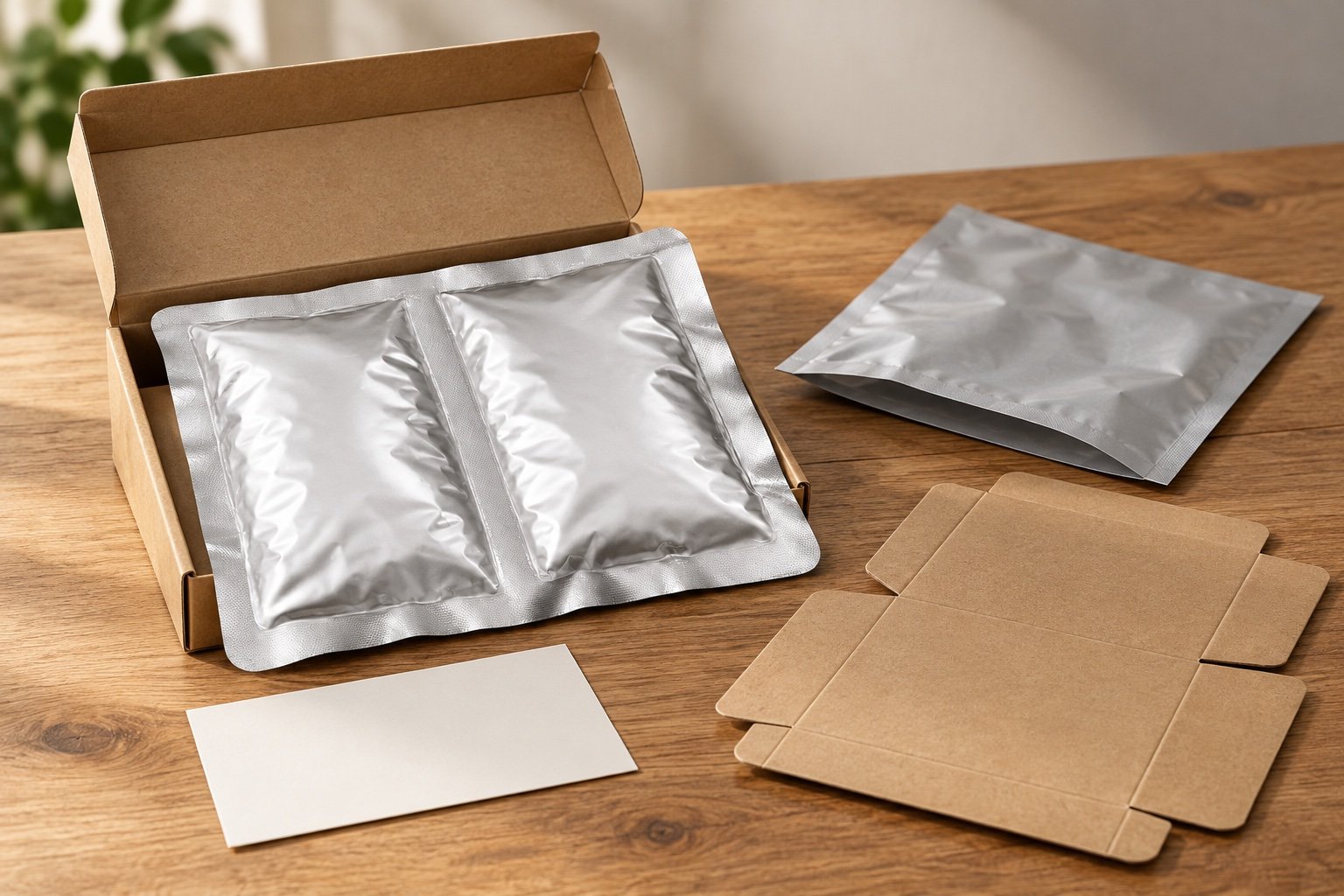
Scene images are editorial concepts based on catalog references, not evidence of a factory, customer project, test or approved configuration. Catalog images illustrate visible product form only.
