
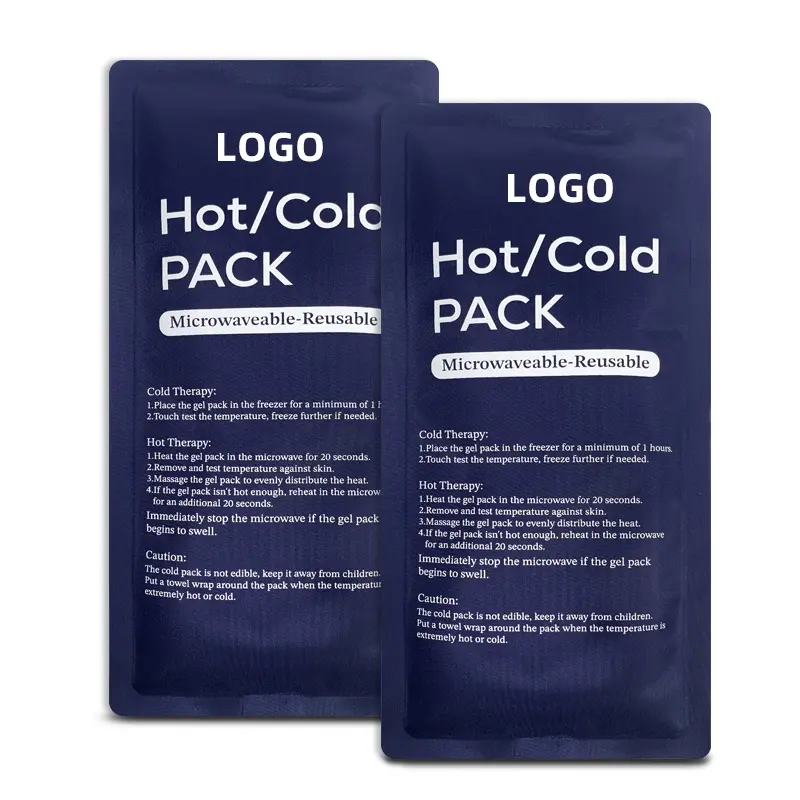
When several physical therapy clinics share a purchasing account, the first question is which cold packs every location can use. A chain-wide order becomes difficult to replenish when branches use different product names for the same pack, substitute incompatible covers, or count a two-piece kit as two complete units.
Build the order around a shared list of professional ice packs for physical therapy, then allow exceptions where a location can name a different fit, storage, or preparation requirement. Use the first shipment to confirm what actually fits each site before committing the same mix to later orders.
On this page
Build a shared SKU list with room for local exceptions
Ask each site to submit the cold packs it currently uses, the number it can condition and store, and the covers or straps it already has. Attach the model or a photograph of the product label where possible. Product names such as “large blue pack” do little to establish compatibility across branches.
The APTA Private Practice equipment checklist lists ice packs and a small freezer as separate items. For a multi-site order, record both the proposed stock and the usable storage at each location. A larger order will not solve an incompatibility with shelves, covers, or the local preparation procedure.
| Stock decision | What headquarters approves | What each site confirms |
|---|---|---|
| Standard flat pack | One catalog reference and filled size, with any supplied cover listed in the order. | Fit in available storage and compatibility with its agreed covers and handling routine. |
| Local wrap or contour | A separate SKU and approved sample when the site needs a different shape or retention system. | The specific fit or positioning requirement that the standard pack cannot meet. |
| Replacement components | A separate line for each orderable insert or cover and its compatible assembly revision. | Which part is used up, damaged, or missing. Count a complete kit separately from its insert. |
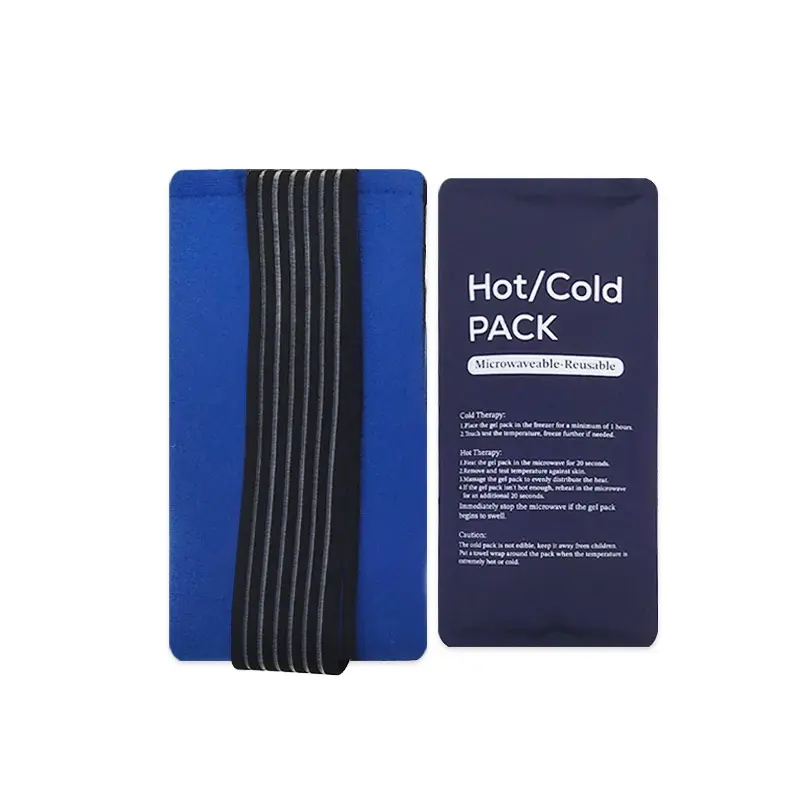
For physical product references, compare a long nylon gel pack with a removable gel pack with a mesh sleeve and band. One is a pack format to check against the clinic’s own setup. The other adds components that need their own identifiers. See the physical therapy ice pack selection guide for the trade-offs between flat packs, wraps, and removable systems.
Separate branch allocation from the supplier’s order minimum
Start with a pilot allocation. In a planning example, three branches need 12, 18, and 20 units of the same flat pack. Headquarters sets aside 10 for replacements. The allocation is 60 flat packs. A branch’s request for eight wraps is a separate SKU and does not become eight more flat packs. These figures illustrate allocation. The supplier’s minimum and selling unit belong on the quote.
At Cryozin, regular unprinted styles typically start at 500 pieces per style, and regular printed styles start at 1,000 per design. Confirm the exact configuration and sales unit for a wrap or set. If the pilot is below the factory minimum, use samples to verify fit and the order configuration before making a group-wide commitment. Discuss stocking, bulk quantity, and delivery separately.
Use one line per branch and item, then total only lines that share the same SKU, configuration, and sales unit. In the order request, state whether the cartons go to headquarters or are proposed for separate site deliveries. Confirm the supplier’s shipping scope in the quote.
For many of Cryozin’s multi-site clinic orders, buyers use FOB and arrange onward delivery to the branches separately. At quotation, confirm who will handle branch delivery and whether the factory needs to mark the cartons by location.
For a large order under FOB terms, a buyer’s nominated forwarder provided the allocation sheet for one SKU going to multiple destinations. Cryozin packed the allocations separately and marked the cartons to match the sheet. Include the allocation and carton marks in the handoff to the forwarder.
Copy this multi-site ice pack order sheet
| Field | What to fill in |
|---|---|
| Site and item | Location or central reserve [____]. Approved product reference and revision [____]. |
| Selling unit | Individual pack, complete wrap, or set [____]. Components per unit [____]. |
| Quantity and condition | First allocation [____]. Replacements [____]. Usable conditioned storage at this site [____]. |
| Order basis | Supplier MOQ and pricing unit [____]. Delivery destination and carton labels [____]. |
| Proof and follow-up | Reference sample [____]. Site approver [____]. Date to review stock after rollout [____]. |
Check the delivered unit before repeating the order
Have the receiving team compare the first carton with the approved item reference and component count. A complete wrap, a replacement insert, and a cover can look similar in an order spreadsheet. Put the replacement item ID and pack count next to the approved assembly in the receiving record so a branch can reorder the intended component.
Ask branches to report the actual reason for repeat demand. An increase in use may call for more complete packs, while missing or worn covers point to a separate component. If a branch needs a new fit or preparation routine, review the change against the approved specification before consolidating it into the repeat order.
Request a quote for the approved formats
Send the shared item list, quantity by SKU and selling unit, site allocation, and any print or carton-label requirements. Mark the configurations that still need a sample. Cryozin can review those inputs for a bulk ice pack order and confirm the applicable MOQ and quote scope.
