
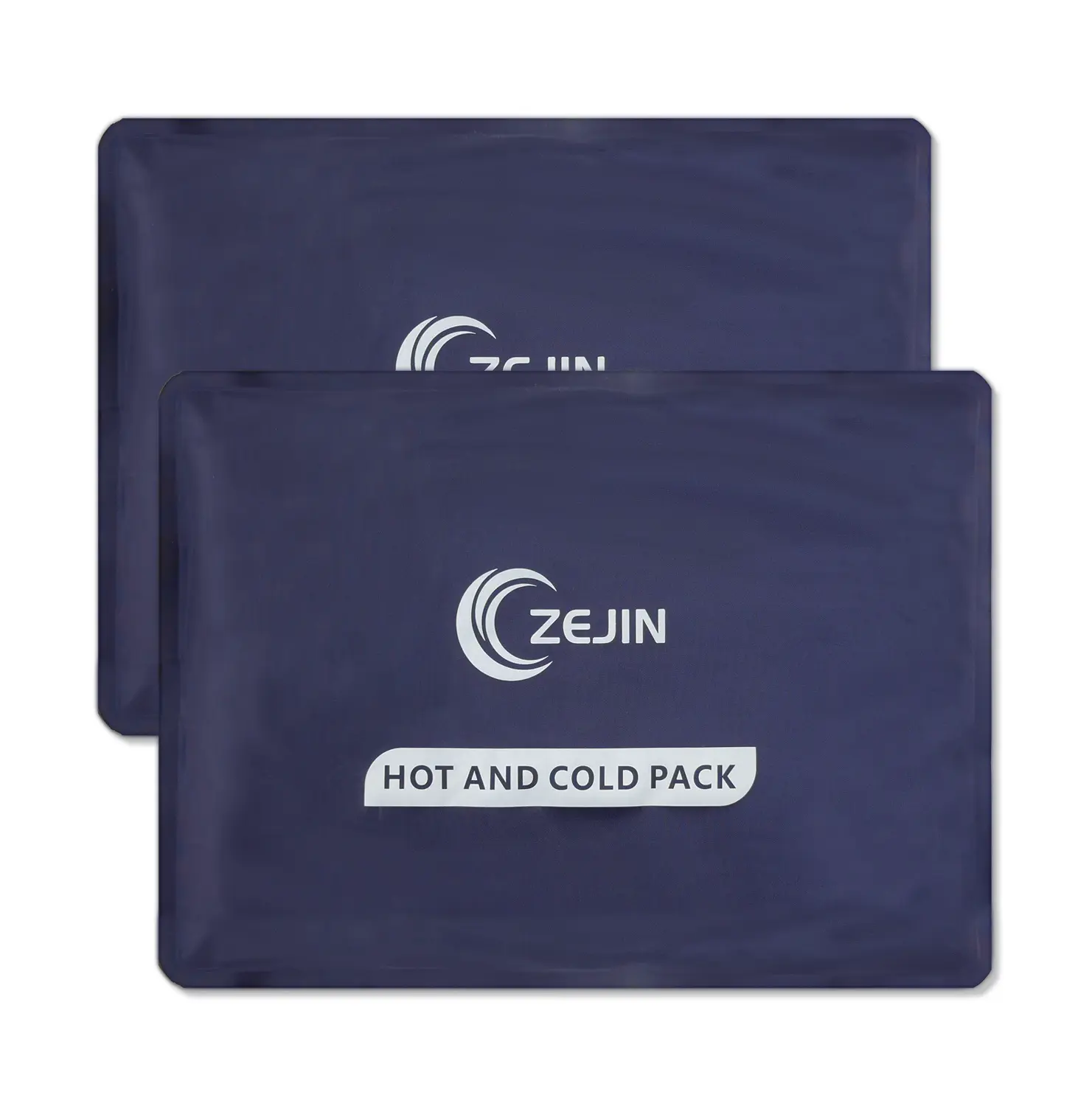
Start an athletic training room equipment order by checking what the room already has. List the fixed stations, assessment and rehab tools, recurring supplies, cold storage, and stock that travels with teams. Record the emergency equipment separately using your institution’s approved list. Then use the cold-pack worksheet below to work out how much reusable stock each location needs.
This checklist is for school athletic departments, clubs, and sports medicine distributors. Use it with the athletic trainer or program lead to build an opening order, restock an existing room, or specify reusable cold packs for multiple sites.
On this page
Athletic training room equipment checklist
The National Athletic Trainers’ Association’s secondary-school planning guide includes different start-up lists depending on the program’s needs. Its examples cover items such as treatment tables, access to ice, secure storage, and a medical bag. Use those categories to structure the equipment conversation with staff and align the final order with the site’s protocols and available space. Copy the table for each room or team. Fill in the quantity and order unit, then mark each row as on hand, to order, or not applicable. For a practical example of tracking item sizes and order units, see one school’s athletic training supplies order sheet.
| Equipment or supplies | Examples and checks | Quantity | Have or order |
|---|---|---|---|
| Fixed stations | Treatment tables, taping benches, and storage. Confirm footprints, clearance, delivery access, and the assigned location. | ___ units | ___ |
| Assessment and rehab | List the tools and rehab supplies your athletic trainer approves. Record sizes, resistance levels where applicable, and the quantities already available. | ___ units | ___ |
| Taping and cleaning supplies | Tape, underwrap, and approved cleaning supplies. Record roll widths, units per case, storage, and who reorders. | ___ rolls or cases | ___ |
| Cold preparation and storage | Ice access or approved cold-pack storage. Confirm the equipment location, capacity, and space for ready and returning packs. | ___ units or bins | ___ |
| Reusable cold packs | List the pack size, shape, and sample reference. Record separately quoted covers, inserts, and straps where applicable. | ___ packs or sets | ___ |
| Away kits and field stock | Use a separate line for each team or venue. Confirm what the host provides, the case or bag capacity, and the return location. | ___ kits or units | ___ |
| Emergency stock | Use the institution’s approved list. Record the designated location, staff access, and person responsible for the inventory check. | ___ per approved list | ___ |
Keep emergency equipment on the program’s approved list, with ownership and access recorded separately. For travel, confirm supplies with each venue. The University of Rochester’s visiting-team instructions, for example, identify items provided by the host and items visiting teams should bring. Ask for the current host list before building the away kit.
Specify reusable gel packs for room and field stock
Before you order reusable gel ice packs in bulk, decide which format belongs in the room, which will travel, and whether the same stock can cover both. A rectangular pouch can be a starting point for general room stock when it fits the approved storage and handling setup. A shaped pack or a wrap is worth comparing when staff need a particular coverage area or an approved fastening arrangement. Confirm the full unit if a sleeve, strap, or separate insert is part of the quote.
Compare samples using the preparation method specified for each product. Record filled length and width, usable coverage, how the pouch handles in its prepared state, what staff need to clean, and where the pack goes after use. Compare a filled sample with the actual storage bin, cover, or transport container. If the supplier offers several constructions under one product name, record the exact sample reference with your order.
For an existing Cryozin model, start with a free unprinted reference sample, with freight paid by the buyer. Check its fit in the approved bin and any specified cover. If a team needs its logo on the pack, request a separate branded sample quote. Cryozin uses the same print process for sampling and production. A solid-color mark can be considered for screen printing. For gradient artwork, ask whether the selected nylon surface supports digital printing. Approve the filled pack, artwork, any cover or strap, and the packed unit together.
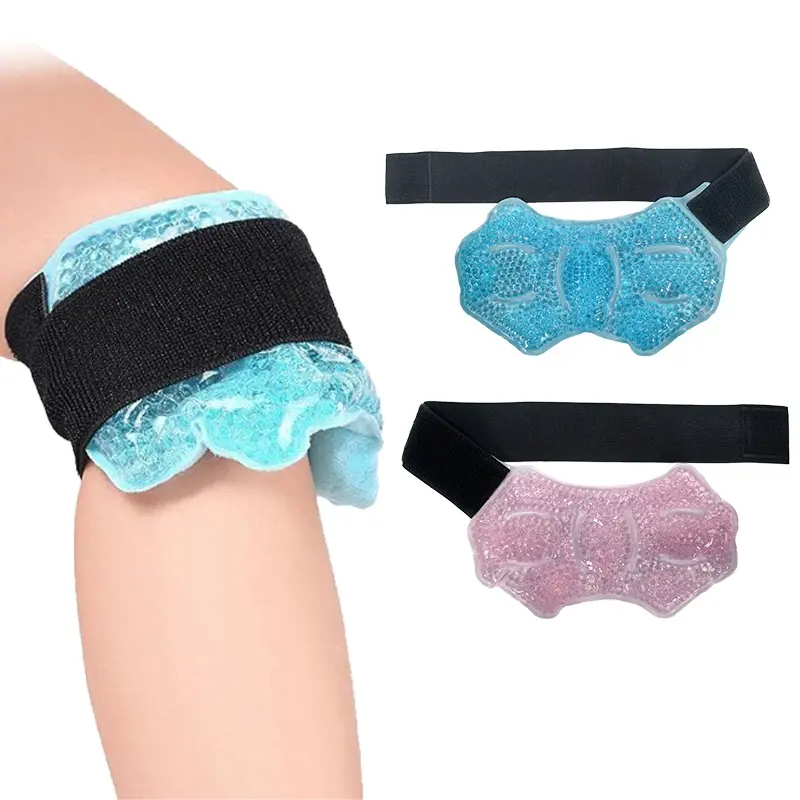
A 38 × 29 cm reusable nylon gel pack is one option to evaluate for room stock. Compare it with your available bin space before assigning the same format to an away kit. For a more detailed comparison of shapes, coverage, and covers, use our cold-pack format comparison.
Plan cold-pack replenishment by location
Count how many packs must be ready during the busiest overlapping sessions. Add any units that will still be returning, being cleaned, or being prepared while the next group needs stock. Set aside the units needed for any team that is traveling at the same time. Count each physical pack once and compare the total with the space available under your program’s approved storage routine.
Example. A room needs six packs ready during its busiest period. Four more are typically out of circulation at that same time, and one team has two units reserved for a trip. That gives the buyer a starting count of 12 units before any buffer for damage or replacement. The example illustrates the method. Use your own inventory and turnaround observations to set the final quantities.
Use one issue-and-return entry whenever a kit leaves the room: kit reference, destination, departure date, model and quantity issued, person receiving it, and expected return location. On return, record the quantity received and separate missing or damaged units from stock awaiting the program’s approved care and preparation steps. Returning stock should not be counted as ready solely because the kit is back in the building.
For an opening order, rehabilitation buyers may request samples for several body areas. A repeat order can be narrower. Institutional buyers have returned for spare inserts or larger packs, sometimes ordering only one or two sizes at a time. On the replenishment sheet, list each replacement insert against its original pack or cover and note the size and quantity being reordered.
Use the stock count to plan distribution. For a factory order, group locations that use the same approved model and print design, then check the order quantity against the applicable minimum. Cryozin’s regular formats start at 500 pieces per unprinted style or 1,000 pieces per printed design. If schools require different logos, list quantities by design. A shared unprinted pack with site-specific labels on the storage bins is another option when the pack itself can stay plain. Confirm the minimum and selling unit for the chosen pack or pack-and-cover configuration before ordering.
| Field | What to record |
|---|---|
| Site and owner | Room, team, or travel kit, plus the person who checks stock and submits replenishment orders. |
| Peak demand | Units needed ready at one time, units unavailable during that period, and any separately assigned away stock. |
| Pack configuration | SKU or sample ID, dimensions, pouch and fill, and any approved cover or insert count. For a supplied kit, list every included component and its count under that kit reference. Quote loose replenishment packs and spare components on separate lines; do not combine kit and individual-pack quantities. |
| Handling and storage | Preparation method, available bin space, return location, and the approved care or replacement instructions. |
| Order terms | Quantity per format, units per case, delivery locations, required date, and agreed substitute or reorder policy. |
Questions before placing a bulk order
Should the room and away kits use the same pack?
A shared format simplifies reordering if both locations can prepare, transport, and handle it as specified. Use separate stock counts when a team takes units off-site during room hours. Ask the host what is available before deciding how much the team should carry.
What should a distributor confirm before supplying multiple schools?
Ask each school to confirm its storage setup, case quantities, and any limits on acceptable substitutions. Approve the same sample reference with each participating buyer when you plan to supply a common format.
Request a bulk cold-pack quote
Send the pack format or sample reference, required quantity by site, delivery date, and whether you need a plain pack, branding, or a separate cover. That gives the supplier enough detail to discuss the sample, case count, and quotation with your purchasing team. Use the wholesale ice pack program to review how the bulk order is specified.
