
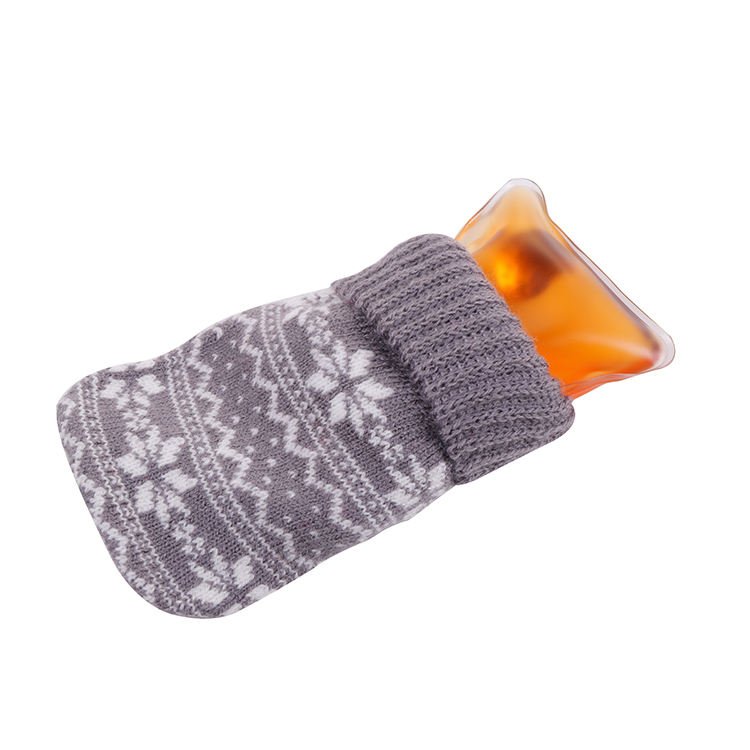
The main types of heat packs differ in how they are prepared, how they release heat, and what must happen before the next use. Common choices include reusable gel packs, grain-filled microwave packs, click-to-heat packs, hot water bottles, clinical moist-heat packs, electric heating pads, and single-use warmers.
For a brand or distributor choosing a product range, the first decision is the heating routine your customer can realistically follow. Choose that routine before selecting the fabric, shape, or logo. This guide compares the product families and shows what to include in a useful sample brief.
On this page
Seven heat-pack types at a glance
| Product family | Preparation route | Buying question |
|---|---|---|
| Reusable gel pack | External heating only by the method permitted for the selected product. | Are the pouch, filling, and instructions approved together? |
| Grain-filled pack | Microwave heating for products specifically designed for that process. | Are heating instructions and filling consistency adequately controlled? |
| Click-to-heat pack | An activator starts crystallization; the pack later needs its specified reset process. | Can the customer complete the reset, including handling the cover? |
| Hot water bottle | The user fills the container with water according to its instructions. | How will the filler, closure, handling, and leak checks be approved? |
| Clinical moist-heat pack | A purpose-designed pack and compatible heating equipment. | Does the buyer have the required equipment, handling routine, and covers? |
| Electric heating pad | A powered heating element with product-specific controls. | What electrical, controller, care, and target-market requirements apply? |
| Single-use warmer | Activation specified by the product; some warmers are air-activated. | Is the intended offer disposable, and are storage and disposal instructions clear? |
These families are not interchangeable, and this is not a list of seven confirmed Cryozin production lines. Cryozin’s routes discussed below are reusable gel products and click-to-heat products; other families provide a comparison for product planning.
Reusable gel packs: specify the whole heated assembly
A gel pack is a filling enclosed in a pouch; it is not a universal heating instruction. Some products are designed for hot and cold use, while others are cold-only. Film, seals, fill, printing, and any textile layer must be considered as one configuration before a heating method is approved.
The AAPM&R thermal-modality reference distinguishes hot packs from electrical and microwavable heating pads. That distinction matters to a buyer: similar-looking products may require different preparation and handling. Do not borrow another model’s microwave setting or heating time.
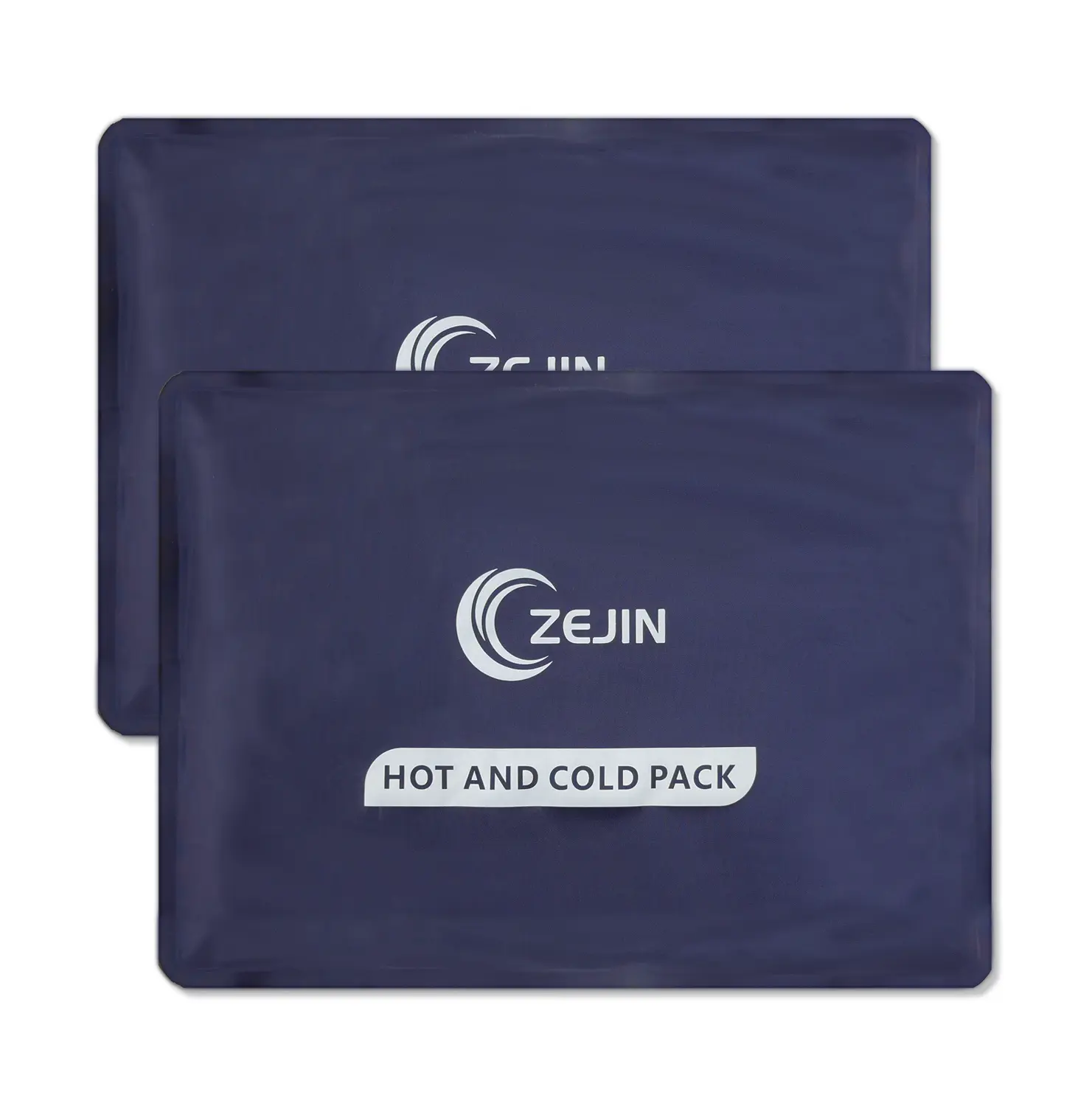
A rectangular nylon gel-pack format can be a starting point for a dual-use product discussion. Define the intended hot-use configuration, barrier, preparation method, and labeling during development. The catalog photograph is a construction reference, not a heating validation record.
Click-to-heat packs: convenient activation, separate reset
A click pack stores a liquid system that crystallizes when triggered, releasing heat. The general mechanism is described in research on sodium acetate phase-change heat packs. That paper studies particular formulations; its temperatures, ingredients, and performance should not be transferred to another manufacturer’s finished pack.
The buying difference is the two-part routine: activation when warmth is needed, then the specified reset before reuse. Ask how the customer accesses the activator, handles the product during reset, and knows when it is ready for storage. Do not market the pack as electrically rechargeable or assume the textile cover goes through the same reset process.
Compare a bare pouch with a click pack supplied with a removable knit cover. They are different selling units. The cover changes presentation, handling, and the contents that must be itemized in the quote. For the underlying mechanism, see the separate sodium acetate product guide.

What changes with the other heat-pack families?
Grain-filled microwave packs
These offer a different filling and preparation route from a sealed gel pouch. For buyers, filling consistency, heating instructions, storage, and the finished cover deserve attention. Nottinghamshire Fire and Rescue Service’s wheat-pack guidance identifies overheating and use in bedding as fire risks. This warning concerns wheat-filled products; it is not a test result or a heating recipe for gel or click packs.
Hot water bottles
The user adds the heating medium, so the filling opening and closure are central product features. Ask how the bottle is handled during filling, how the closure is checked, and what cover and instructions are supplied. Compare the empty bottle’s shipping configuration with the filled product’s handling needs; neither dimension alone describes the complete use routine.
Clinical moist-heat packs
A clinic may already operate equipment for a specific pack system. Check compatibility with that equipment and the manufacturer’s handling requirements before comparing a replacement by size alone. The pack, cover, heating equipment, and staff routine belong in the same purchasing decision.
Electric heating pads
A powered pad introduces components that a nonpowered pouch does not have: a heating element, power arrangement, controller, and associated care restrictions. A thermostat or timer is a feature to verify for the actual model, not an automatic guarantee of safe operation. This route requires a separate supplier and target-market review.
Single-use warmers
Disposable warmers are a different offer from resettable click packs, even when both are called “instant heat.” Clarify activation, intended use, storage, and disposal rather than relying on that shared phrase. They are included here to distinguish the product families, not as a confirmed Cryozin manufacturing capability.
Choose the preparation routine your channel can support
Begin with three questions: what equipment is available, where the product will be used, and who prepares it for the next use. A clinic with a defined equipment workflow, a home-use retail brand, and an outdoor gift program may need different product families even when all want a reusable warming product.
If the offer must work without power at the point of use, investigate a nonpowered format and its preparation requirements. If the customer cannot perform a reset, that limitation belongs in the selection decision. If the range needs both hot and cold options, confirm each capability for the chosen SKU instead of adding two icons to every package.
“Moist heat,” “dry heat,” and “reusable” describe different aspects of an offer. They do not identify the filling, activation method, or supplied accessories. Give the supplier the routine and intended configuration in plain language before discussing marketing claims.
For a request labeled “wet heat” or “dry heat,” write two separate descriptions: the preparation routine and the condition of the outer contact layer. Ask which heating equipment is named, which cover or barrier is supplied, and which components are removed or reassembled. Record whether that contact layer is intended to be dry, damp, or another defined condition; do not leave this implied by the filling name. Ask the supplier to identify the instruction version reviewed with the complete sample assembly.
A heat-pack selection brief buyers can copy
| Decision | What to specify | What to request |
|---|---|---|
| Heating route | Gel, click, or another clearly named family; equipment available to the intended user. | Product-specific preparation, reset, and storage instructions. |
| Contact and fit | Outline, filled dimensions, weight target, cover, straps, and expected positioning. List the contact-layer condition separately from the pack’s preparation route. | A sample of the complete proposed assembly. |
| Use cycle | Who prepares, handles, cleans, and stores each component. | An agreed evaluation plan for that routine. |
| Performance evidence | Starting conditions, measurement location, cover, surroundings, and agreed endpoint. | Applicable product-level evidence; a plan to obtain missing results. |
| Commercial unit | Number of packs, covers, accessories, instructions, and retail packages per unit. | A quote with those contents and customization costs separated. |
This is an editorial planning tool, not a standard test or proof that a sample has passed. A heat-retention claim needs its own conditions and records. A surface temperature, filling temperature, and skin-contact temperature are also different measurements; a buyer should identify which one a quotation or report describes.
Develop a focused reusable range with Cryozin
Start with one heating route and a small set of clearly differentiated formats. Cryozin’s click-to-heat product collection shows existing shapes and pack arrangements. A heart-shaped click pack, for example, introduces an outline and branding decision; the shape alone does not establish a heating duration or use instruction.
For a branded development project, use the OEM and private-label program to discuss materials, covers, artwork, packaging, and samples. Cryozin can review reference information and approximate dimensions, then assess the structure and development route. New dimensions or shapes can require a new mold, so settle the product outline early.
Send your heat-pack product brief with the preparation routine, market, complete unit, dimensions, and quantity. Ask for the applicable sample and validation steps before making a public performance claim.
Heat-pack selection questions
Is every reusable heat pack microwaveable?
No. Reusable describes repeated use, not the heating method. Follow instructions for the exact finished product and keep removable accessories within their separate care requirements.
Which heat pack lasts longest?
There is no reliable universal answer across these families. Compare the required operating routine and a defined temperature endpoint under the same conditions; do not compare an unspecified supplier slogan with a measured result.
Is a gel pack the same as a click pack?
No. A conventional gel pouch and a crystallization-based click pack have different preparation and reset routes. Ask for the filling system and activation method, not just the word “gel.”
Does Cryozin supply every type in the table?
No. This guide maps the wider product choices. The Cryozin routes described here concern confirmed reusable gel and click-to-heat development; electric, grain-filled, and disposable products are not presented as established production lines.
Sources and scope
Reviewed November 3, 2026. AAPM&R supports distinctions between heating modalities; the sodium acetate paper supports the crystallization mechanism; Nottinghamshire Fire and Rescue Service supports the wheat-specific safety discussion. None establishes Cryozin product temperatures, heating times, clinical outcomes, or certifications. Catalog images illustrate selected reusable formats only.
