
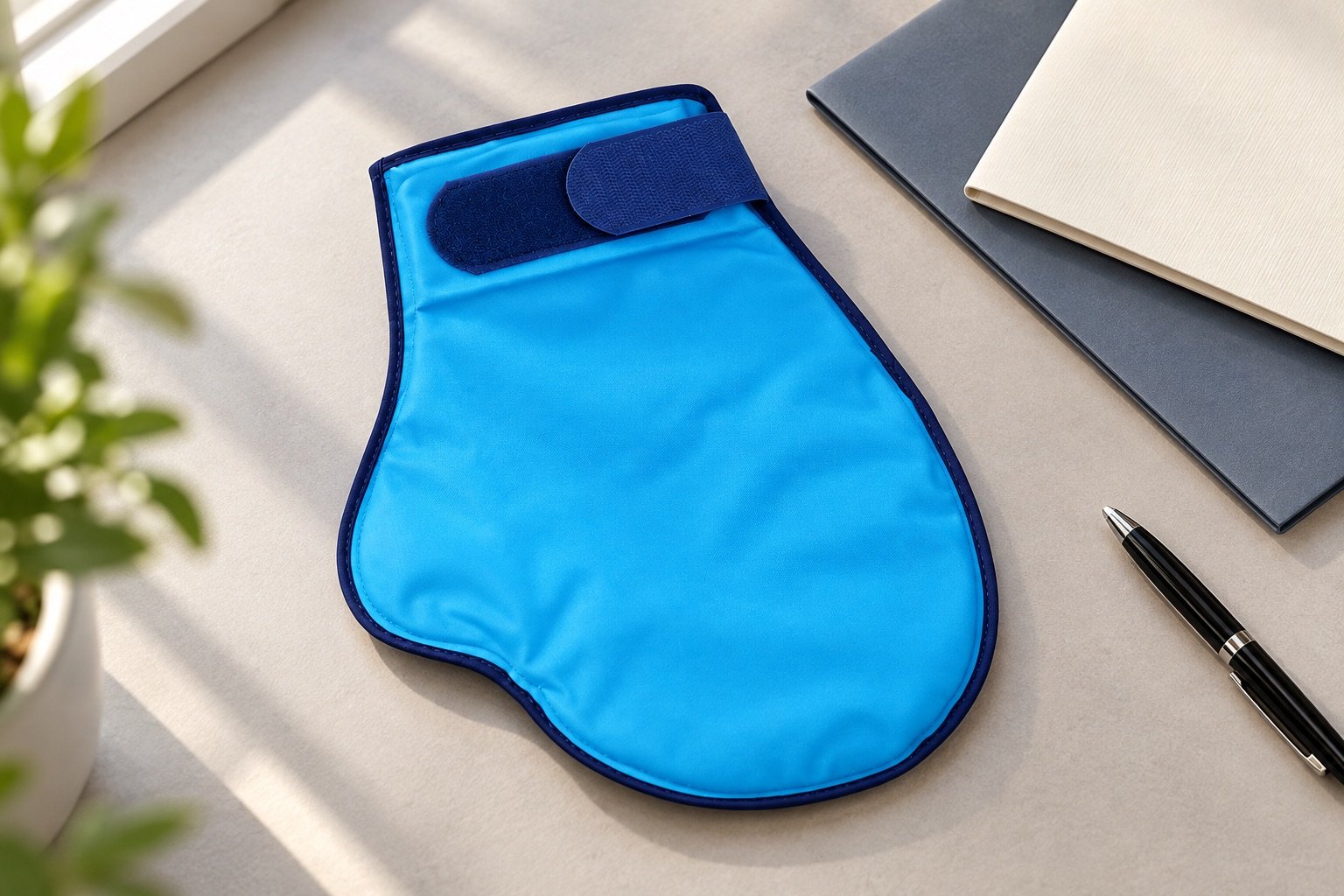
A purchase order (PO) comes from the buyer and specifies what the buyer wants to order. A proforma invoice (PI) comes from the seller and presents the proposed supply and commercial terms in invoice form. They can describe the same ice-pack order, but they serve different jobs. Neither should leave the other party guessing about quantities, included components or the approved specification.
This purchase order vs proforma invoice guide explains who issues each document, which may come first, and what to reconcile before moving a private-label or bulk ice-pack project forward.
On this page
Purchase order vs proforma invoice: the practical difference
| Question | Purchase order | Proforma invoice |
|---|---|---|
| Who issues it? | The buyer or its authorized purchasing team | The seller or exporter |
| What does it communicate? | The items, quantities and purchasing terms the buyer is ordering | The proposed goods, prices and supply terms the seller is presenting |
| What identifies it? | The buyer’s PO number and revision | The seller’s PI number, date and revision, with the buyer reference when available |
| What needs agreement? | Specification references, acceptance and any differences from the seller’s offer | Validity, included items, payment and delivery terms, and any estimates |
| Does it replace a final shipping invoice? | It serves a different purchasing purpose | Do not assume it replaces the commercial invoice needed for the shipment |
The U.S. International Trade Administration describes a pro forma invoice as a quotation in invoice format. Its guidance includes product details, prices, payment and delivery terms, estimated shipping date and validity. That is a useful starting point for a buyer’s review, rather than proof that an order is already accepted.
Document names alone do not settle contractual obligations. Check the applicable agreement, acceptance and conflicting terms with your purchasing or legal team. This guide addresses document coordination, not the legal effect of a particular transaction.
Which comes first: the PO or the proforma invoice?
There is no single sequence to impose on every supplier. Agree on the workflow before sending duplicate requests or treating an estimate as an approved order.
- PI first: the seller prepares proposed terms from an inquiry. The buyer reviews them, obtains internal approval and issues a PO referencing the agreed PI revision.
- PO first: the buyer issues a PO based on an agreed quotation. The seller responds with a PI or order acknowledgment. The buyer checks that response against the PO and resolves differences.
In both routes, keep the final agreed versions together. Ask who is authorized to accept the order, what remains subject to sample or artwork approval, and what event starts the quoted schedule. An email attachment named “final” is less useful than a dated revision with a clear status.

For ice packs, define exactly what one unit includes
A filled pouch, a pouch with a removable cover, and a retail set containing two pouches are different purchasing units. A brief description such as “blue cold pack” does not distinguish them.
Use a separate line or a precise set description for the pouch, cover, fastening parts and packaging. For paired hand products, state whether the quantity means individual mittens, pairs or retail sets. Identify any left/right configuration where relevant; do not infer it from a product photograph.
The ice-pack specification template helps record construction and approval references. Keep detailed artwork and test requirements in the controlled attachments rather than trying to squeeze the whole specification into one invoice line.
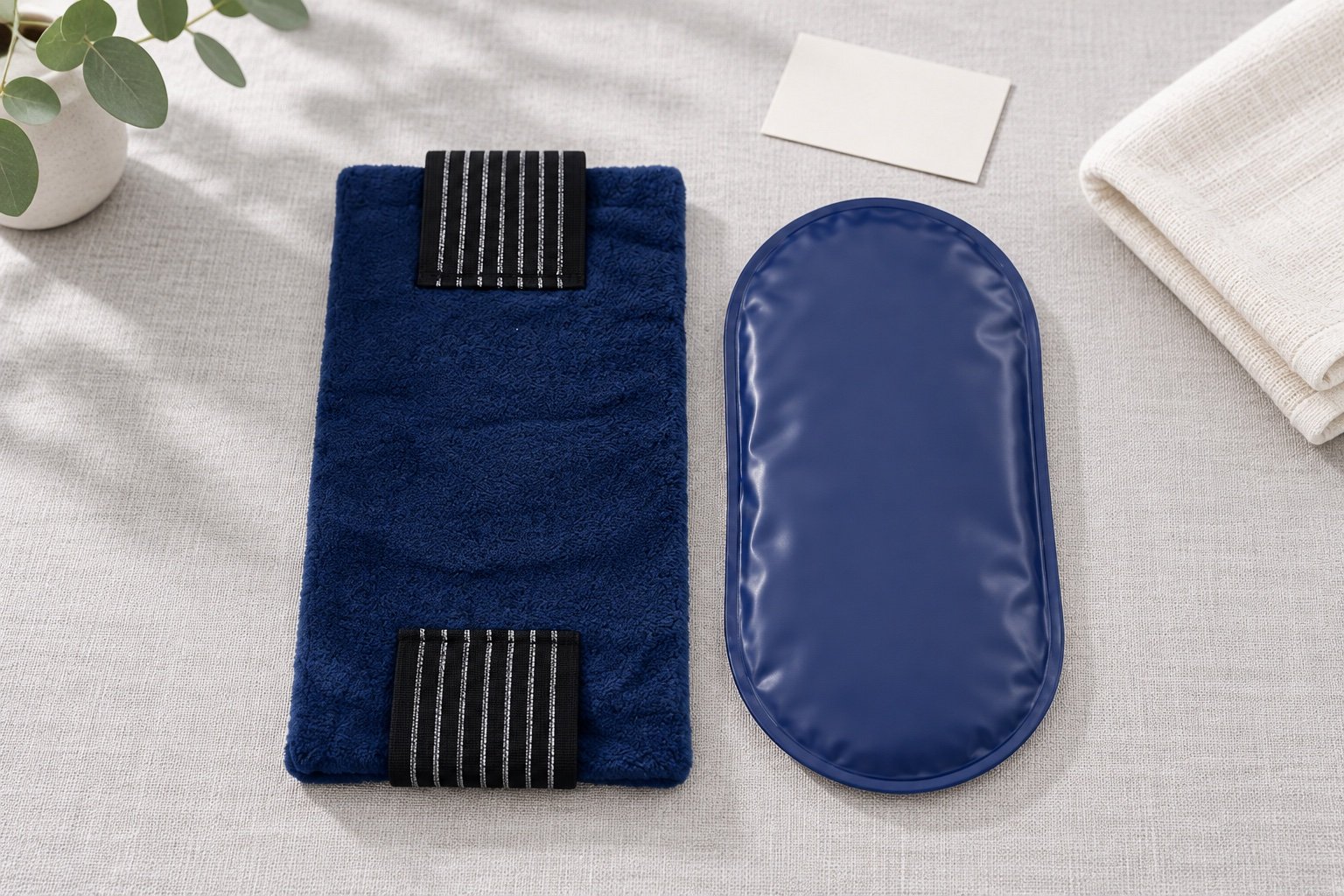
An eight-field PO and PI reconciliation card
Use this editorial checklist to compare the two documents side by side. Mark each field “matches,” “difference to resolve” or “not applicable,” and assign an owner to unresolved items.
- Parties and references: legal buyer and seller, billing and delivery addresses, PO number, PI number and current revisions.
- Product: SKU, drawing/specification revision, size, color and agreed sample reference.
- Selling unit: individual piece, pair or set; all included covers, straps and packaging.
- Quantity: units per SKU, unit of measure and any agreed quantity tolerance or split shipment.
- Price: currency, unit price, line totals and separately identified tooling, printing, packaging or other agreed charges.
- Delivery: named destination or delivery point, agreed trade term and version where used, estimated dispatch versus arrival, and who arranges each step.
- Payment and timing: agreed payment conditions, offer validity, schedule assumptions and the event that starts each clock.
- Approval and evidence: outstanding sample/artwork approvals, required inspection or document references, acceptance owner and recorded corrections.
Do not silently choose the more convenient number when the documents disagree. Request a corrected version and written acknowledgment through the agreed purchasing channel. If quantities or packaging change, revisit affected prices, freight inputs and timing before releasing the revised order.
A mismatch worth catching: pieces versus pairs
Suppose a PO requests 500 pairs of cooling mittens while a PI lists 500 individual mittens. The PO describes 1,000 individual mittens; the PI describes 500. Confirm the intended selling unit, then correct the quantity and commercial totals before proceeding. This is a hypothetical arithmetic example, not a Cryozin quotation or an approved MOQ in pairs.
Keep order paperwork separate from shipping paperwork
ITA’s export-document guidance distinguishes the proforma invoice, commercial invoice and packing list. Coordinate the actual shipment requirements with the importer and freight forwarder. A preliminary PI does not establish that the final quantity, shipment value or packing details are correct.
Institutional buyers may also have their own invoice process. For example, the University of Michigan instructs suppliers to invoice against the PO received. That illustrates buyer-specific workflow requirements; it is not a payment policy for Cryozin or every U.S. buyer.
Questions buyers ask about PO and PI paperwork
Are a quotation and a proforma invoice the same?
They may carry similar proposed terms. Check the actual scope, validity and revision rather than treating a different heading as a different approved offer. A proforma invoice is commonly used to present the offer in invoice form.
What if the buyer does not use purchase orders?
Agree on another controlled order reference and acceptance route. Still record the exact configuration, quantities, terms, approval status and current document version so the buyer, seller and receiving team can refer to the same order.
Does issuing a PO start production automatically?
Do not assume so. Confirm order acceptance and the project’s remaining approvals and commercial conditions with the supplier. A document date alone does not establish the agreed production start.
Resolve the differences before releasing the order
Use the PO to state the intended purchase and the PI to check the seller’s proposed terms. The useful result is one agreed order configuration with traceable references and no unresolved unit or revision mismatch.
For a Cryozin OEM or private-label ice-pack project, send the SKU list, selling-unit definition, specification references and destination. Identify the fields you need on the proposed order documents so the project conditions can be discussed clearly.
Images are AI-assisted editorial scenes based on catalog product references. They do not show actual orders, issued invoices or approved commercial terms.
