
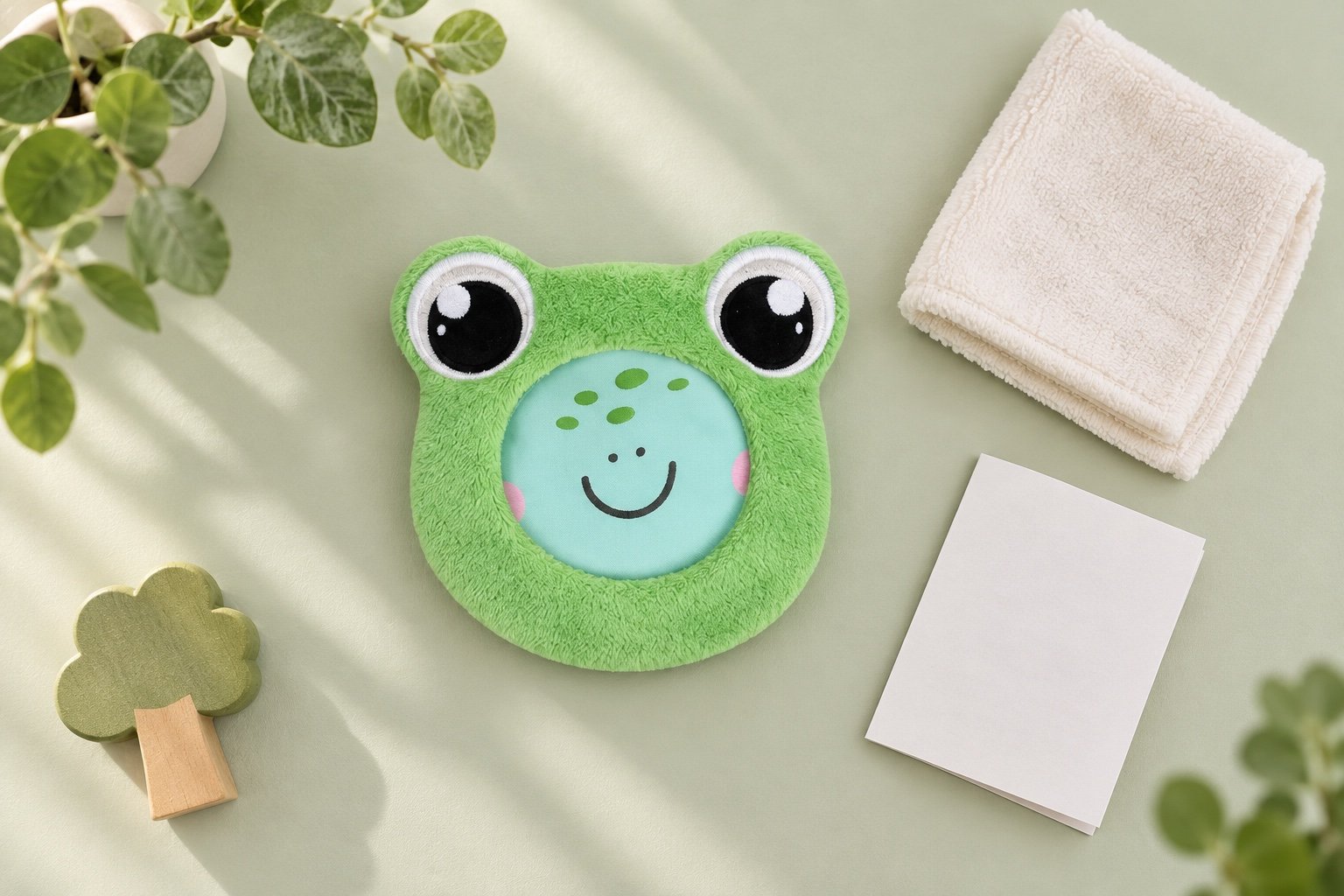
To clean a gel ice pack, first check whether the pouch is intact. An intact pack needs outside-surface care; a leaking pack needs replacement and a separate spill cleanup. If it has a removable fabric sleeve, clean the sleeve and insert as separate parts.
Inspect, remove the detachable cover, clean each part with its approved method, and dry fully before storage. When a sealed pouch allows mild soap and water, use a soft damp cloth and remove soap residue as directed. A washable cover does not make the gel insert machine washable.
On this page
Identify the part you are cleaning
- Smooth, sealed pouch: clean the outside. Leave the filling sealed inside.
- Removable sleeve or wrap: take out the insert and use the textile care label.
- Fabric permanently attached to the pouch: use the complete product’s care method; avoid trying to pull the layers apart.
- Split seam or puncture: stop using the pouch and handle the leak separately.
Rapid Aid’s maintenance guidance makes this distinction between fabric parts and sealed surfaces. If your label is missing, identify the model or order reference and request its current care sheet before selecting a cleaner.
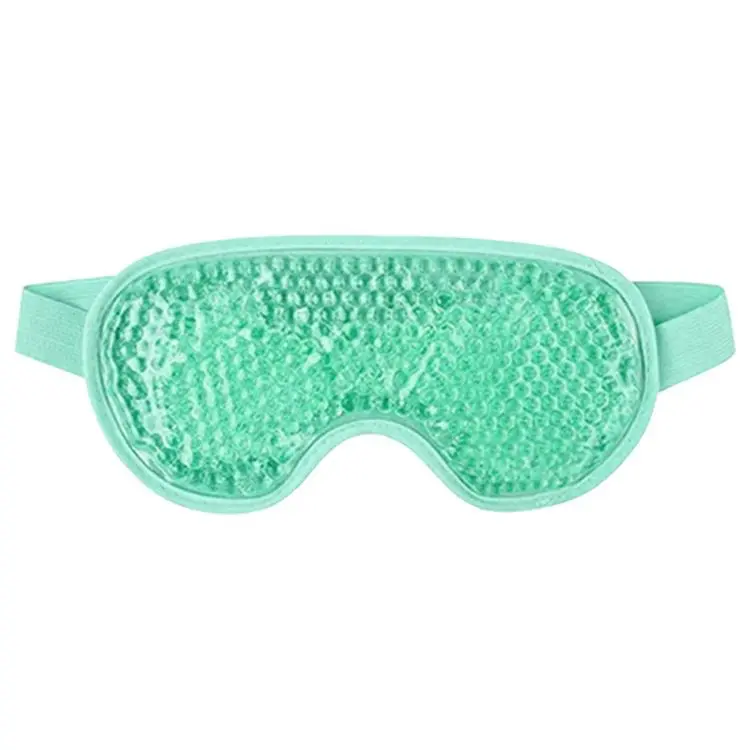
A gel pack with a separate sleeve and band illustrates why the pouch, carrier, and strap need separate care specifications. Confirm each component’s instructions for the selected configuration.
How to clean an intact gel pouch: five steps
This routine is for a pouch whose care directions allow mild soap and water. Use a different procedure when the product specifies one.
- Inspect and separate. Look along the seams for a tear, puncture, or leaked filling. Remove a detachable sleeve without tugging hard on the pouch edges.
- Wipe gently. Use a soft cloth with the permitted soap-and-water solution. Work around the edges without scraping or twisting the pouch.
- Remove soap residue. Wipe with a clean damp cloth. Rinse or immerse only when the care directions allow that method.
- Dry completely. Use the stated drying method. Keep the pouch away from a dryer or direct heat unless specifically permitted.
- Check and store. Recheck the seams, confirm the cover is also dry, and return the set to its recommended storage location.
IceWraps’ gel-pack care example uses mild soap, water, and drying. The simple route is useful, but permission to wipe a surface does not establish permission to soak the whole pack.
Can the sleeve go in the washing machine?
Sometimes. Caldera’s FAQ, for example, permits a cold machine wash and low tumble drying for its wraps. That permission concerns those wraps; it does not extend to every fabric cover or gel pouch.
Remove the insert first when the cover is detachable. Read the label for washing, detergent, fastener, and drying restrictions. If the fabric is bonded to the pack, get care directions for that integrated construction.

What about alcohol, bleach, or disinfection?
Use these chemicals only with a product-specific compatible cleaning or disinfection procedure. Pouch materials, seams, printing, and textile parts can respond differently. A dishwasher cycle or microwaving a pack to sanitize it also needs explicit approval for that purpose.
For a clinic or shared-use program, routine cleaning and disinfection are separate requirements. Ask for a documented procedure identifying the pack, agent, concentration, contact time, and any rinse or drying step, then check it against the facility’s protocol. An ordinary “wipe clean” description does not establish a validated disinfection result.
How to handle leaked gel and a stain
Replace a leaking pouch. Keep people and pets off the affected area while you check the brand’s spill guidance and the surface’s care label. Caldera warns that its spilled gel is slippery; a wet spill is a poor place to walk while searching for cleanup information.
A manufacturer example for upholstery
Caldera’s alternative upholstery method starts by lifting excess gel with a plastic spoon and discarding the collected material and spoon in the trash. Its next stages use a specified cleaning solution, a damp white cloth, blotting from the stain’s edge toward its center, a damp-cloth rinse, and air drying.
This gives a concrete sequence: collect the excess first, then deal with the stain. For a Caldera pack on a compatible textile, consult the linked FAQ for the complete recipe and check the upholstery care requirements. For another brand, use that brand’s spill procedure. Avoid spreading an unknown gel through the fabric or choosing a solvent simply because it removed another stain.
Dispose of collected material according to the applicable product guidance and local requirements. Do not assume that gel from an unidentified pack can go down a drain. Filling chemistry varies; our reusable ice pack ingredient guide explains why the product identity matters.
For ingestion or eye exposure in the United States, get case-specific help from Poison Control. A product-care article is not an exposure assessment.
What if the pack smells or has mold?
Rapid Aid lists persistent odor, mold or mildew, and visible damage as reasons to consider replacement. If approved cleaning leaves the problem behind, take the affected item out of use and contact the supplier about replacement. Adding fragrance or opening a sealed pouch will not solve a damaged product.
A care-label checklist for brands and distributors
Before approving the label for a retail or private-label pack, make sure it answers five questions:
- Which parts separate, and which stay assembled?
- What cleaner and method are approved for each part?
- Is rinsing, immersion, or machine washing permitted?
- How should each part be dried and stored?
- What should the customer do about damage, a leak, or persistent odor?
For shared-use products, add a verified disinfection procedure where required. This checklist is a proposed label review tool; it does not imply that a Cryozin configuration has passed a particular cleaning test.
Keep routine care simple and specific
Inspect the pouch, separate the removable cover, clean with the permitted method, and dry fully. Treat a leak as a replacement-and-cleanup task, not another routine wipe.
For a brand project, review Cryozin’s OEM and private-label development process and send your intended use, construction, and care requirements with your sample request.
About this guide: Published by Cryozin as a care-information resource based on the linked manufacturers’ guidance. Brand examples retain their original scope; no Cryozin cleaning or disinfection test is reported here.
