
A factory audit examines an identified supplier’s systems, processes and capabilities against agreed criteria. A product inspection checks identified goods against their specification. An ice-pack buyer may need one or both, depending on whether the unresolved question concerns the manufacturing operation or the order being supplied.
When comparing a factory audit vs product inspection, start with the decision you need to make. Approving a supplier and releasing a shipment are different decisions. This guide helps you define the right service brief before commissioning either activity.
On this page
Factory audit vs product inspection: what are you checking?
| Decision area | Factory audit | Product inspection |
|---|---|---|
| Primary subject | The named facility, processes or management controls within the agreed scope | The identified goods, lot or order within the agreed scope |
| Typical buyer question | Can the relevant operation demonstrate the controls this project requires? | Do the examined goods meet the agreed requirements? |
| Evidence to specify | Records, interviews, observed operations and findings against audit criteria | Measurements, observations, results and defect records against product criteria |
| Useful timing | During supplier qualification, after a significant change or when investigating a recurring system concern | At a production or shipment stage when the relevant goods and checks are available |
| What the result does not settle | Acceptance of every future shipment or every product claim | Capability of the whole factory or conformity of all unexamined goods |
ASQ distinguishes process, product and system audits. This matters because “audit” is not limited to a factory-wide systems review: a product audit can examine a particular product. Ask for the actual subject, criteria and deliverables instead of relying on the service name.
ASQ’s explanation of quality assurance, quality control and inspection also describes inspection as comparing examined characteristics with specified requirements. A report is useful only when the reader can identify what was examined and the requirement used.
Choose the activity that answers the open question
You are qualifying a new production site
Suppose your team has reviewed a sample but still needs to understand material identification, specification control, subcontracted work and release responsibilities. A scoped factory audit can investigate those operational questions. A good-looking sample does not show how the same configuration will be controlled in a repeat order.
Name the physical site and the operations of interest. If printing or sewing is performed elsewhere, establish what the visit covers and which questions remain outside it. Do not let a report for one address silently stand in for another.
You need a decision on a finished order
If the question is whether an identified lot has the correct dimensions, artwork, components or packaging, arrange the relevant product checks. Define the order and lot references, the inspection stage, the sampling approach and the acceptance criteria before work starts.
Use the existing finished ice-pack inspection guide for detailed planning. The purpose here is choosing the oversight activity, rather than prescribing one test method or a universal sample size.
A problem has returned after an earlier correction
A repeat problem can require two kinds of evidence: checks on the affected goods and a review of the process that allowed the problem to recur. Agree on containment and the disposition of the identified lot separately from investigation and follow-up. Completing one report should not automatically close the other decision.
These are hypothetical purchasing scenarios, not Cryozin audit findings, shipment records or customer cases.

What should an ice-pack factory audit cover?
Select questions tied to the project’s actual risks. For a pouch-and-cover program, useful scope discussions include how the supplier identifies approved materials, controls current drawings and artwork, handles component changes, records relevant checks and separates goods awaiting a decision.
Ask how the auditor will obtain evidence for those questions. A presentation, a document review and observation of an operating process offer different information. Record unavailable operations and access limits in the report instead of assuming they were examined.
TÜV SÜD’s factory-audit service description, for example, discusses facility quality systems, workplace conditions, capabilities and client-defined criteria. It illustrates why the scope must be specified; it is not evidence that TÜV SÜD has audited Cryozin or approved a particular ice pack.
What should the product inspection brief define?
Identify the exact configuration: pouch, fill reference, cover, fastening parts, print and selling-unit packaging. Link the current specification and approved sample. Give the examiner usable defect descriptions and agreed limits instead of phrases such as “premium quality” or “strong seals.”
Specify which observations, measurements or tests are needed, the conditions for them and how results will be reported. Record any checks that require a separate laboratory or are unavailable at the inspection stage. Market-specific evidence and product claims may need further assessment beyond the commissioned visit.
For a sample-based examination, define the lot, selection method and decision rule. An inspection of selected units is not a statement that every unit was individually examined or that no defect exists. Keep the broader pre-order criteria in the ice-pack quality evaluation guide.

A service brief buyers can send before booking
Complete the following editorial planning card with the supplier and service provider. It is not a certification checklist or a claim that every activity is available for every Cryozin project.
- Decision: supplier qualification, production follow-up, lot disposition or another defined question.
- Subject: legal entity, physical address, operations, SKU and order/lot identifiers as applicable.
- Criteria: specification and sample revisions, audit checklist or other agreed requirements.
- Timing: planned date, production stage and evidence that must be available.
- Access: records, people, operations and locations included; exclusions and confidentiality arrangements.
- Examination: checks, test conditions, sampling and acceptance rules where relevant.
- Deliverables: findings, measurements, photographs where permitted, limitations and report references.
- Follow-up: owners for corrections, verification and unresolved findings.
- Decision authority: who accepts the supplier or releases, holds or otherwise decides on the goods.
Compare quotations on this same brief. A lower fee for a shorter visit or narrower scope is not necessarily a lower price for the same work. Confirm travel, access, reporting and follow-up arrangements directly; no universal audit fee or duration is assumed here.
Questions to settle before relying on a report
Does a factory audit replace shipment inspection?
No automatic substitution follows. Check what the audit examined and decide what evidence is still needed for the actual order. A systems finding and a lot-acceptance result address different questions.
Does an inspection report certify the product?
Do not assume that from the heading. Read the issuer, purpose, scope and results. Certification, market documentation and examination of an identified batch are different evidence tasks.
Should every order use both activities?
Choose the plan from product risk, supplier history, changes, contractual requirements and available evidence. Record the reason and review triggers. A fixed schedule copied from another buyer may not fit your program.
Define the decision before commissioning the visit
Use a factory audit to investigate the relevant operation and controls; use a product inspection to examine identified goods. Where both are needed, coordinate the evidence and keep the approval decisions clear.
For a Cryozin OEM or private-label ice-pack project, send the SKU, destination market and proposed audit or inspection scope. Identify who will commission the work and what the report must support so access, timing and project conditions can be discussed.
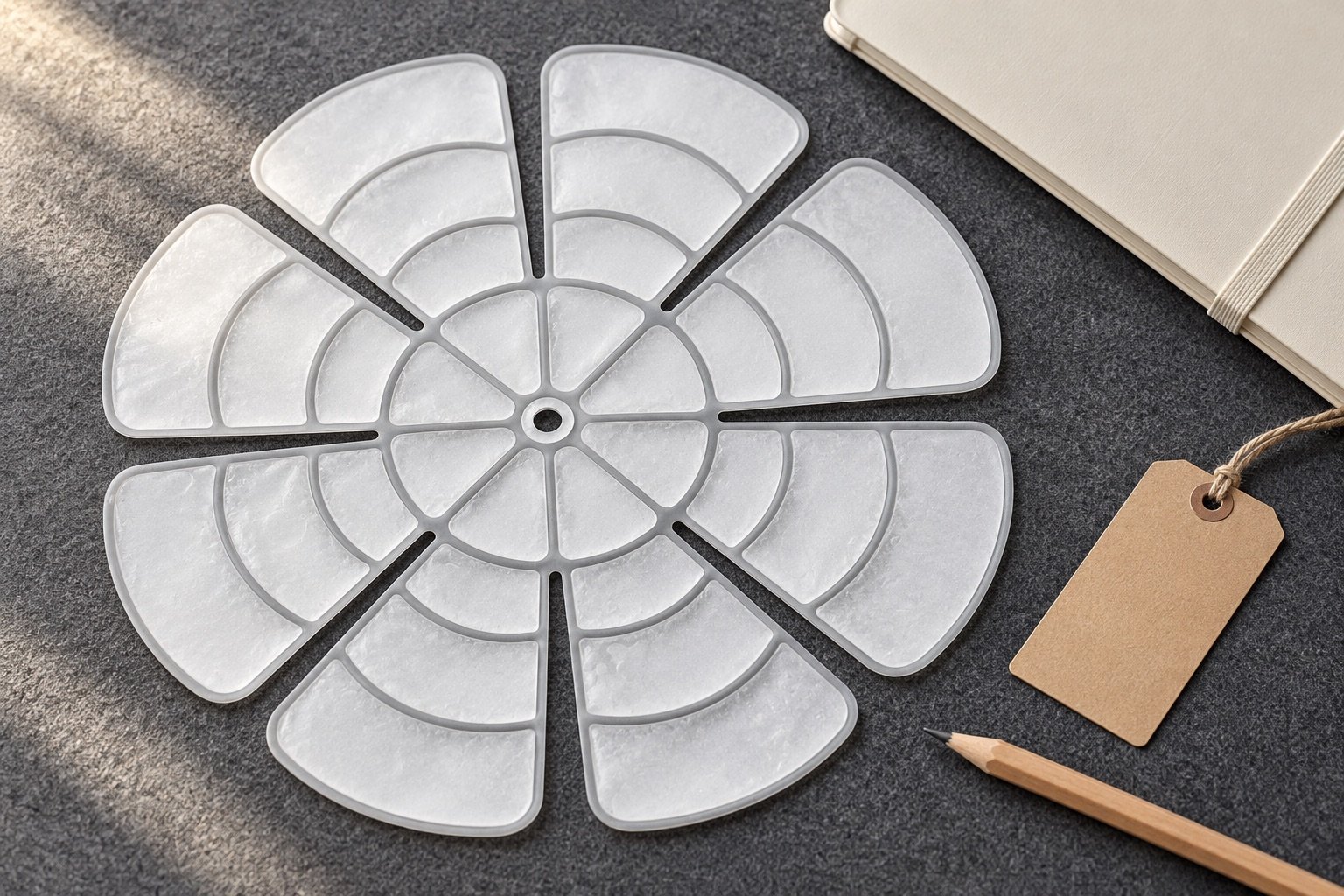
Images are AI-assisted editorial scenes based on catalog references. They are not factory photographs, audit evidence or inspection results.
